Menu

Water Softener & Filtration Systems in Buffalo – Protect Your Home from Lake Erie Hard Water Damage

Patriot Plumbing Buffalo installs residential water purification systems engineered for Western New York's mineral-heavy water supply, protecting your appliances, plumbing, and family from the corrosive effects of Lake Erie source water.

Slider Image 1
Slider Image 2
Slider Image 3
Slider Image 4
Slider Image 5
Slider Image 7
Slider Image 8
Slider Image 9
Slider Image 10
Slider Image 11

Buffalo's Hard Water Problem Destroys Plumbing and Appliances

Buffalo's municipal water comes primarily from Lake Erie, carrying dissolved calcium, magnesium, and iron through the treatment process. The result is hard water measuring 120-180 milligrams per liter, well above the threshold where damage begins. You see it in the white scale crusting around faucets, the film on glassware, and the reduced water pressure as mineral deposits narrow your pipes.

What you do not see is worse. Hard water reduces water heater efficiency by 20-30 percent as scale accumulates on heating elements. Your dishwasher and washing machine fail prematurely. Soap does not lather properly, forcing you to use more detergent. Showerheads clog. Fixtures corrode. In older Buffalo homes with galvanized or copper piping, hard water accelerates pinhole leaks and joint failures.

Whole house water treatment addresses the problem at the point of entry, before mineral-laden water reaches a single fixture. Water conditioning systems use ion exchange to replace calcium and magnesium with sodium, preventing scale formation throughout your plumbing system. Home water filtration systems remove sediment, chlorine, and dissolved solids that affect taste and odor.

The freeze-thaw cycles Buffalo experiences compound the issue. Water expands when it freezes. Pipes already weakened by mineral corrosion crack more easily during cold snaps. Hard water treatment systems protect your investment by eliminating the root cause of this cumulative damage.

Buffalo's Hard Water Problem Destroys Plumbing and Appliances
How Professional Water Conditioning Systems Work

How Professional Water Conditioning Systems Work

Residential water purification starts with accurate water testing. We collect samples and analyze total dissolved solids, hardness level, pH, iron content, and chlorine concentration. Buffalo water varies by neighborhood depending on proximity to treatment plants and pipe age. Homes near the waterfront often show different mineral profiles than properties in Elmwood Village or North Buffalo.

Based on test results, we size the system correctly. Undersized water softeners regenerate too frequently, wasting salt and water. Oversized units cost more upfront and do not cycle efficiently. We calculate grain capacity based on your household size, daily water usage, and measured hardness level.

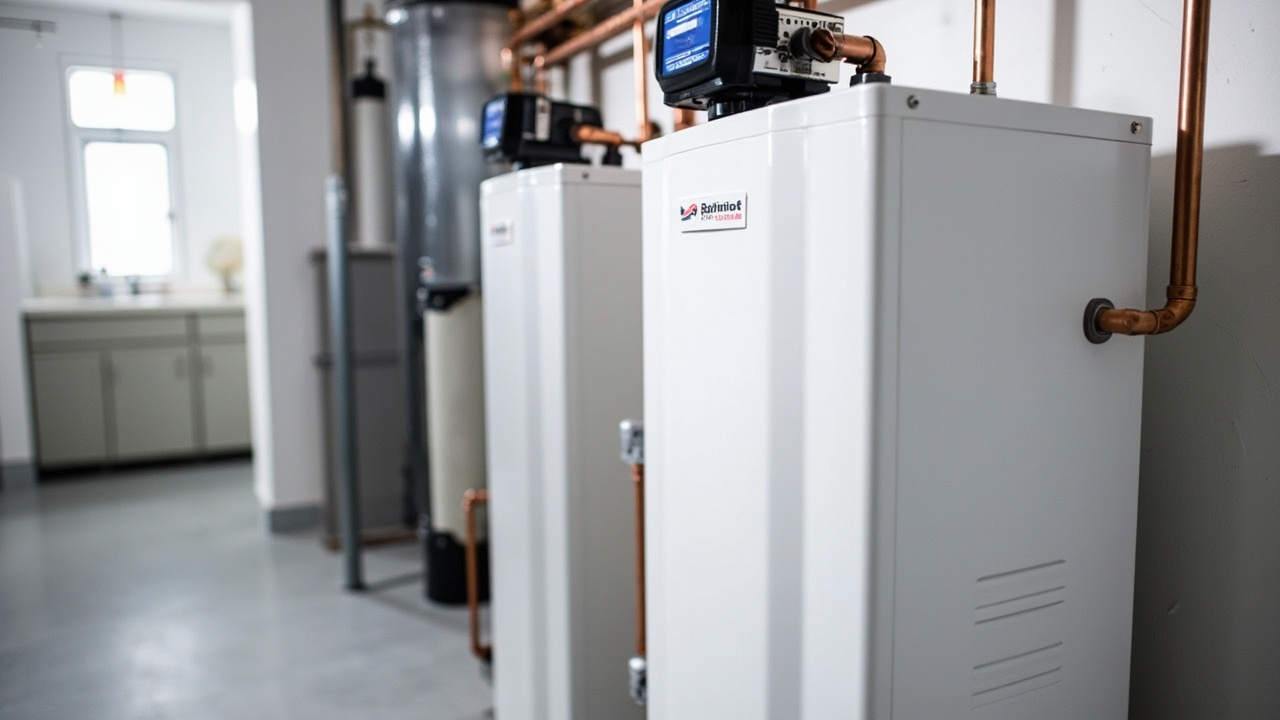
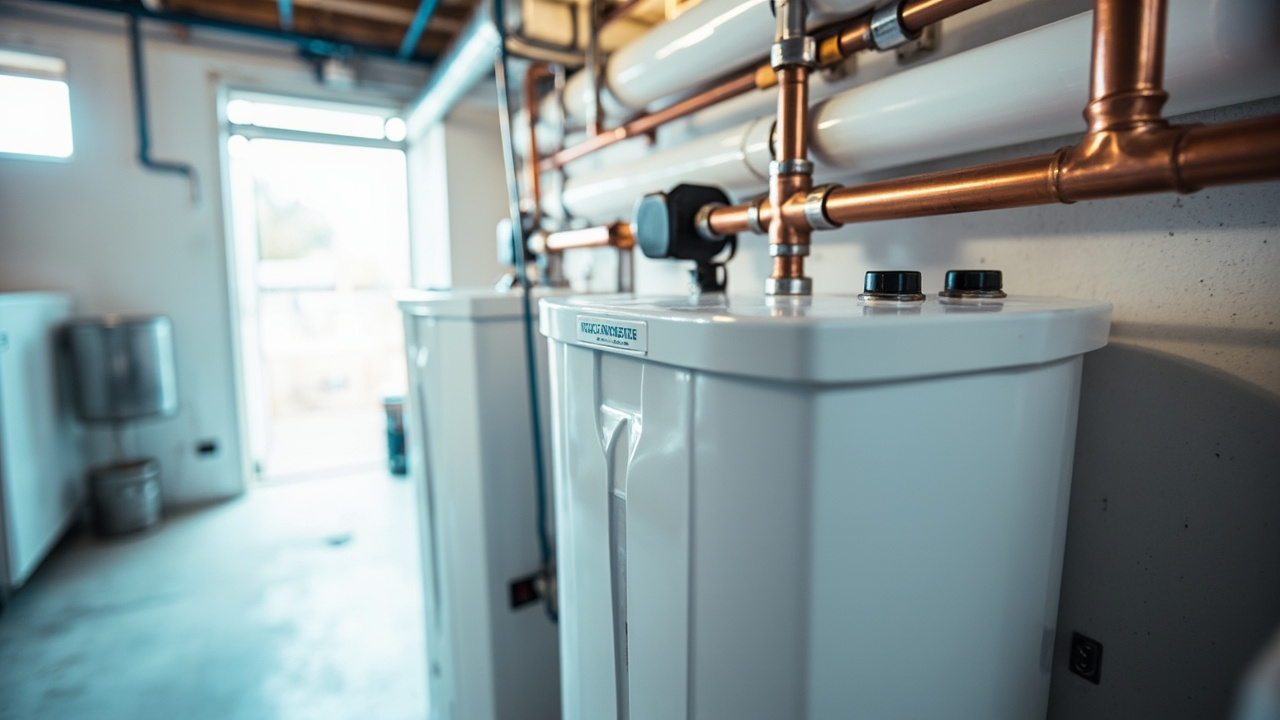
The ion exchange resin tank contains sodium-charged beads. As hard water flows through, calcium and magnesium ions swap places with sodium ions. The softened water exits to your distribution system. When the resin becomes saturated with hardness minerals, the control valve initiates a regeneration cycle, flushing the beads with brine solution and restoring the sodium charge.

For comprehensive treatment, we install multi-stage filtration. A sediment pre-filter captures particulates that would clog the softener. Carbon filters remove chlorine, volatile organic compounds, and taste-affecting contaminants. Iron filters address the rust staining common in Buffalo's older water mains. Each component targets specific water quality issues identified during testing.

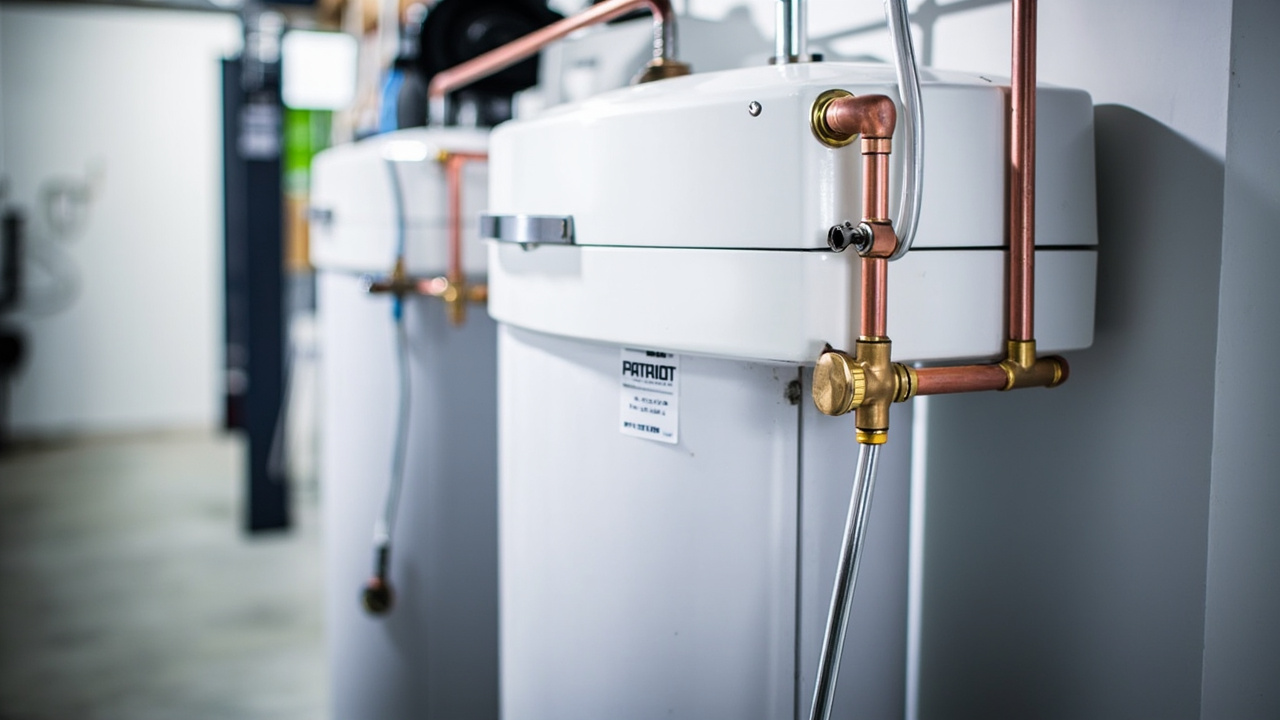
We install bypass valves for outdoor hose bibs. You do not need soft water for lawn irrigation. We install shutoff valves at strategic points for future maintenance. All connections meet New York State plumbing code requirements for backflow prevention and drain placement.

Our Water Treatment Installation Process

Water Softener & Filtration Systems in Buffalo – Protect Your Home from Lake Erie Hard Water Damage
01

Water Quality Testing

We test your water supply for hardness minerals, iron content, pH levels, and total dissolved solids. This lab analysis determines which water conditioning system design will solve your specific water quality problems. Buffalo's water chemistry varies by district, so we never use generic solutions. Testing takes 24-48 hours and forms the foundation for proper system sizing and component selection.
02

System Design and Sizing

Using test data and your household water consumption, we calculate the required grain capacity and flow rate for your home water filtration system. We specify resin tank size, control valve type, and regeneration schedule. For homes with multiple bathrooms or high simultaneous demand, we design systems that maintain pressure and volume during peak usage. The equipment specifications account for Buffalo's municipal water pressure and seasonal demand variations.
03

Installation and Calibration

We install the water treatment equipment at your main water line entry point, typically in the basement near the water meter. All plumbing connections use proper materials for your pipe type. We set the control valve parameters based on your water test results and program regeneration timing to minimize salt and water waste. Before we leave, you receive training on salt loading, system monitoring, and maintenance requirements for long-term performance.

Why Buffalo Homeowners Choose Patriot Plumbing Buffalo

Buffalo's building stock includes homes built between 1890 and 1960, many with original galvanized piping or early copper installations. These older plumbing systems react differently to water treatment than modern PEX or CPVC. We understand how to integrate whole house water treatment into historic homes without compromising existing plumbing or violating preservation district requirements.

We know the local water supply. The Buffalo Water treatment plant on Porter Avenue serves most of the city, but some outlying areas receive water from different sources. Water hardness levels vary from 7 grains per gallon near the treatment plant to over 15 grains in areas with older distribution mains. We account for these differences when sizing equipment.

Our technicians hold New York State plumbing licenses and complete manufacturer training on water conditioning systems. We install equipment that meets NSF/ANSI Standard 44 for water softeners and Standard 42 for filtration components. This matters for warranty coverage and insurance compliance.

We stock replacement parts locally. When a control valve fails or you need resin replacement, we do not order from a national warehouse and wait a week. We carry inventory for the systems we install, reducing downtime when service is needed.

Buffalo's water rates include sewer charges based on consumption. Properly programmed water softeners minimize waste during regeneration cycles, keeping your utility bills lower. We optimize regeneration timing based on actual usage patterns rather than arbitrary factory settings.

We provide written water test results, system specifications, and maintenance schedules. You know exactly what was installed, why those components were chosen, and what ongoing care the system requires.

What You Get with Professional Water Treatment Installation

Installation Timeline

Water testing takes 24-48 hours for lab analysis. Once results return and you approve the system design, we schedule installation within one week for most residential projects. The physical installation takes 4-6 hours depending on your home's plumbing configuration and whether we need to modify existing pipe routing. We shut off your water for 2-3 hours during connection work. You have fully functional soft water the same day. We do not leave job sites until the system completes a full regeneration cycle and water quality meets specifications.

Initial Assessment

The site visit includes inspection of your main water line entry point, available space for equipment installation, electrical outlet access for the control valve, and drainage options for regeneration discharge. We measure static and dynamic water pressure to ensure the system will not cause pressure drops. We review your water bill to estimate daily consumption. You receive a written proposal specifying equipment model numbers, grain capacity, filtration stages, and installation scope. We explain what each component does and why it was selected for your water chemistry.

System Performance

After installation, you notice immediate differences. Water spots disappear from glassware. Soap lathers easily. Showerheads maintain full flow. White scale stops forming on faucets. Your water heater operates more efficiently as scale stops accumulating on elements. Appliances like dishwashers and washing machines last longer. Laundry feels softer without fabric softener. Skin and hair improve because you are not bathing in mineral-heavy water. The taste and odor changes depend on which filtration components you selected, but chlorine smell disappears with activated carbon filtration.

Ongoing Maintenance

Water softeners require salt refills every 4-8 weeks depending on usage and hardness level. You add sodium chloride pellets to the brine tank when the level drops below one-quarter full. Sediment pre-filters need replacement every 3-6 months. Carbon filters last 6-12 months. We provide a maintenance schedule specific to your system and water conditions. Annual service visits include resin bed inspection, control valve testing, and system sanitization. Most homeowners handle salt loading themselves, but we offer service plans that include all maintenance and filter changes for fixed monthly fees.

Frequently Asked Questions

You Have Questions,
We Have Answers

Why Lake Erie Water Chemistry Demands Professional Treatment in Buffalo

Lake Erie serves as Buffalo's primary water source, and its shallow depth makes it susceptible to seasonal algae blooms that increase organic content and treatment chemical usage. The Buffalo Water treatment plant adds chlorine for disinfection and lime for pH adjustment, but dissolved calcium and magnesium pass through to the distribution system. Buffalo's water hardness averages 140 milligrams per liter, classified as very hard. Homes built before 1960 often have copper or galvanized piping that reacts with hard water differently than modern materials, accelerating corrosion and scale buildup. The combination of aggressive water chemistry and aging infrastructure creates unique challenges that whole house water treatment solves at the source.

New York State requires backflow prevention devices on water treatment equipment to protect municipal supply. Buffalo's plumbing inspectors enforce code compliance strictly, and improper installations risk fines or forced removal. Patriot Plumbing Buffalo holds current New York plumbing licenses and pulls permits when required for water conditioning system installations. We understand local code amendments that affect equipment placement, drainage requirements, and cross-connection control. Our familiarity with Buffalo's building departments, inspection procedures, and permit processes ensures your installation passes inspection the first time without delays or complications.
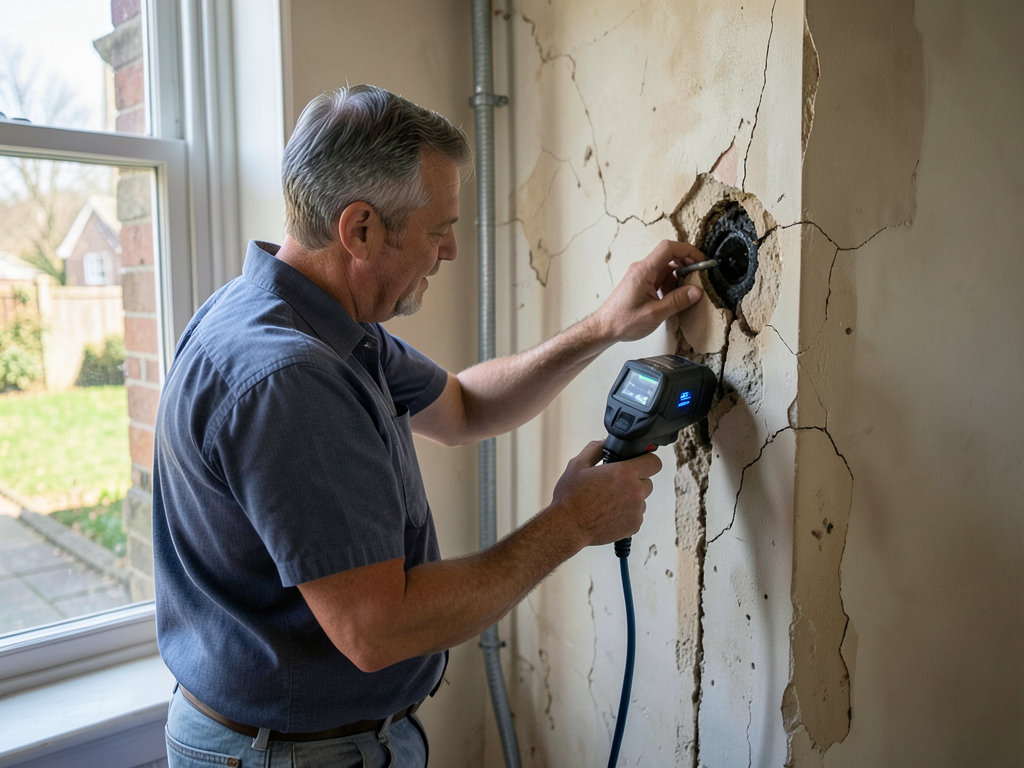
Plumbing Services in The Buffalo Area

We are proud to serve our community and invite you to explore our service area. Whether you need a quick repair or a major installation, our team is ready to assist you. Our commitment extends throughout the region, ensuring every home and business has access to top-tier plumbing services. We look forward to being your trusted local partner and demonstrating why we are the right choice for all your plumbing needs.

Address:
Patriot Plumbing Buffalo, 737 Delaware Ave, Buffalo, NY, 14209

Additional Services We Offer

Our news updates

Latest Articles & News from The Blogs

The Ultimate Plumbing Inspection Checklist for Parkside Home Buyers Buying a home in Parkside means investing in one of Buffalo’s…

The Ultimate Plumbing Inspection Checklist for Parkside Home Buyers

The Ultimate Plumbing Inspection Checklist for Parkside Home Buyers Buying a home in Parkside means investing in one of Buffalo’s…

How to Stop Your Depew Basement Floor Drain from Backing Up

How to Stop Your Depew Basement Floor Drain from Backing Up When sewage or water starts rising from your basement…

Maintaining the Historic Radiator and Boiler Systems in Buffalo University District Homes

Maintaining the Historic Radiator and Boiler Systems in Buffalo University District Homes \n\n The University District’s century-old radiator systems face…

Contact Us

Stop wasting money on appliance repairs and cleaning products that fight hard water. Call Patriot Plumbing Buffalo at (716) 317-6655 for water testing and a free consultation. We design water treatment solutions specific to Buffalo's water supply.