


Menu

Commercial Plumbing Contractors in Buffalo – Minimizing Downtime for Industrial Facilities

When your commercial operation depends on functioning plumbing systems, Patriot Plumbing Buffalo delivers fast response, code-compliant repairs, and industrial-scale solutions that keep your Buffalo facility operational.

Slider Image 1
Slider Image 2
Slider Image 3
Slider Image 4
Slider Image 5
Slider Image 7
Slider Image 8
Slider Image 9
Slider Image 10
Slider Image 11

Buffalo's Industrial Infrastructure Demands Specialized Commercial Plumbing

Buffalo's legacy as a manufacturing hub means many commercial buildings were built between 1900 and 1960, with aging cast iron drain lines, galvanized supply piping, and outdated grease trap systems that fail without warning. Lake-effect freeze-thaw cycles stress these older systems harder than most contractors anticipate. When a main sewer line collapses under your loading dock or a boiler feed line ruptures in January, you lose operational hours, risk employee safety, and face potential environmental violations.

Commercial plumbing contractors who understand Buffalo's unique building stock recognize the prevalence of clay tile sewer laterals in older facilities near the waterfront and the challenges posed by expansive clay soil in Cheektowaga and Tonawanda. These conditions accelerate pipe failure. Industrial plumbing contractors must also navigate New York State's strict backflow prevention requirements and Erie County's commercial water use regulations, which differ significantly from residential codes.

Most commercial plumbing companies lack the capacity to handle multi-floor office buildings, food processing plants, or medical facilities that require coordinated shutdowns and phased work schedules. Commercial plumbing services for Buffalo businesses must account for operational continuity. A failed grease interceptor at a Delaware Avenue restaurant during peak season is not the same problem as a residential kitchen drain. Commercial plumbing firms that treat them identically cost you revenue.

Buffalo's industrial zones along Route 5 and the former steel mill sites near the Buffalo River demand contractors who can work with heavy-duty piping systems, high-volume fixtures, and complex mechanical room layouts. You need commercial plumbers who understand pressure-reducing valves for high-rise buildings and can coordinate with mechanical engineers during tenant build-outs. Generic service calls do not solve these problems.

Buffalo's Industrial Infrastructure Demands Specialized Commercial Plumbing
How Patriot Plumbing Buffalo Handles Complex Commercial Systems

How Patriot Plumbing Buffalo Handles Complex Commercial Systems

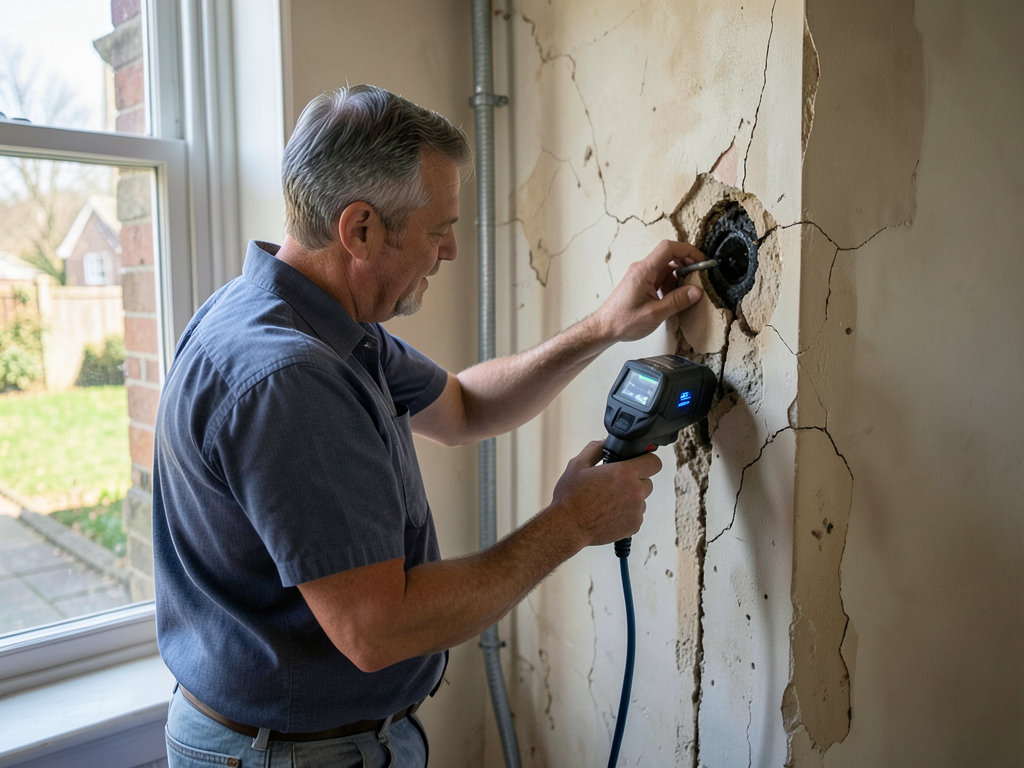
We begin every commercial project with a full system assessment using video camera inspection for drain lines and ultrasonic thickness testing for aging supply piping. This diagnostic phase identifies failure points before they become emergencies. For Buffalo's older buildings, we look specifically at the condition of vertical stacks, the integrity of roof drain connections, and the state of below-slab piping that may have been compromised by soil movement.

Our approach to commercial plumbing services prioritizes minimal disruption. We schedule work during off-peak hours, coordinate with your facility managers, and implement isolation protocols that allow partial building operations to continue. When we replace a main water line at a Buffalo office complex, we stage the work in phases so tenants retain access to restrooms and break rooms. For industrial facilities, we work with your production schedule to avoid costly line shutdowns.

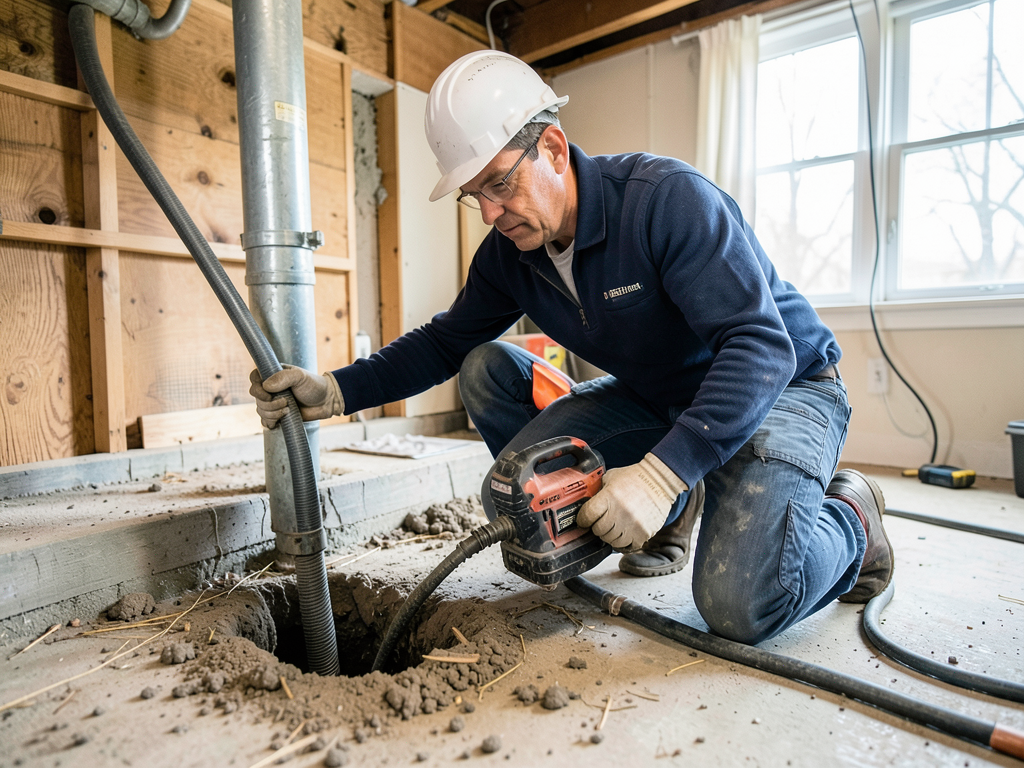
We use trenchless pipe bursting and CIPP lining for underground repairs, which reduces excavation time and limits surface disruption to parking lots and loading zones. For high-rise buildings downtown, we utilize sectional lining techniques that allow us to repair vertical stacks without removing drywall on every floor. This approach cuts project timelines by 40 to 60 percent compared to traditional replacement methods.

Our commercial plumbing contractors are trained in New York State's commercial plumbing codes, including backflow preventer testing, medical gas system installation, and grease interceptor sizing for food service operations. We also understand Buffalo's specific permitting requirements through the Division of Building Permits and the Erie County Department of Health for food service and medical facilities. Compliance is not optional. We document every installation with as-built drawings and testing certifications that satisfy inspectors on the first visit.

What Happens During Your Commercial Plumbing Project

Commercial Plumbing Contractors in Buffalo – Minimizing Downtime for Industrial Facilities
01

Site Assessment and Coordination

We conduct an on-site evaluation to map your existing plumbing infrastructure, identify code compliance gaps, and assess access points for repairs or replacements. This includes reviewing building plans, coordinating with your facility management team, and establishing work schedules that align with your operational requirements. For emergency repairs, we arrive with diagnostic equipment to pinpoint failures immediately and implement temporary measures to restore partial function while planning permanent solutions.
02

Phased Execution and Testing

We execute repairs or installations in clearly defined phases, isolating affected zones to maintain building functionality. All work includes pressure testing for supply lines, hydrostatic testing for drain systems, and backflow preventer certification. For multi-story buildings, we test each floor independently to identify issues before closing walls. Our teams use industrial-grade materials rated for commercial use, including Schedule 40 PVC for drainage, Type L copper for supply lines, and corrosion-resistant fittings for high-use applications.
03

Documentation and Compliance Verification

Every project concludes with full documentation, including as-built drawings, material certifications, and inspection reports. We coordinate final inspections with the City of Buffalo Department of Permit and Inspection Services, ensuring all work meets NYS Uniform Code and local amendments. You receive a complete project file that satisfies insurance requirements and provides a reference for future maintenance. For ongoing service contracts, we establish preventive maintenance schedules to address potential issues before they disrupt operations.

Why Buffalo Businesses Choose Patriot Plumbing Buffalo

Buffalo's commercial buildings present challenges that require local knowledge. We understand that buildings in the Elmwood Village have different plumbing configurations than facilities in the Buffalo Niagara Medical Campus. We know which buildings have combined sewer systems that are subject to CSO overflow restrictions during heavy spring runoff. We also know that many Buffalo industrial facilities still operate with steam heating systems that require specialized condensate return line maintenance.

Our commercial plumbers have worked in Buffalo's historic structures, including buildings listed on the National Register that require preservation-compliant repairs. We have also handled new construction projects in the Canalside development and the KeyBank Center district, where modern plumbing systems must integrate with existing municipal infrastructure. This range of experience means we adapt our approach to your specific building type and operational requirements.

We maintain relationships with local suppliers, which allows us to source specialty parts quickly when a unique component fails. For older buildings with obsolete fixtures, we fabricate custom adapters or source period-appropriate replacements that maintain historical integrity while meeting current codes. This capability prevents project delays that occur when contractors must wait for special orders.

Our response time matters when a failure threatens your business. We dispatch crews to Buffalo commercial sites within two hours for emergencies and provide same-day service for urgent repairs. For planned projects, we provide detailed project timelines with milestone dates, allowing you to coordinate with tenants, schedule inspections, and plan around your business cycles. We do not extend timelines or add surprise costs. Our estimates include labor, materials, permit fees, and contingency allowances for unexpected conditions in older buildings.

Patriot Plumbing Buffalo focuses exclusively on the Western New York market, which means we prioritize local clients and maintain capacity for emergency response. We are not juggling projects across multiple states. When you call, you reach our Buffalo dispatch team, not a national call center.

What to Expect When You Work with Us

Rapid Response and Scheduling Flexibility

Commercial emergencies receive priority dispatch. We arrive on-site within two hours for critical failures and provide same-day service for urgent repairs. For planned projects, we work around your operational schedule, including nights and weekends if needed. You receive a dedicated project manager who coordinates directly with your facilities team and provides daily progress updates. We also offer 24/7 emergency hotline access for clients with ongoing service contracts, ensuring you have support whenever a failure occurs.

Comprehensive System Diagnostics

Our initial assessment uses video inspection for drain lines, thermal imaging for concealed leaks, and flow testing for supply systems. We identify code violations, capacity limitations, and deferred maintenance issues that could cause future failures. You receive a written report with findings, recommended repairs ranked by priority, and cost estimates for each item. This allows you to budget for necessary work and plan projects in phases if needed. For older buildings, we also assess the remaining service life of piping systems to help you plan capital improvements.

Code-Compliant, Warrantied Work

All installations and repairs meet New York State Uniform Code and Buffalo-specific amendments. We pull permits, coordinate inspections, and provide certification documentation that satisfies insurance and regulatory requirements. Our work includes material warranties from manufacturers and labor warranties that protect you against defects. For commercial clients, we also offer extended service agreements that include annual inspections, priority emergency response, and discounted rates on repairs. These agreements reduce long-term maintenance costs and extend the service life of your plumbing infrastructure.

Preventive Maintenance Programs

We design custom maintenance schedules based on your facility type and usage patterns. This includes quarterly drain line cleaning for food service operations, annual backflow preventer testing for medical facilities, and biannual inspections for multi-tenant office buildings. Preventive maintenance catches minor issues before they escalate into expensive emergency repairs or operational shutdowns. Our clients with active maintenance contracts experience 60 to 70 percent fewer emergency service calls compared to reactive-only approaches. We track maintenance history and system performance over time, allowing us to recommend upgrades or replacements before failures occur.

Frequently Asked Questions

You Have Questions,
We Have Answers

What type of plumber makes the most money? +

Commercial plumbers typically earn the highest wages in the plumbing industry. Large-scale projects like hospitals, manufacturing facilities, and high-rises require advanced knowledge of complex systems, backflow prevention, and code compliance. Master plumbers who specialize in industrial work or hold pipefitting certifications also command top rates. In Buffalo, commercial plumbers working on downtown development projects or Niagara Falls casino expansions often earn significantly more than residential counterparts. Specializations in medical gas systems, process piping, or emergency service contracts boost earning potential. Union commercial plumbers in Western New York frequently see six-figure incomes through overtime and prevailing wage projects.

What is a commercial plumber called? +

A commercial plumber is still called a plumber, though titles vary by specialization and licensure level. You may see titles like journeyman plumber, master plumber, or pipefitter depending on the work scope. Commercial plumbers handle non-residential systems in office buildings, warehouses, restaurants, and industrial facilities. In Buffalo, commercial plumbers must meet New York State licensing requirements and often hold additional certifications for backflow testing or medical gas installation. The term remains consistent, but the work differs drastically from residential service. Commercial projects involve larger pipe sizes, complex drainage systems, and strict adherence to commercial building codes specific to Erie County.

How to avoid getting ripped off by a plumber? +

Verify licensing and insurance before signing any contract. In New York, plumbers must hold valid state licenses. Get multiple written estimates that itemize labor, materials, and permits. Ask for references from other Buffalo business owners who have used the contractor. Avoid contractors who demand large upfront payments or push unnecessary upgrades. Confirm they pull proper permits with the City of Buffalo Building Department. Check reviews and complaints through the Better Business Bureau. Request detailed invoices and warranties in writing. For commercial work, ensure they carry adequate liability coverage for your facility type. Transparency in pricing and scope prevents disputes later.

How to get commercial plumbing leads? +

Build relationships with commercial property managers, general contractors, and facility directors in Buffalo. Join local business organizations like the Buffalo Niagara Partnership or attend Chamber of Commerce events. Maintain profiles on contractor referral platforms and bid sites like BuildingConnected. Network with mechanical engineers and architects working on Buffalo development projects. Invest in local SEO to rank for Buffalo commercial plumbing searches. Offer maintenance contracts to existing clients for recurring revenue. Partner with emergency restoration companies for water damage jobs. Advertise in trade publications read by property managers. Cold call office complexes and industrial parks along the I-90 corridor. Referrals from satisfied commercial clients remain the strongest lead source.

Can a plumber make $100,000 a year? +

Yes. Experienced commercial plumbers in Buffalo regularly exceed $100,000 annually, especially those holding master licenses or working union jobs. Commercial projects pay higher rates than residential work due to complexity and liability. Plumbers who specialize in industrial systems, emergency services, or hold multiple certifications command premium pricing. In Western New York, prevailing wage projects and overtime during Buffalo's harsh winters push earnings higher. Business owners who manage teams and secure commercial contracts often earn well beyond six figures. The key factors include specialization, licensure level, business ownership, and willingness to work demanding schedules. Commercial plumbers serving downtown Buffalo or Niagara Falls hospitality sectors see strong earning potential.

What is the richest plumber? +

This question refers to individual wealth rather than industry standards. Some plumbing business owners have built multimillion-dollar companies through commercial contracts and franchise expansion. No single plumber holds a verified title of richest. In Buffalo, successful commercial plumbing contractors who secure municipal contracts, hospital work, or industrial clients build substantial wealth over time. The focus should be on sustainable business growth rather than individual rankings. Commercial plumbers who diversify into mechanical contracting, fire protection, or HVAC services expand revenue streams. Building a reputation for reliable service on complex Buffalo projects creates long-term financial success. Wealth comes from business acumen, not just technical skill.

What are the three levels of plumbers? +

The three levels are apprentice, journeyman, and master plumber. Apprentices work under supervision while completing classroom hours and on-the-job training. Journeyman plumbers hold licenses to work independently after passing state exams and meeting experience requirements. Master plumbers have additional years of experience, pass advanced exams, and can pull permits, supervise others, and run plumbing businesses. In New York, these distinctions carry legal weight. Buffalo commercial projects often require master plumbers for plan reviews and final inspections. Each level requires documented training hours and testing through New York State Department of Labor. Advancement takes years of hands-on experience and continued education.

What is a million dollar plumber? +

This marketing term describes plumbers who build seven-figure businesses through premium pricing, exceptional service, and strong branding. It does not refer to annual salary but business revenue. The concept emphasizes customer experience, flat-rate pricing, and professional presentation over traditional hourly billing. In Buffalo's competitive commercial market, this approach means investing in training, modern equipment, and responsive service. Commercial plumbers who adopt this model focus on solving business problems quickly and minimizing downtime rather than competing solely on price. It requires strong systems, reliable technicians, and a reputation for quality work. The term reflects business philosophy rather than a certification or specific credential.

What is a slang name for a plumber? +

Common slang terms include pipefitter, steamfitter, or wrench monkey, though these vary by region and trade specialization. In Buffalo construction circles, you might hear commercial plumbers called pipe trades or mechanical contractors. Pipefitter typically refers to those working with industrial piping systems rather than drainage. Steamfitter handles high-pressure steam and HVAC piping. These distinctions matter in union environments and large commercial projects. Most professionals prefer the straightforward title of plumber or their specific license designation like master plumber. In Western New York, commercial plumbers working industrial sites along the Buffalo River might be called pipefitters, but the work overlaps significantly.

What is the 135 rule for plumbing? +

This refers to a code requirement where vertical drain pipes over 135 feet must include offsets or relief vents to manage pressure changes and prevent siphoning. The rule applies to high-rise buildings in downtown Buffalo where vertical stacks span multiple stories. Engineers must design these systems to prevent fixture trap seal loss and maintain proper drainage. In commercial buildings, this impacts mechanical room placement and routing of waste stacks. Buffalo's tall commercial structures along Delaware Avenue or Seneca Street require careful attention to this code provision. Proper venting prevents negative pressure that could pull water from fixture traps and allow sewer gases into occupied spaces.

Buffalo's Aging Commercial Building Stock and Commercial Plumbing Challenges

Buffalo's commercial districts contain a high concentration of buildings constructed before 1970, when plumbing codes allowed materials and practices that are now obsolete. Cast iron drain stacks corrode from the inside out, creating slow drains and backups that escalate into complete blockages. Galvanized steel supply lines narrow over time due to mineral buildup from Lake Erie's moderately hard water, reducing pressure and flow rates. Many buildings along Main Street and in the Theater District still operate with original plumbing systems that have exceeded their expected service life by decades. Lake-effect precipitation and seasonal freeze-thaw cycles accelerate corrosion and joint failures in these aging systems.

Commercial plumbing companies serving Buffalo must understand the city's specific permitting process through the Division of Building Permits and the inspection requirements that differ from surrounding counties. Contractors working on food service facilities also navigate Erie County Health Department regulations for grease interceptors and backflow prevention. Patriot Plumbing Buffalo maintains established relationships with local inspectors and understands the documentation standards required for permit approval. This local expertise prevents project delays and ensures compliance on the first inspection. Choosing contractors familiar with Buffalo's regulatory environment reduces risk and keeps projects on schedule.
Plumbing Services in The Buffalo Area

We are proud to serve our community and invite you to explore our service area. Whether you need a quick repair or a major installation, our team is ready to assist you. Our commitment extends throughout the region, ensuring every home and business has access to top-tier plumbing services. We look forward to being your trusted local partner and demonstrating why we are the right choice for all your plumbing needs.

Address:
Patriot Plumbing Buffalo, 737 Delaware Ave, Buffalo, NY, 14209

Additional Services We Offer

Our news updates

Latest Articles & News from The Blogs

The Ultimate Plumbing Inspection Checklist for Parkside Home Buyers Buying a home in Parkside means investing in one of Buffalo’s…

The Ultimate Plumbing Inspection Checklist for Parkside Home Buyers

The Ultimate Plumbing Inspection Checklist for Parkside Home Buyers Buying a home in Parkside means investing in one of Buffalo’s…

How to Stop Your Depew Basement Floor Drain from Backing Up

How to Stop Your Depew Basement Floor Drain from Backing Up When sewage or water starts rising from your basement…

Maintaining the Historic Radiator and Boiler Systems in Buffalo University District Homes

Maintaining the Historic Radiator and Boiler Systems in Buffalo University District Homes \n\n The University District’s century-old radiator systems face…

Contact Us

Do not wait for a plumbing failure to disrupt your business. Call Patriot Plumbing Buffalo at (716) 317-6655 for emergency repairs or to schedule a facility assessment. We respond fast and work efficiently to minimize downtime.