Menu

How to Shut Off Main Water Valve in Buffalo – Fast Emergency Instructions When Every Second Counts

Step-by-Step Guide to Turning Off House Water Main During Plumbing Emergencies in Buffalo Homes, Including Valve Location Tips and Freeze Prevention Strategies

Slider Image 1
Slider Image 2
Slider Image 3
Slider Image 4
Slider Image 5
Slider Image 7
Slider Image 8
Slider Image 9
Slider Image 10
Slider Image 11

Why Every Buffalo Homeowner Needs to Know Their Main Water Shut Off Location

Buffalo's freeze-thaw cycles create unique plumbing vulnerabilities that can turn a small leak into a catastrophic flood in minutes. When a pipe bursts at 2 AM during a January cold snap, knowing how to turn off main water supply is the difference between minor water damage and destroyed drywall, ruined flooring, and thousands in repairs.

Most Buffalo homes built before 1980 have main shut off valves in basement mechanical rooms, often near the water meter or where the supply line enters through the foundation. In newer construction, you might find the valve in a utility closet or crawl space. The problem? Many homeowners have never located their valve, tested it, or verified it actually works.

Buffalo's aging housing stock compounds this issue. Corrosion from mineral-heavy Lake Erie water can freeze gate valves in the open position. The original brass or iron valves in older Buffalo neighborhoods like Allentown or Elmwood Village may not have been turned in decades. When you need to close main water shut off valve during an emergency, a seized valve leaves you helpless while water pours into your home.

The water supply to home in Buffalo typically enters through the foundation wall closest to the street. In homes with basements, follow the main supply line from your water meter toward the foundation. The shut off valve sits on this line, usually within three feet of where the pipe penetrates the wall. Knowing how to turn off water to the whole house before disaster strikes is basic home maintenance every Buffalo resident should master.

Why Every Buffalo Homeowner Needs to Know Their Main Water Shut Off Location
The Correct Method to Shut Off Water Supply to Home

The Correct Method to Shut Off Water Supply to Home

Turning off house water main requires understanding the type of valve your home uses. Buffalo homes typically have one of three valve types: gate valves, ball valves, or angle stops. Each operates differently, and using the wrong technique can damage the valve or fail to stop water flow.

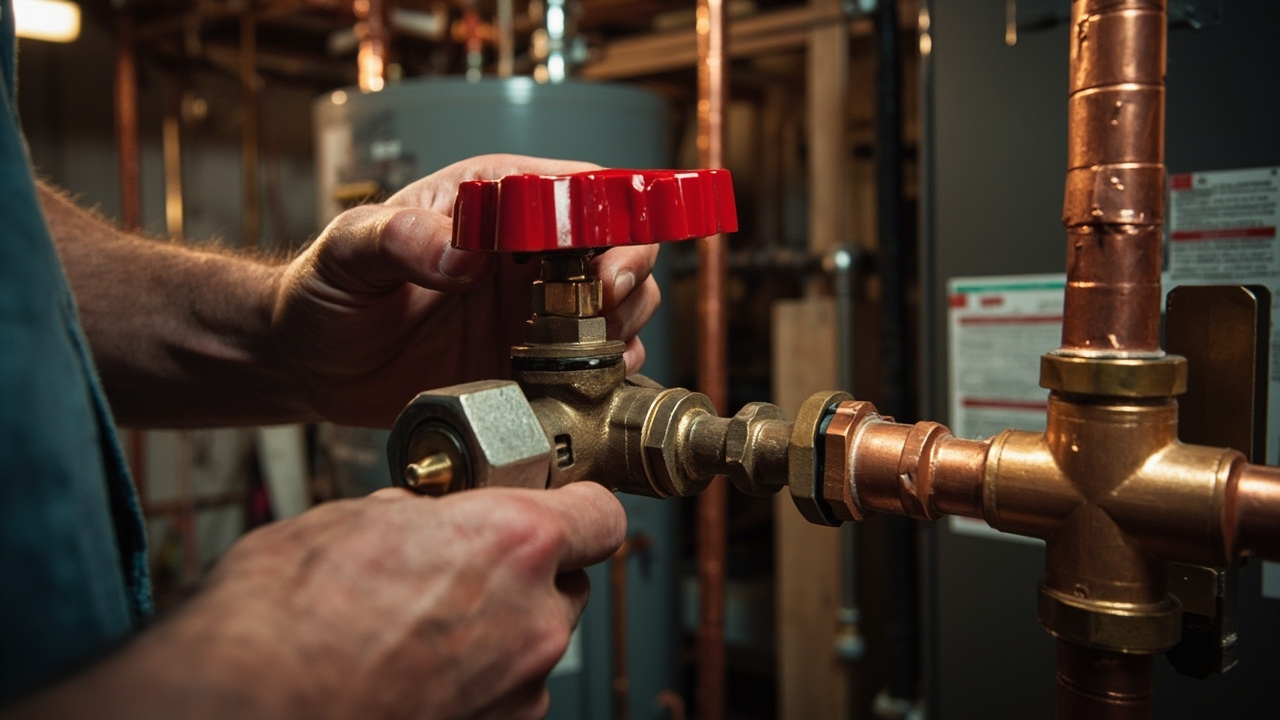
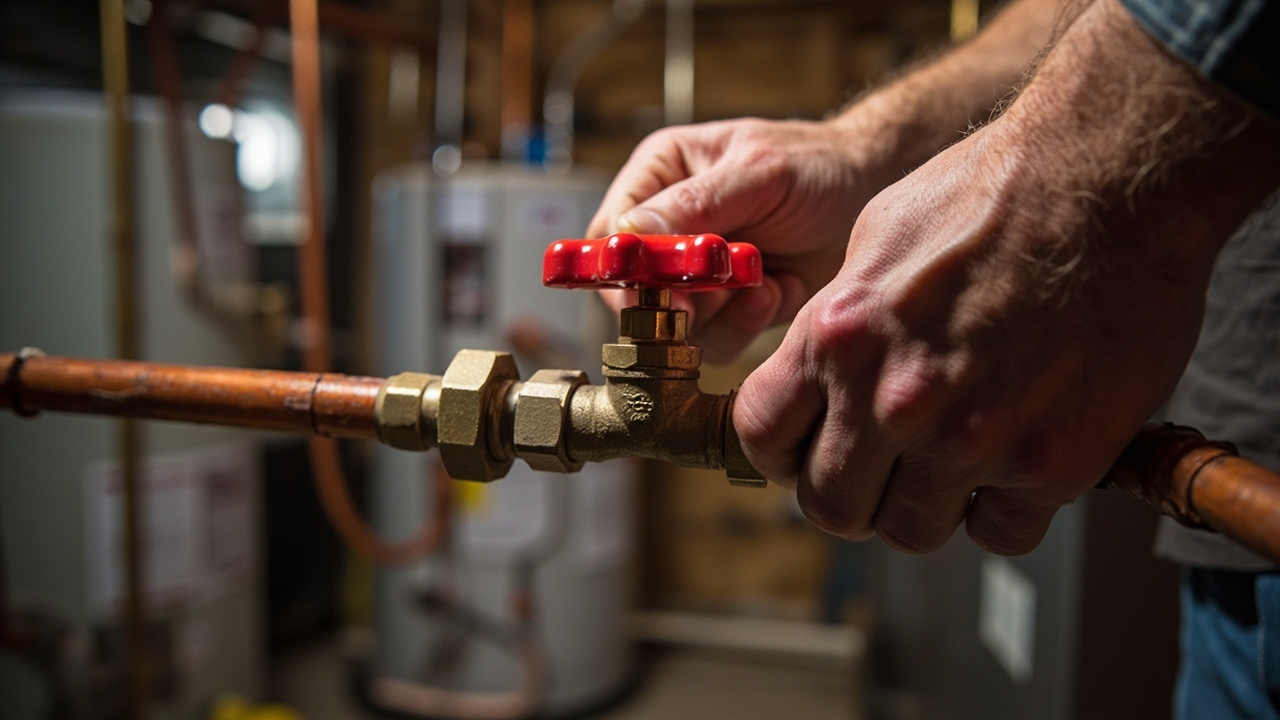
Gate valves are the most common in older Buffalo homes. These have a round wheel handle that turns clockwise to close. The valve contains an internal gate that lowers into the water path. Turn the wheel slowly and count the rotations. Most gate valves require 3-5 full turns to close completely. Never force the handle. If it resists, the valve may be corroded and forcing it can break the stem, leaving you with no shut off capability and potentially making the situation worse.

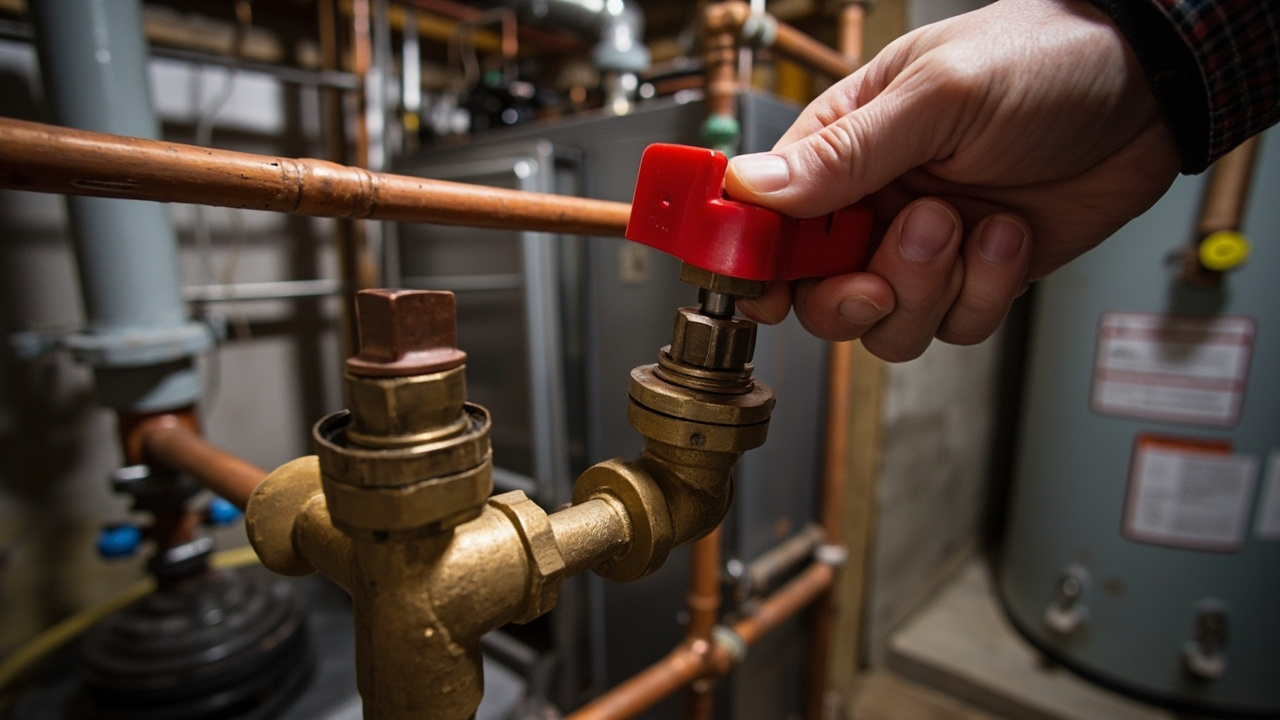
Ball valves are standard in homes built after 1990. These have a lever handle that turns 90 degrees from open to closed. When the lever aligns with the pipe, the valve is open. When perpendicular to the pipe, it's closed. Ball valves close faster than gate valves and are less prone to corrosion, making them more reliable during Buffalo's harsh winters.

After you close the valve, open the lowest faucet in your home to drain pressure and remaining water from the lines. In Buffalo's cold climate, this step prevents freeze damage to the trapped water in your pipes. Open the highest faucet in your home as well to allow air into the system and facilitate complete drainage.

Test your main shut off valve twice a year. Turn it clockwise until it stops, then reopen it. This exercise prevents mineral buildup and corrosion from locking the valve in place. Mark the valve location with reflective tape so family members can find it quickly during emergencies.

What Happens When You Need to Turn Off Main Water Supply

How to Shut Off Main Water Valve in Buffalo – Fast Emergency Instructions When Every Second Counts
01

Locate Your Valve

Start at your water meter, typically located in the basement near the front wall facing the street. The main shut off valve sits on the house side of the meter, where the supply line continues into your plumbing system. In Buffalo homes without basements, check the crawl space or utility room. The valve is usually a gate valve with a wheel handle or a ball valve with a lever. Clear any stored items blocking access now, before an emergency happens.
02

Close the Valve

Turn a gate valve clockwise slowly and steadily. Count the full rotations so you know how many turns to reopen it later. For ball valves, rotate the lever 90 degrees until it's perpendicular to the pipe. The handle should move smoothly without excessive force. If the valve won't budge, don't force it. A stuck valve needs professional attention before you face an emergency situation where it must work.
03

Verify Complete Shutoff

After closing the main valve, open a faucet on the lowest floor to drain residual pressure. Water should flow briefly then stop completely. If water continues flowing for more than 30 seconds, the valve isn't fully closed or has failed internally. This is common in older gate valves where the internal rubber seal has deteriorated. A faulty main shutoff valve requires immediate replacement by a licensed plumber.

Why Buffalo Plumbers Recommend Annual Main Valve Inspection

Patriot Plumbing Buffalo responds to emergency calls throughout Erie County where homeowners discover their main shut off valve doesn't work only after a pipe has burst. The valve wheel breaks off in their hand, or turns freely without closing the internal gate. These failures happen because the valve hasn't been tested or maintained.

Buffalo's water chemistry accelerates valve deterioration. Lake Erie water contains dissolved minerals that deposit inside valve bodies over time. Combined with the expansion and contraction from our temperature extremes, these deposits can cement gate valves in the open position. We've excavated and replaced main shut off valves in homes throughout North Buffalo, Kenmore, and Tonawanda where corrosion made the original valve inoperable.

The building codes that govern Buffalo plumbing installations require accessible shut off valves, but they don't mandate testing schedules. We recommend operating your main valve twice annually, ideally in spring and fall. This simple maintenance prevents the corrosion buildup that causes valve failure. If the valve handle resists turning or requires excessive force, call a plumber before you damage it.

Buffalo's freeze risk makes a functional main shut off valve particularly critical. When temperatures drop below 20 degrees, exposed pipes in unheated spaces can freeze and burst in hours. Knowing you can quickly shut off water supply to home prevents extensive damage while you wait for emergency repairs. We've seen single pipe bursts cause over $15,000 in damage when homeowners couldn't stop the water flow.

Beyond emergency preparedness, there are practical reasons to shut off your main valve. Extended vacations, major plumbing repairs, and water heater replacement all require turning off house water main. Understanding the process and confirming your valve works gives you control over your home's plumbing system and can prevent catastrophic water damage.

What You Should Know About Your Main Water Valve

Valve Age and Reliability

Gate valves installed before 1980 have a higher failure rate than modern ball valves. The internal rubber washers deteriorate over time, preventing complete closure. If your Buffalo home has the original plumbing, consider upgrading to a ball valve during your next major plumbing service. Ball valves close faster, seal more reliably, and resist corrosion better than gate valves. The upgrade typically takes a licensed plumber less than two hours and can be completed without excavating your yard. This preventive measure ensures you can stop water flow during emergencies when older valves might fail.

Curb Box Location

Buffalo Water Authority maintains a curb stop valve in your front yard, typically between the sidewalk and street. This valve requires a special key to operate and serves as a secondary shutoff if your interior main valve fails. The curb box is usually marked by a small metal cover flush with the ground. In older Buffalo neighborhoods, these covers can be buried under decades of lawn growth. Locate your curb box now and mark it clearly. During emergencies, Buffalo Water can shut off your service at this point if your main valve doesn't work, but response time depends on their availability.

Winterization Requirements

If you close main water shut off valve for extended periods during Buffalo winters, you must drain your plumbing system to prevent freeze damage. After shutting the main valve, open all faucets to drain supply lines. Flush toilets to empty tanks. Pour RV antifreeze into drain traps to prevent the water in P-traps from freezing and cracking. Turn off your water heater and drain it completely. Without these steps, trapped water will freeze, expand, and crack pipes and fixtures. We see this damage frequently in vacant Buffalo properties where owners shut the water but failed to properly winterize the system.

Professional Valve Replacement

Replacing a main shut off valve requires shutting off water at the curb box, cutting the supply line, and installing the new valve with proper pipe connections. This is not a DIY project. The work must meet Buffalo building codes and requires coordination with Buffalo Water Authority for the curb shutoff. A licensed plumber will obtain necessary permits, complete the installation, and restore your water service the same day in most cases. We install freeze-resistant ball valves as standard practice, positioning them where they're accessible but protected from Buffalo's temperature extremes.

Frequently Asked Questions

You Have Questions,
We Have Answers

How do I turn off the main water valve in my house? +

Locate your main water valve, usually found near the water meter in the basement or crawl space. For gate valves, turn the wheel clockwise until it stops completely. For ball valves, rotate the lever a quarter turn until it sits perpendicular to the pipe. Turn slowly to avoid damaging the valve or creating a pressure surge. In Buffalo homes, valves often corrode due to our freeze-thaw cycles and high humidity, so apply gentle force if stuck. After shutting off, open a faucet on the lowest floor to drain remaining pressure from your lines.

Where is my main water shut off valve? +

Your main water shut-off valve sits where the municipal water line enters your home. In Buffalo residences, check the basement near the front foundation wall, typically within five feet of your water meter. Look low, often 12 to 18 inches above the floor. Older Buffalo homes may have valves in crawl spaces or utility rooms. Multi-family buildings sometimes place shut-offs near the street in a valve box. If you cannot locate yours, trace the main supply line from your meter toward the street. Cold weather in Buffalo means these valves often sit in unheated spaces.

What does the main water shut off valve look like? +

Main water valves come in two types. Gate valves have a round wheel handle that requires multiple clockwise turns to close fully. They look like outdoor faucet handles. Ball valves feature a straight lever handle that turns 90 degrees to shut off water flow. When the lever aligns with the pipe, water flows. Perpendicular means closed. Both connect to a pipe roughly one inch in diameter. In Buffalo, older homes typically have brass or galvanized gate valves, while newer construction uses quarter-turn ball valves with red or blue handles for easier operation.

Is it safe to turn off the main water valve? +

Yes, turning off your main water valve is safe and sometimes necessary during plumbing emergencies. You will not damage your plumbing system by shutting it off. Turn the valve slowly to prevent water hammer, a pressure spike that can stress pipes and fixtures. If you plan to leave it off for extended periods during Buffalo winters, drain your pipes to prevent freezing. Older corroded valves may leak slightly after reopening, which signals replacement time. Operate your valve twice yearly to prevent it from seizing. A stuck valve poses more risk than turning it off.

Can I turn off my own water main? +

Yes, homeowners can turn off their main water valve. You own the shut-off inside your property line. The valve between the curb and street belongs to Buffalo Water. Your responsibility includes the valve inside your foundation. No special license or training is required to operate your shut-off. During pipe bursts or fixture leaks, shutting your main valve immediately prevents water damage. Keep a wrench or valve key accessible for emergencies. If your valve will not turn or breaks when you try, call a licensed plumber. Do not force a stuck valve or you risk breaking it off entirely.

How long does it take for water to stop after turning off the main valve? +

Water stops flowing within seconds after closing the main valve, but residual water in your pipes takes longer to drain. Expect faucets to run for 30 to 90 seconds as pressure releases. Opening faucets on your lowest floor speeds drainage. In Buffalo two-story homes, upper fixtures may drip for several minutes as gravity pulls water down. Hot water heaters retain gallons of water even after shut-off. Toilets hold water in tanks and bowls. If water continues flowing after two minutes, your valve may not be fully closed or could be damaged and failing.

Do all houses have a main water shut-off valve? +

All homes connected to municipal water in Buffalo have a main shut-off valve where the service line enters the building. Code requires it. Older homes built before 1950 occasionally have valves buried in difficult locations or deteriorated beyond recognition. Homes on well systems have shut-offs near pressure tanks instead of water meters. If you cannot find your main valve, check with Buffalo Water or hire a plumber to locate it. Some Buffalo multi-family properties have individual unit shut-offs plus a building master valve. Never assume you lack a shut-off. It exists somewhere on your supply line.

How to turn off water main without a tool? +

Ball valves require no tools. Grip the lever and turn by hand. Gate valves with wheel handles also turn by hand, though corroded valves may resist. For stuck wheels, wrap a towel around the handle for better grip. If the valve will not budge, do not force it. You risk snapping the stem and flooding your home. Some older Buffalo homes have valves with removable handles requiring a square key or crescent wrench to turn the stem directly. Keep a basic wrench near your valve. If hand pressure fails, call a plumber before you break the valve.

Should I call a plumber to shut-off water? +

You do not need a plumber to shut off water during emergencies. Do it immediately yourself to prevent damage. However, call a plumber if your valve refuses to turn, leaks when operated, or breaks during use. If you lack physical strength to turn a corroded gate valve or cannot locate your shut-off, professional help makes sense. Plumbers can also replace failing valves before they fail completely. In Buffalo, older valves corrode faster due to moisture and temperature swings. Preventive valve replacement costs less than emergency repairs after a valve fails during a crisis. Test yours twice yearly.

How to tell if the main water valve is on? +

For ball valves, check the lever position. Parallel to the pipe means open. Perpendicular means closed. Gate valves require more interpretation. Turn the wheel counterclockwise. If it turns easily, the valve was not fully open. If it stops immediately, the valve is open. You can also turn on a faucet. No water means the valve is closed. Weak flow suggests a partially closed valve. In Buffalo basements, corrosion sometimes makes position unclear. Mark your valve with tape indicating open and closed positions after confirming operation. This helps during emergencies when you need fast answers.

Why Buffalo's Freeze-Thaw Cycles Make Main Valve Knowledge Critical

Buffalo experiences an average of 45 days below freezing between December and February, with temperatures frequently dropping below zero during lake-effect weather systems. This extreme cold causes ground heaving that can stress underground supply lines entering your foundation. When these lines crack or separate at joints, water flows into your basement at rates exceeding 10 gallons per minute. Without immediate access to shut off water supply to home, a cracked supply line can release hundreds of gallons before a plumber arrives. The most vulnerable homes are in older neighborhoods like Riverside, Black Rock, and Kaisertown, where supply lines were installed 60-80 years ago and have reached the end of their service life.

Patriot Plumbing Buffalo has served Erie County homeowners for years, responding to plumbing emergencies throughout the region. We understand the specific challenges Buffalo's climate creates for residential plumbing systems. Our technicians carry specialized tools to operate corroded or stuck shut off valves and can replace failed valves during emergency calls. We recommend every Buffalo homeowner test their main valve annually and know its exact location. This knowledge has saved our clients thousands in water damage during burst pipe emergencies. Local expertise matters when your plumbing system faces conditions that don't exist in warmer climates.
Plumbing Services in The Buffalo Area

We are proud to serve our community and invite you to explore our service area. Whether you need a quick repair or a major installation, our team is ready to assist you. Our commitment extends throughout the region, ensuring every home and business has access to top-tier plumbing services. We look forward to being your trusted local partner and demonstrating why we are the right choice for all your plumbing needs.

Address:
Patriot Plumbing Buffalo, 737 Delaware Ave, Buffalo, NY, 14209

Additional Services We Offer

Our news updates

Latest Articles & News from The Blogs

The Ultimate Plumbing Inspection Checklist for Parkside Home Buyers Buying a home in Parkside means investing in one of Buffalo’s…

The Ultimate Plumbing Inspection Checklist for Parkside Home Buyers

The Ultimate Plumbing Inspection Checklist for Parkside Home Buyers Buying a home in Parkside means investing in one of Buffalo’s…

How to Stop Your Depew Basement Floor Drain from Backing Up

How to Stop Your Depew Basement Floor Drain from Backing Up When sewage or water starts rising from your basement…

Maintaining the Historic Radiator and Boiler Systems in Buffalo University District Homes

Maintaining the Historic Radiator and Boiler Systems in Buffalo University District Homes \n\n The University District’s century-old radiator systems face…

Contact Us

Can't locate your main shut off valve or worried it won't work during an emergency? Patriot Plumbing Buffalo provides valve inspection, testing, and replacement services throughout Erie County. Call (716) 317-6655 now to schedule a plumbing safety assessment and ensure you're prepared for the next emergency.