Menu

Running Toilet Repair in Buffalo – Stop Water Waste and Slash Your Bill Fast

Running toilets drain hundreds of gallons daily, driving up your water bill and straining Buffalo's aging plumbing infrastructure. Get expert diagnosis and permanent running toilet repair from licensed plumbers who understand the city's hard water and outdated fixture challenges.

Slider Image 1
Slider Image 2
Slider Image 3
Slider Image 4
Slider Image 5
Slider Image 7
Slider Image 8
Slider Image 9
Slider Image 10
Slider Image 11

Why Your Buffalo Toilet Won't Stop Running

You hear it constantly. That hissing sound. Water trickling into the bowl long after you flushed. Your Buffalo toilet is running, and it's costing you money every single hour.

A running toilet wastes up to 200 gallons per day. That's 6,000 gallons per month. In Buffalo, where water and sewer rates have climbed steadily over the past decade, this silent leak turns into a financial drain you can't ignore.

Buffalo's hard water accelerates the problem. Mineral deposits from Lake Erie's water supply build up on toilet flappers, fill valves, and flush valves. Over time, calcium and lime prevent these components from sealing properly. The flapper warps. The fill valve sticks. Ghost flushing starts happening randomly throughout the day and night.

Older homes in neighborhoods like North Buffalo, Elmwood Village, and Allentown face additional challenges. Original cast iron and galvanized pipes corrode from the inside. Water pressure fluctuates. Toilet components wear out faster than they should.

You might see the flapper visibly deteriorating, with chunks breaking off into the tank. You might notice the fill valve constantly adjusting water levels but never shutting off completely. You might hear phantom flushes when nobody touched the handle.

These are not minor annoyances. A running toilet signals a mechanical failure that will only get worse. The flapper replacement you delayed six months ago is now causing structural damage to the flush valve seat. The fill valve repair you thought could wait is now affecting water pressure throughout your bathroom.

Stop toilet from running today, and you stop the financial bleed. Fix running toilet issues now, and you prevent cascading failures that turn a simple part replacement into a full fixture rebuild.

Why Your Buffalo Toilet Won't Stop Running
How We Diagnose and Fix Running Toilets Permanently

How We Diagnose and Fix Running Toilets Permanently

Most homeowners replace the flapper and hope for the best. That's not a repair. That's a guess.

Patriot Plumbing Buffalo runs a complete diagnostic on every running toilet. We isolate the exact failure point before we touch a single component.

First, we inspect the flapper and flush valve seat. We look for mineral buildup, warping, and corrosion. A flapper might look intact but fail to create a watertight seal because the flush valve seat underneath has pitted from years of hard water exposure. Replacing the flapper alone won't fix that. We resurface or replace the valve seat to restore the sealing surface.

Next, we test the fill valve and float assembly. We check for proper shutoff at the correct water level. Buffalo's fluctuating water pressure, especially in older neighborhoods with mixed pipe materials, causes fill valves to fail prematurely. We verify the refill tube is positioned correctly in the overflow pipe and that the float isn't sticking due to mineral deposits.

We also inspect the flush handle and chain. A chain that's too short holds the flapper open. A chain that's too long gets caught under the flapper, preventing it from sealing. We adjust the chain length to factory specifications.

We check for ghost flushing triggers. This phantom flush happens when water slowly leaks from the tank into the bowl, dropping the water level until the fill valve kicks on. We use dye tablets to detect invisible leaks that you can't hear or see.

After identifying all failure points, we execute toilet fill valve repair, toilet flapper replacement, or flush valve seat restoration based on what the diagnostic reveals. We don't sell you parts you don't need. We fix the actual problem causing your toilet to run.

What Happens During Your Running Toilet Repair Appointment

Running Toilet Repair in Buffalo – Stop Water Waste and Slash Your Bill Fast
01

Tank Inspection and Testing

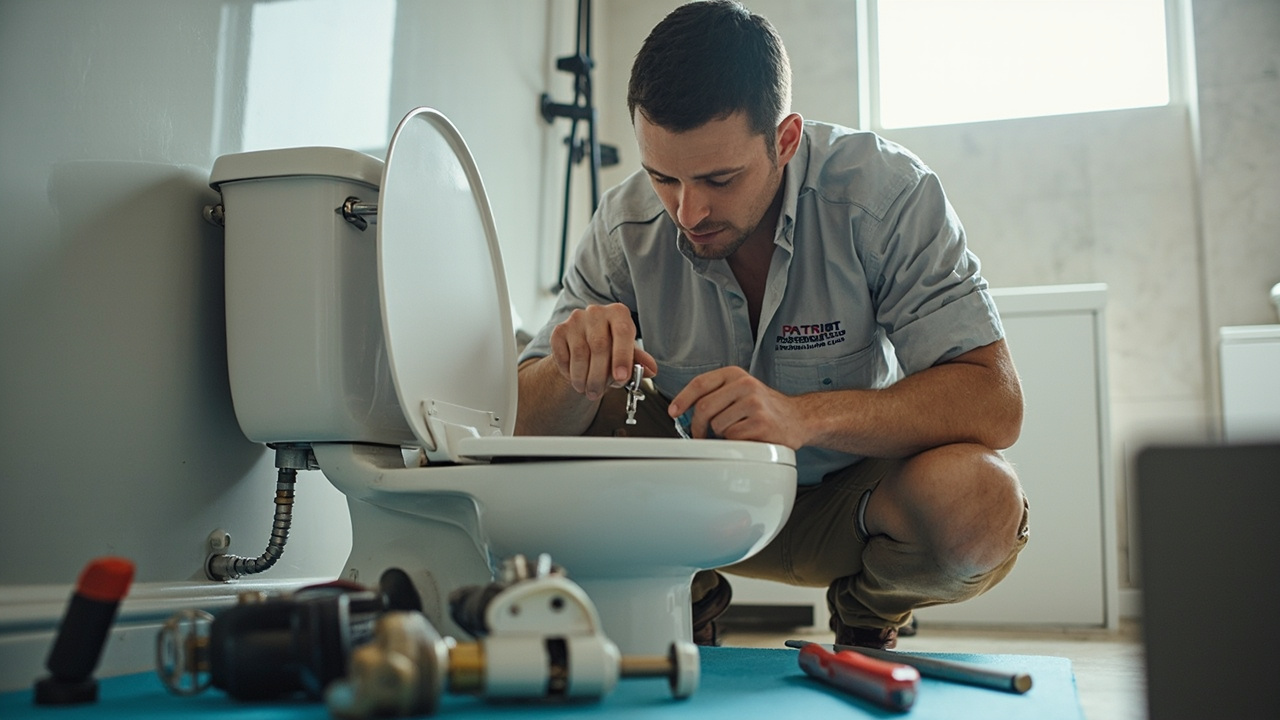
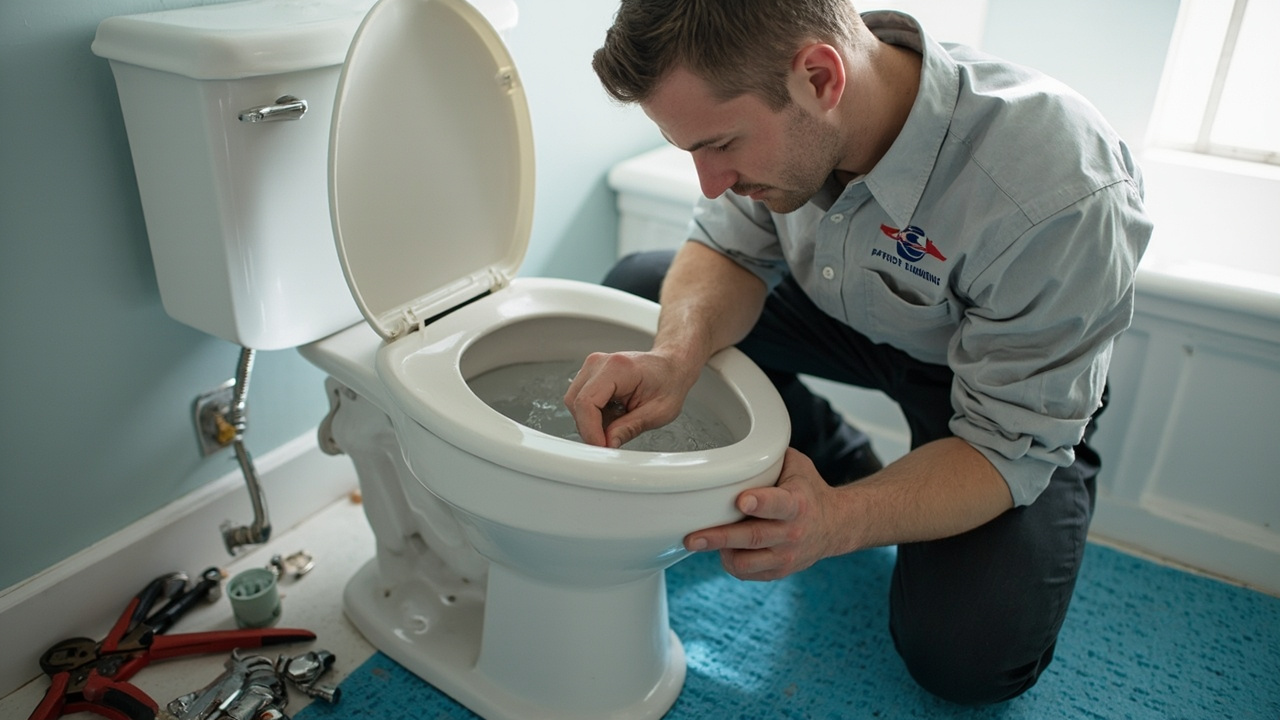
We remove the tank lid and run a complete visual and functional test of all internal components. You'll see us check the flapper seal, test the fill valve cutoff, inspect the overflow tube, and measure water levels. We use dye tablets to detect leaks invisible to the naked eye. This diagnostic takes 10 to 15 minutes and identifies every point of failure, not just the obvious one.
02

Component Repair or Replacement

Based on the diagnostic, we replace or repair failed components using commercial-grade parts rated for Buffalo's hard water. This includes toilet flapper replacement with mineral-resistant materials, fill valve installation with adjustable pressure settings, and flush valve seat resurfacing if corrosion has damaged the sealing surface. We adjust the refill tube, float height, and chain length to factory specifications.
03

Final Testing and Verification

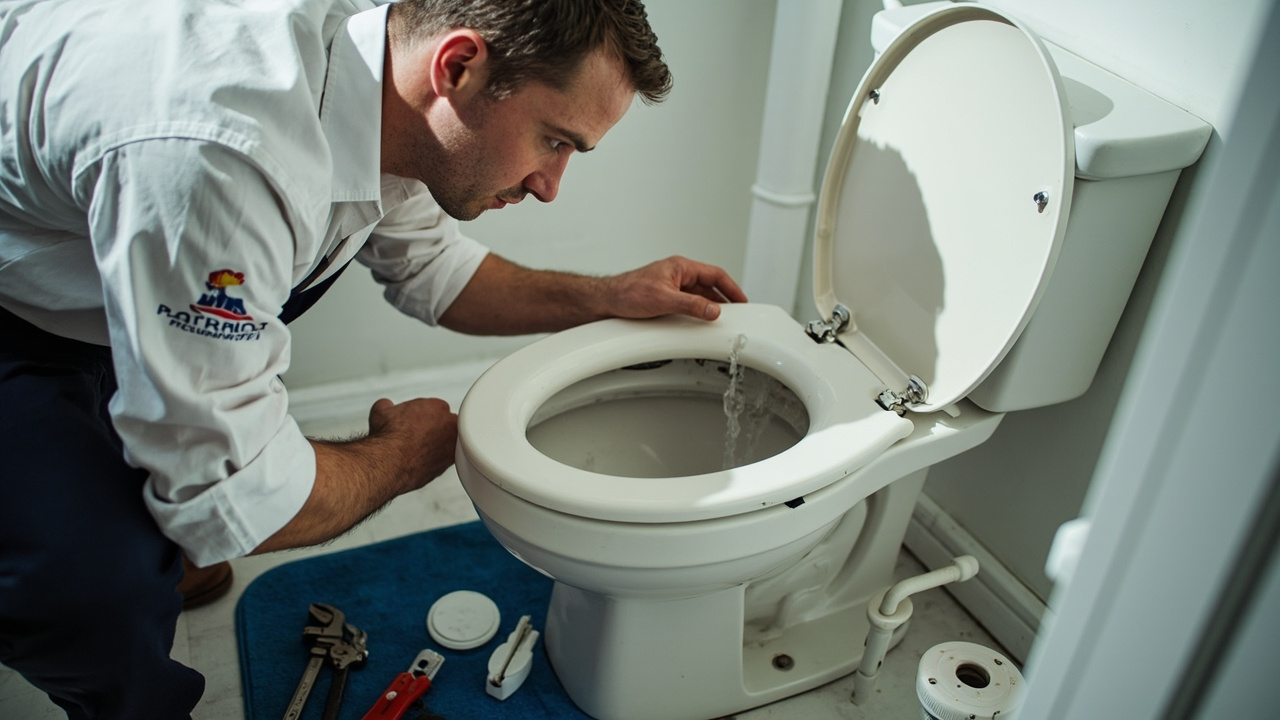
We run multiple flush cycles and monitor the tank for 10 minutes to confirm complete shutoff. We verify no water is leaking into the bowl, the fill valve stops at the correct level, and the flapper seals completely. You'll see the toilet operate silently with no hissing, trickling, or phantom flushes. We show you how to spot early warning signs and what to listen for if problems return.

Why Buffalo Homeowners Trust Us for Toilet Repairs

Buffalo's plumbing is old. Homes in Parkside, Delaware District, and West Side were built between 1900 and 1950. The toilet fixtures in these properties have seen decades of hard water, freezing winters, and deferred maintenance.

Patriot Plumbing Buffalo specializes in older plumbing systems. We understand how galvanized pipes interact with modern toilet components. We know how Buffalo's water chemistry affects rubber and plastic parts. We've worked in every neighborhood, from the brick colonials in North Park to the Victorians in Allentown.

We stock commercial-grade components designed to withstand hard water. Standard big-box flappers last 12 to 18 months in Buffalo. The flappers we install are mineral-resistant and rated for five years of continuous exposure to high-calcium water. We don't use cheap fill valves that fail when water pressure spikes during winter pipe contractions.

We also understand Buffalo's building codes and plumbing standards. Homes built before 1980 often have non-standard rough-in dimensions and outdated flush mechanisms. We adapt repairs to fit your existing setup without forcing you into expensive retrofits.

You'll get a licensed plumber, not a handyman. Our technicians carry backflow certifications, cross-connection control training, and residential plumbing licenses issued by New York State. We pull permits when code requires it, and we document our work for insurance and resale purposes.

We've repaired running toilets in Buffalo for over a decade. We've fixed toilets in century-old homes where the tank bolts had rusted into the porcelain. We've diagnosed ghost flushing in new construction where builders used defective fill valves. We've stopped water waste in rental properties where tenants ignored the problem for years.

When you call us, you're getting a plumber who's seen every configuration and every failure mode Buffalo toilets produce.

What You Can Expect from Our Running Toilet Repair Service

Same-Day and Next-Day Appointments

We schedule most running toilet repairs within 24 hours of your call. If you contact us before noon, we'll often arrive the same day. We keep appointment windows tight, usually two hours, and we call 30 minutes before arrival. Running toilets are not emergencies, but we treat them as high-priority because of the financial impact. You won't wait a week for a simple repair. We stock the most common components on every truck, which means we complete most repairs in a single visit without return trips for parts.

Complete Tank and Bowl Diagnostics

We don't just replace the flapper and leave. We inspect every component inside the tank, test for silent leaks using dye tablets, check the bowl for cracks or casting defects, and measure water pressure at the supply line. We'll identify problems you didn't know existed, like a corroded flush valve seat or a fill valve that's cavitating. You'll get a full verbal report of what we found, what we fixed, and what might need attention in the future. We take photos of damaged components so you can see exactly why the repair was necessary.

Guaranteed Silent, Leak-Free Operation

When we finish, your toilet will be completely silent between flushes. No hissing. No trickling. No phantom refills. We verify this by monitoring the toilet for 10 minutes after the repair. If you hear any sound or notice water movement in the tank or bowl after we leave, we return and fix it at no additional charge. Our repairs stop the water waste immediately. Your next water bill will reflect the savings. Most customers see a 20 to 30 percent drop in water usage after we fix a running toilet.

Post-Repair Maintenance Guidance

We'll show you how to spot early warning signs of future problems. You'll learn what the components inside your tank do, how to adjust the float if needed, and how to shut off the water supply in an emergency. We'll explain how Buffalo's hard water affects your specific toilet and what you can do to extend component life. If your home has multiple toilets, we'll inspect the others for free and let you know if preventive repairs make sense. We're not here to sell you unnecessary services. We're here to keep your plumbing functional and your water bills reasonable.

Frequently Asked Questions

You Have Questions,
We Have Answers

How do you fix a toilet that is constantly running? +

Start by lifting the toilet tank lid and identifying the issue. Check if the flapper is sealing properly against the flush valve. If it's warped or deteriorated, replace it. Next, adjust the float height so water stops filling before it reaches the overflow tube. Tighten or replace the fill valve if it's leaking. Buffalo's hard water can cause mineral buildup on these components, accelerating wear. If adjustments don't stop the running, the flush valve seat may be corroded and need replacement. Most fixes take 15 minutes, but call a plumber if you're unsure.

What should you repair in a running toilet? +

The three main components to check are the flapper, fill valve, and float assembly. The flapper creates the seal at the tank bottom and fails most often. The fill valve controls water entering the tank and can stick open. The float tells the fill valve when to shut off. Buffalo's mineral-heavy water causes calcium deposits on these parts, reducing their lifespan. Replace worn flappers immediately since they waste gallons daily. If the fill valve constantly runs or makes noise, replace the entire assembly rather than trying repairs.

What are signs of a worn toilet flapper? +

A worn flapper shows visible cracks, feels slimy or brittle to touch, or has lost its flexibility. You'll hear water trickling into the bowl between flushes. Another test involves adding food coloring to the tank. If color appears in the bowl within 15 minutes without flushing, the flapper leaks. Buffalo's chlorinated water breaks down rubber flappers faster than average. Black residue on your fingers after touching the flapper indicates deterioration. Most flappers last three to five years but may fail sooner in high-use bathrooms or homes with hard water.

How do you fix negative air pressure in a toilet? +

Negative air pressure creates a siphon effect that pulls water from the bowl. This happens when drain vents are blocked or improperly installed. In Buffalo homes, ice dams or bird nests can block roof vents during winter months. Check the vent stack on your roof for obstructions. Inside, a clogged drain line can also create vacuum conditions. Professional plumbers use pressure tests to diagnose vent issues. Never attempt roof work during Buffalo winters. This problem requires evaluating your entire drain-waste-vent system, not just the toilet itself.

What is the most common cause of water running constantly in a toilet? +

A failed flapper causes most running toilets. This rubber seal at the tank bottom deteriorates from constant water exposure and chemical cleaners. When it no longer seals tightly, water continuously leaks into the bowl, triggering the fill valve to run. Buffalo's hard water accelerates flapper breakdown by depositing minerals that prevent proper sealing. The flapper chain can also tangle or have too much slack, preventing complete closure. Replacing a flapper costs a few dollars and takes five minutes. Ignoring it wastes hundreds of gallons monthly and spikes your water bill.

Why put aluminum foil in a toilet tank? +

This old trick supposedly prevents toilet tank condensation by reflecting heat, but it's ineffective and can damage components. Buffalo's humid summers cause cold tank water to condense on the outside, creating puddles. The real fix involves insulating the tank interior with foam liner kits or installing a tempering valve that mixes warm water into the tank. Aluminum foil can interfere with flapper movement and corrode metal parts. Don't use DIY hacks that create bigger problems. Address condensation properly or call a plumber for lasting solutions.

Do I need a new toilet if it keeps running? +

No. Most running toilets need simple part replacements, not full toilet replacement. A new flapper, fill valve, or flush valve assembly fixes 95 percent of running toilet issues. Replacement makes sense only if the toilet has cracks in the tank or bowl, or if it's an old water-wasting model using five gallons per flush. Buffalo homeowners benefit from upgrading to WaterSense toilets that use 1.28 gallons per flush. Before replacing, get a diagnostic from a plumber. Modern repair parts are affordable and extend your toilet's life by years.

Why is water constantly trickling into my toilet bowl? +

Water trickling into the bowl indicates a leaking flapper or damaged flush valve seat. The flapper isn't sealing completely, allowing tank water to seep past. Buffalo's mineral-rich water etches the flush valve seat over time, creating an uneven surface the flapper can't seal against. Check if the flapper is centered on the valve opening. Feel the valve seat for rough spots or buildup. Clean mineral deposits with white vinegar or fine sandpaper. If the seat is badly corroded, you'll need a flush valve replacement or seat repair kit.

How to make a toilet sensor go off? +

Commercial sensor toilets use infrared technology to detect motion. Wave your hand slowly in front of the sensor panel, typically on the tank or wall. If it doesn't respond, check for a manual flush button, usually near the sensor. Residential sensor toilets are rare, but if you have one, low batteries or sensor misalignment cause failures. Wipe the sensor lens clean since Buffalo's hard water spots can block the infrared beam. For commercial properties, sensor calibration requires maintenance staff. This isn't a DIY toilet repair issue for most Buffalo homeowners.

What are two things you should never flush down a toilet? +

Never flush wipes, even those labeled flushable, or feminine hygiene products. Wipes don't break down like toilet paper and create clogs in your drain lines and Buffalo's sewer system. They snag on pipe joints and tree roots, forming blockages that require professional cleaning. Feminine products absorb water and expand, jamming in traps and bends. Also avoid flushing dental floss, cotton swabs, paper towels, and medications. These items damage your plumbing and the municipal wastewater treatment system. Stick to human waste and toilet paper only. Everything else goes in the trash.

How Buffalo's Hard Water Damages Toilet Flappers and Fill Valves Faster

Buffalo's municipal water supply comes from Lake Erie, and it carries high levels of calcium, magnesium, and dissolved minerals. This hard water leaves white scale deposits on faucets, showerheads, and inside toilet tanks. Over time, these minerals coat the flapper, preventing it from sealing against the flush valve. They clog the fill valve's diaphragm and restrict water flow. Toilet components that last five years in soft-water cities fail in two to three years in Buffalo. If your toilet is running, hard water buildup is likely accelerating the wear. Standard replacement parts don't last here. You need mineral-resistant components designed for high-hardness water.

Patriot Plumbing Buffalo has repaired running toilets in every neighborhood, from the historic homes in Elmwood Village to the post-war bungalows in Kenmore. We understand Buffalo's plumbing code requirements, the unique challenges of older cast iron drain systems, and how freeze-thaw cycles affect toilet supply lines in unheated bathrooms. We've worked with the city's inspectors, and we know what passes inspection and what doesn't. When you hire a local plumber who's logged thousands of repairs in Buffalo homes, you get someone who's solved your exact problem dozens of times before. You get solutions that work in this climate, this water, and these buildings.
Plumbing Services in The Buffalo Area

We are proud to serve our community and invite you to explore our service area. Whether you need a quick repair or a major installation, our team is ready to assist you. Our commitment extends throughout the region, ensuring every home and business has access to top-tier plumbing services. We look forward to being your trusted local partner and demonstrating why we are the right choice for all your plumbing needs.

Address:
Patriot Plumbing Buffalo, 737 Delaware Ave, Buffalo, NY, 14209

Additional Services We Offer

Our news updates

Latest Articles & News from The Blogs

The Ultimate Plumbing Inspection Checklist for Parkside Home Buyers Buying a home in Parkside means investing in one of Buffalo’s…

The Ultimate Plumbing Inspection Checklist for Parkside Home Buyers

The Ultimate Plumbing Inspection Checklist for Parkside Home Buyers Buying a home in Parkside means investing in one of Buffalo’s…

How to Stop Your Depew Basement Floor Drain from Backing Up

How to Stop Your Depew Basement Floor Drain from Backing Up When sewage or water starts rising from your basement…

Maintaining the Historic Radiator and Boiler Systems in Buffalo University District Homes

Maintaining the Historic Radiator and Boiler Systems in Buffalo University District Homes \n\n The University District’s century-old radiator systems face…

Contact Us

Your running toilet is costing you money every hour it runs. Call Patriot Plumbing Buffalo at (716) 317-6655 to schedule same-day or next-day running toilet repair. Licensed plumbers. Permanent fixes. No return trips.