Menu

Storm Drain Cleaning & Repair in Buffalo – Industrial-Grade Solutions That Keep Your Property Operational

High-capacity storm drain cleaning, catch basin maintenance, and parking lot drain repair designed to prevent flooding, avoid code violations, and eliminate operational downtime for Buffalo commercial properties.

Slider Image 1
Slider Image 2
Slider Image 3
Slider Image 4
Slider Image 5
Slider Image 7
Slider Image 8
Slider Image 9
Slider Image 10
Slider Image 11

Buffalo's Weather Patterns Expose Critical Weaknesses in Commercial Drainage Systems

Buffalo receives over 90 inches of precipitation annually, with rapid snowmelt cycles and intense lake-effect storms that overload commercial stormwater infrastructure in minutes. Parking lot drain systems clog with road salt residue, organic debris from surrounding vegetation, and sediment washed in from adjacent properties. Catch basins designed for standard flow rates fail when spring runoff combines with sudden downpours.

The result is visible pooling water in loading zones, slip hazards in pedestrian walkways, and structural undermining beneath asphalt. Properties near the Buffalo River and tributaries face additional sediment loads that accelerate blockage timelines. Commercial facilities in the Medical Corridor and manufacturing zones along South Park Avenue deal with industrial runoff that introduces oils and particulates into drainage networks.

Storm sewer maintenance becomes a liability issue when standing water creates ADA compliance failures or when backed-up systems flood tenant spaces. Property managers face tenant complaints, insurance claims, and municipal fines when drainage infrastructure fails during peak weather events.

Professional stormwater drain cleaning services address these failures through hydro-jetting that removes compacted debris, video inspection that identifies structural damage, and catch basin repair that restores flow capacity. Commercial catch basin cleaning prevents the cascading failures that turn a single clogged inlet into a property-wide drainage emergency during Buffalo's unpredictable weather cycles.

Buffalo's Weather Patterns Expose Critical Weaknesses in Commercial Drainage Systems
How Professional Storm Drain Cleaning Eliminates Downtime and Prevents Structural Damage

How Professional Storm Drain Cleaning Eliminates Downtime and Prevents Structural Damage

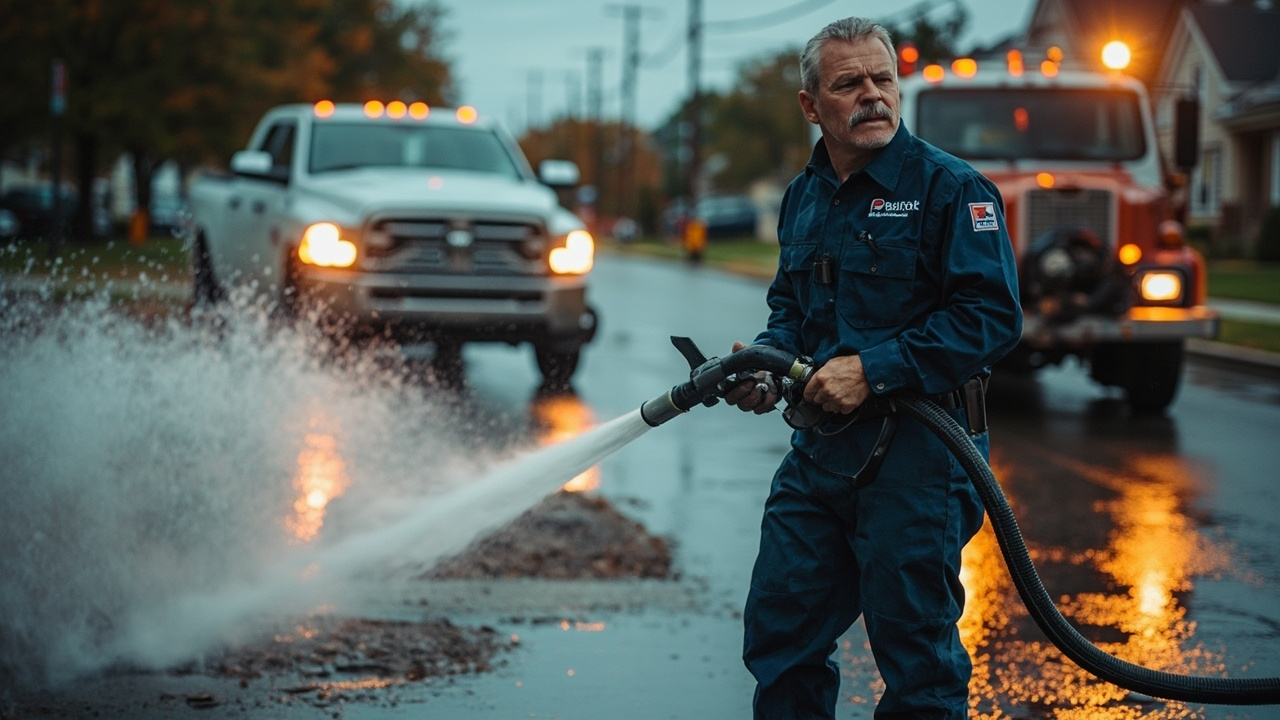
Parking lot drain repair and stormwater system maintenance require industrial equipment that residential drain cleaning tools cannot match. Patriot Plumbing Buffalo deploys truck-mounted hydro-jetters generating 3,000 to 4,000 PSI, capable of scouring years of compacted sediment and root intrusion from commercial storm lines. Push cameras with transmitter locators map the exact location of breaks, offsets, and collapsed sections beneath asphalt or concrete.

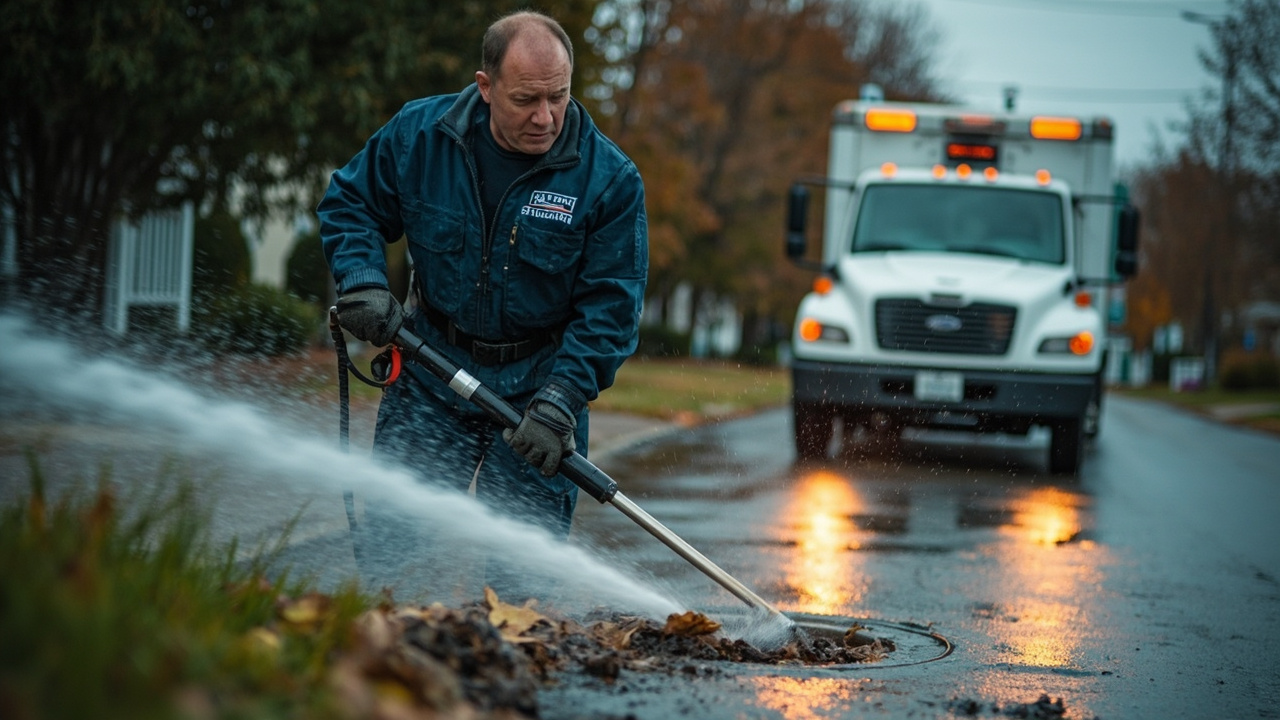
Catch basin cleaning involves removing grate assemblies, extracting standing water, and vacuuming accumulated silt from the sump area below the outlet pipe. Many commercial catch basins in Buffalo have not been serviced in years, allowing sediment levels to rise above the outlet invert, which renders the entire structure nonfunctional. Debris extraction is followed by high-pressure flushing of the outlet pipe to confirm flow continuity into the main storm sewer.

Storm sewer maintenance includes structural assessment of pipe joints, identification of grade issues that cause pooling, and documentation of capacity limitations. Buffalo's older commercial districts often have undersized storm lines installed decades ago when impervious surface coverage was lower. Modern parking lot expansions exceed original design parameters.

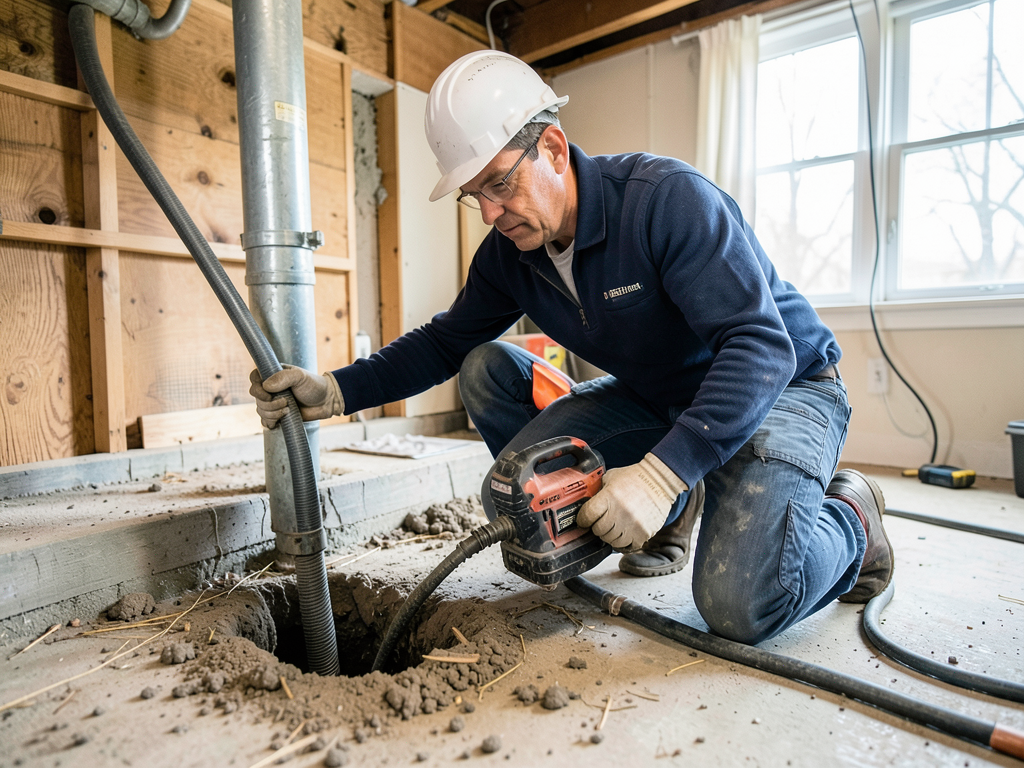
Catch basin repair involves mortar or epoxy patching of deteriorated masonry, replacement of corroded frames and grates, and installation of filter inserts where required by municipal stormwater permits. Some properties require complete basin reconstruction when freeze-thaw cycles have fractured the structure beyond repair. All work is coordinated to minimize disruption to business operations and tenant access.

What Happens During a Commercial Storm Drain Service Call

Storm Drain Cleaning & Repair in Buffalo – Industrial-Grade Solutions That Keep Your Property Operational
01

Site Assessment and Access

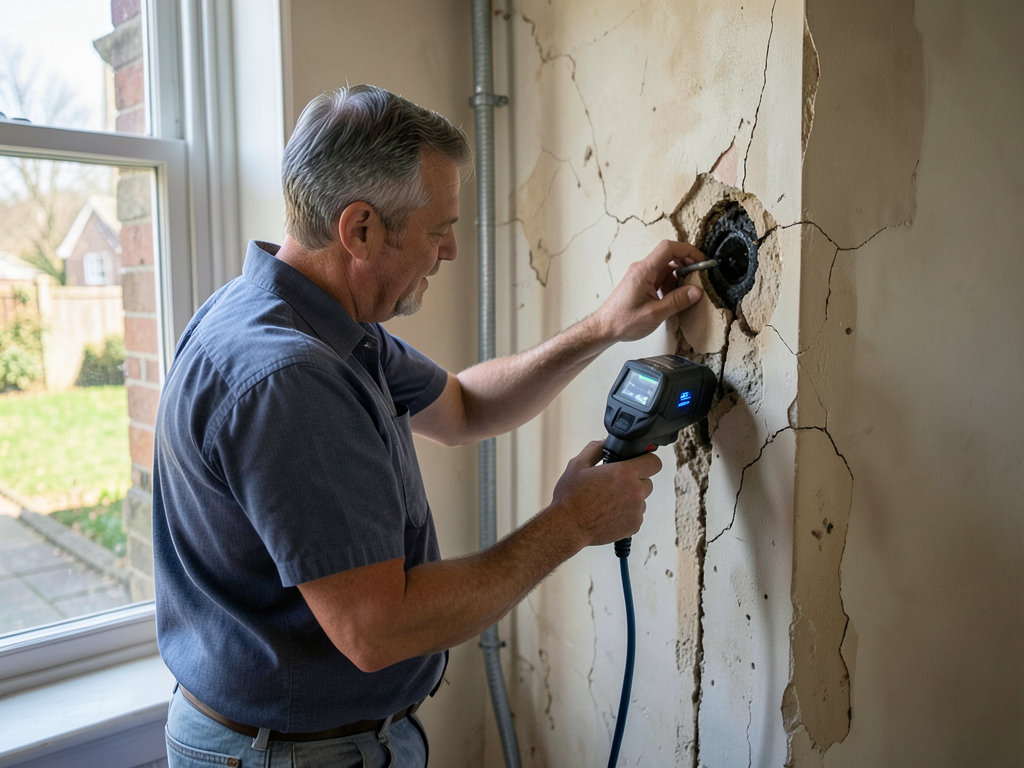
Technicians locate all catch basins, trench drains, and storm sewer access points on the property. Video inspection cameras are deployed into main lines to identify blockages, structural damage, and flow restrictions. Traffic control is established around work zones to maintain safe ingress and egress for employees and customers. The assessment includes documentation of existing conditions for property management records and potential insurance claims.
02

Debris Extraction and Jetting

Vacuum trucks remove standing water and accumulated sediment from catch basin sumps. Hydro-jetting equipment scours the interior walls and outlet pipes, dislodging compacted debris and restoring full flow capacity. Root masses are cut and extracted from pipe joints. All extracted material is hauled off-site in compliance with municipal waste disposal requirements. The work is sequenced to prevent disruption to adjacent tenants or customers.
03

Testing and Documentation

Water flow tests confirm that drainage systems are operating at design capacity. Final video inspection documents the cleaned condition of all storm lines. Property managers receive a detailed report including photographic evidence, identified defects requiring future repair, and recommendations for preventive maintenance intervals. This documentation supports compliance with municipal stormwater permits and provides records for tenant communications and insurance purposes.

Why Buffalo Commercial Properties Trust Local Storm Drain Specialists

Commercial stormwater systems in Buffalo operate under different constraints than residential drainage. Properties with more than one acre of impervious surface must comply with Erie County stormwater management regulations, including routine inspection and maintenance documentation. Failure to maintain catch basins and storm sewers can result in municipal fines and potential liability if stormwater runoff causes off-site damage.

Patriot Plumbing Buffalo understands the specific challenges of maintaining drainage infrastructure in Buffalo's climate. Lake-effect snow creates rapid melt cycles that overload systems within hours. The freeze-thaw cycles that occur throughout winter and early spring cause heaving and displacement of catch basin structures, creating gaps where sediment enters and accumulates. Older commercial properties in the Larkinville and Elmwood Village areas have clay tile storm sewers that deteriorate over time, requiring specialized repair techniques.

Local expertise matters when coordinating work around business operations. Retail properties cannot afford to lose parking access during peak hours. Manufacturing facilities need drainage repairs completed during planned shutdowns. Medical office buildings require infection control protocols when working near air intake systems or pedestrian entrances.

The difference between reactive emergency repairs and planned maintenance is the difference between thousands in water damage and a scheduled service call. Properties that implement quarterly or semi-annual stormwater drain cleaning services avoid the catastrophic failures that occur when systems are neglected until visible problems emerge. Scheduled maintenance also creates documentation trails that satisfy insurance underwriters and municipal inspectors. Commercial property managers who prioritize drainage infrastructure protect their investment and minimize risk exposure.

What Buffalo Commercial Properties Should Expect From Storm Drain Services

Response Time and Scheduling Flexibility

Commercial storm drain emergencies receive priority dispatch, with crews arriving on-site within hours of contact. For planned maintenance, scheduling is coordinated around your operational requirements, including after-hours and weekend availability to minimize impact on tenants and customers. Multi-property portfolios can be serviced on rotating schedules that distribute maintenance costs across budget periods. Emergency response includes immediate mitigation to prevent further water intrusion or structural damage while permanent repairs are planned.

Comprehensive System Evaluation

Initial assessment includes video inspection of all accessible storm lines, flow testing of catch basins, and identification of code compliance issues. You receive detailed reporting with timestamped video footage, annotated site maps, and prioritized repair recommendations. The evaluation identifies immediate hazards, deferred maintenance needs, and long-term infrastructure upgrades. This documentation supports capital planning and provides evidence of due diligence for liability protection. Properties under contract for sale or lease benefit from pre-transaction drainage assessments that prevent surprise failures during occupancy transitions.

Measurable Performance Restoration

Storm drain cleaning restores flow capacity to design specifications, eliminating standing water and reducing flood risk during weather events. Catch basin repair eliminates structural deficiencies that cause sediment infiltration and premature re-clogging. Parking lot drain repair removes trip hazards and ADA compliance violations. Post-service testing confirms that water is draining at the intended rate, and you receive before-and-after video documentation showing the condition improvement. Properties with recurring drainage problems see permanent resolution when underlying structural issues are addressed.

Preventive Maintenance Programs

Scheduled maintenance contracts provide routine catch basin cleaning and storm sewer inspection at intervals determined by your property's specific conditions. High-debris locations near landscaping or heavy traffic areas may require quarterly service, while other systems perform adequately with annual or bi-annual maintenance. Preventive programs include priority emergency response if unexpected failures occur between scheduled services. Contract pricing provides budget predictability and eliminates surprise repair costs. Multi-year agreements can be structured to align with property management contracts or fiscal year cycles.

Frequently Asked Questions

You Have Questions,
We Have Answers

How much does it cost to clean a storm drain? +

Commercial storm drain cleaning costs vary based on drain size, depth, blockage severity, and access difficulty. A standard parking lot catch basin cleanout typically runs lower than mainline hydro jetting for large properties. Buffalo properties face unique challenges with freeze-thaw debris, road salt accumulation, and heavy leaf loads from mature tree canopies. Most commercial contractors price by the hour or per drain, with video inspection adding separate fees. Request a site assessment to get accurate pricing. Factor in potential downtime costs and liability exposure from flooding when budgeting for storm drain maintenance.

How often do storm drains need to be cleaned? +

Commercial properties in Buffalo should schedule storm drain cleaning at least twice annually. Schedule one cleaning in late spring after winter debris and road salt buildup, and another in late fall before freeze-up to clear leaf accumulation. High-traffic parking lots, properties near Lake Erie, or facilities with mature landscaping may require quarterly service. Buffalo's freeze-thaw cycles accelerate sediment buildup and crack formation. Properties subject to municipal stormwater regulations often face mandated inspection and cleaning frequencies. Document all maintenance to demonstrate compliance and reduce liability if flooding occurs.

Whose responsibility is it to clear storm drains? +

Responsibility depends on drain location and ownership. Private storm drains on commercial property are the property owner's responsibility to maintain, clean, and repair. Municipal storm drains in Buffalo streets fall under city jurisdiction. The connection point between private and public systems determines liability. Review your site survey and title documents to identify ownership boundaries. Property owners remain liable for damage caused by poorly maintained private drains, even if they discharge into public systems. Buffalo's stormwater management ordinances may impose specific maintenance requirements on commercial properties. Consult local code enforcement if boundaries are unclear.

Is professional drain cleaning worth it? +

Professional storm drain cleaning is essential for commercial properties. Hydro jetting removes compacted sediment, grease, and root intrusion that manual methods cannot address. Video inspection identifies structural defects, cracks, and offset joints before they cause catastrophic failure. In Buffalo, winter freeze damage and clay soil movement create hidden problems. Professional service prevents business interruption from flooded parking lots, protects building foundations, and demonstrates due diligence for liability purposes. The cost of emergency repairs, lost business, and potential slip-and-fall claims far exceeds preventive maintenance expenses. Documentation also satisfies insurance and regulatory requirements.

Does homeowners insurance cover sewer line repair? +

Homeowners insurance typically excludes storm drain and sewer line repairs. Standard policies cover sudden, accidental water damage but not maintenance-related failures or gradual deterioration. Commercial property policies follow similar exclusions. Optional sewer and drain endorsements or separate service line coverage may apply, but review policy language carefully. Buffalo's aging infrastructure and freeze-thaw damage often fall under excluded maintenance issues. Insurance may cover resulting property damage from a covered peril, but not the pipe repair itself. Document regular maintenance to strengthen any claim. Consult your agent about specific coverage gaps before problems occur.

How much does a plumber charge to clean out a drain? +

Commercial storm drain cleaning rates vary by scope and equipment. Basic catch basin cleanout starts at one rate, while mainline hydro jetting and video inspection cost more. Buffalo contractors typically charge hourly rates or per-drain pricing for commercial work. Complex blockages, difficult access, or deep drains increase labor time. Emergency or after-hours service carries premium pricing. Many commercial contracts bundle regular maintenance at discounted rates compared to emergency calls. Request detailed quotes that specify equipment used, footage cleaned, disposal fees, and video documentation. Factor in your downtime costs and liability exposure when evaluating bids.

Why do plumbers say not to use drain cleaner? +

Chemical drain cleaners damage commercial storm drain systems and create safety hazards. The caustic formulas corrode metal pipes, degrade PVC joints, and weaken concrete structures already stressed by Buffalo's freeze-thaw cycles. Chemicals provide temporary relief but do not remove blockages, allowing debris to accumulate downstream. They create toxic fumes in enclosed spaces and pose worker safety risks. Residual chemicals contaminate stormwater discharge, violating environmental regulations. Professional hydro jetting removes blockages completely without chemical damage. For commercial properties, chemical use demonstrates negligence if resulting pipe failure causes property damage or environmental violations.

What months are best for gutter cleaning? +

Buffalo commercial properties should clean gutters in late November after leaf drop and again in early April after winter debris accumulation. Properties with heavy tree coverage or flat roofs require monthly inspection during fall. Clogged gutters contribute directly to storm drain overload by channeling debris into catch basins. Ice dam formation from clogged gutters damages roofing and creates slip hazards below. Schedule gutter cleaning before storm drain service to prevent recontamination. Retail properties and office complexes benefit from pre-winter cleaning to avoid icicle liability and spring cleaning before peak business seasons.

Can storm drains get full? +

Storm drains absolutely get full and overflow when debris, sediment, and pollutants accumulate beyond capacity. Buffalo's heavy snow melt, spring rains, and leaf loads quickly overwhelm undersized or poorly maintained systems. Catch basins fill with road salt, sand, organic matter, and sediment from parking lots. Once full, water bypasses the drain and floods surrounding areas. Frozen ground prevents absorption, forcing all runoff into storm systems. Regular cleaning maintains design capacity and prevents backup into buildings. Full drains also create standing water that freezes, creating slip hazards and pavement damage.

Is drain unblocking covered by insurance? +

Commercial property insurance rarely covers routine drain unblocking or maintenance-related blockages. Policies exclude damage from wear, deterioration, or lack of maintenance. Coverage may apply if a sudden, covered peril causes the blockage, but proving causation is difficult. Buffalo's gradual freeze damage and root intrusion fall under excluded maintenance issues. Some policies offer limited sewer backup coverage for resulting property damage, but not the unblocking itself. Review your policy's water damage and maintenance exclusions carefully. Maintain documented cleaning records to demonstrate due diligence and strengthen any claim for sudden blockages.

How Buffalo's Lake-Effect Snow and Clay Soil Accelerate Storm Drain Deterioration

Buffalo's unique position on the eastern shore of Lake Erie creates lake-effect precipitation that dumps intense snow and rain with little warning. When combined with the region's clay-heavy soil composition, this creates a drainage challenge found in few other markets. Clay soil expands when saturated and contracts when dry, creating pressure differentials that crack catch basin walls and displace storm sewer joints. Spring thaw events send massive sediment loads into commercial drainage systems as snowmelt mobilizes months of accumulated road salt, sand, and organic debris. Properties in South Buffalo and along the waterfront face accelerated deterioration compared to national averages.

Commercial properties in Buffalo must navigate Erie County's stormwater management regulations, which require documented maintenance for properties with significant impervious surface coverage. Local expertise matters because regional drainage systems were often installed decades ago when codes were less stringent. Patriot Plumbing Buffalo understands the specific failure patterns of older infrastructure in Buffalo's commercial corridors and knows which repair methods will pass municipal inspection. Working with a local contractor means faster response during weather emergencies and familiarity with the permitting requirements that apply to storm sewer repairs near Buffalo's waterways and combined sewer overflow zones.
Plumbing Services in The Buffalo Area

We are proud to serve our community and invite you to explore our service area. Whether you need a quick repair or a major installation, our team is ready to assist you. Our commitment extends throughout the region, ensuring every home and business has access to top-tier plumbing services. We look forward to being your trusted local partner and demonstrating why we are the right choice for all your plumbing needs.

Address:
Patriot Plumbing Buffalo, 737 Delaware Ave, Buffalo, NY, 14209

Additional Services We Offer

Our news updates

Latest Articles & News from The Blogs

The Ultimate Plumbing Inspection Checklist for Parkside Home Buyers Buying a home in Parkside means investing in one of Buffalo’s…

The Ultimate Plumbing Inspection Checklist for Parkside Home Buyers

The Ultimate Plumbing Inspection Checklist for Parkside Home Buyers Buying a home in Parkside means investing in one of Buffalo’s…

How to Stop Your Depew Basement Floor Drain from Backing Up

How to Stop Your Depew Basement Floor Drain from Backing Up When sewage or water starts rising from your basement…

Maintaining the Historic Radiator and Boiler Systems in Buffalo University District Homes

Maintaining the Historic Radiator and Boiler Systems in Buffalo University District Homes \n\n The University District’s century-old radiator systems face…

Contact Us

Do not wait for standing water or structural damage to force an emergency call. Contact Patriot Plumbing Buffalo at (716) 317-6655 to schedule a drainage system assessment and get ahead of Buffalo's next weather event.