Menu

Gas Leak Detection & Repair in Buffalo – Emergency Response Within 60 Minutes

When you smell gas, every minute counts. Patriot Plumbing Buffalo deploys certified gas leak plumbers across the metro 24/7 for immediate gas pipe leak detection and emergency gas line repair to protect your home and family.

Slider Image 1
Slider Image 2
Slider Image 3
Slider Image 4
Slider Image 5
Slider Image 7
Slider Image 8
Slider Image 9
Slider Image 10
Slider Image 11

Why Gas Leaks Are a Critical Emergency in Buffalo Homes

Buffalo's aging housing stock creates a silent risk. Homes built before 1970 often have galvanized steel gas lines that corrode from the inside out. You cannot see the damage until you smell rotten eggs or hear a faint hissing near your meter or appliances.

Natural gas is lighter than air. It rises fast in Buffalo's drafty older homes, pooling near ceilings and attic spaces. A single spark from a light switch or furnace ignition can trigger an explosion. If you smell gas, get out immediately and call (716) 317-6655 from a safe distance.

Winter freeze-thaw cycles stress underground gas service lines. When soil contracts and expands, aging pipes shift and crack. You might notice dead patches in your lawn above the line or detect a sulfur odor near your foundation. These are warning signs of a subsurface leak requiring immediate gas pipe leak detection.

Buffalo's dense neighborhoods mean a gas leak in your home threatens adjacent properties. Emergency gas line repair is not just about your safety. It protects your block.

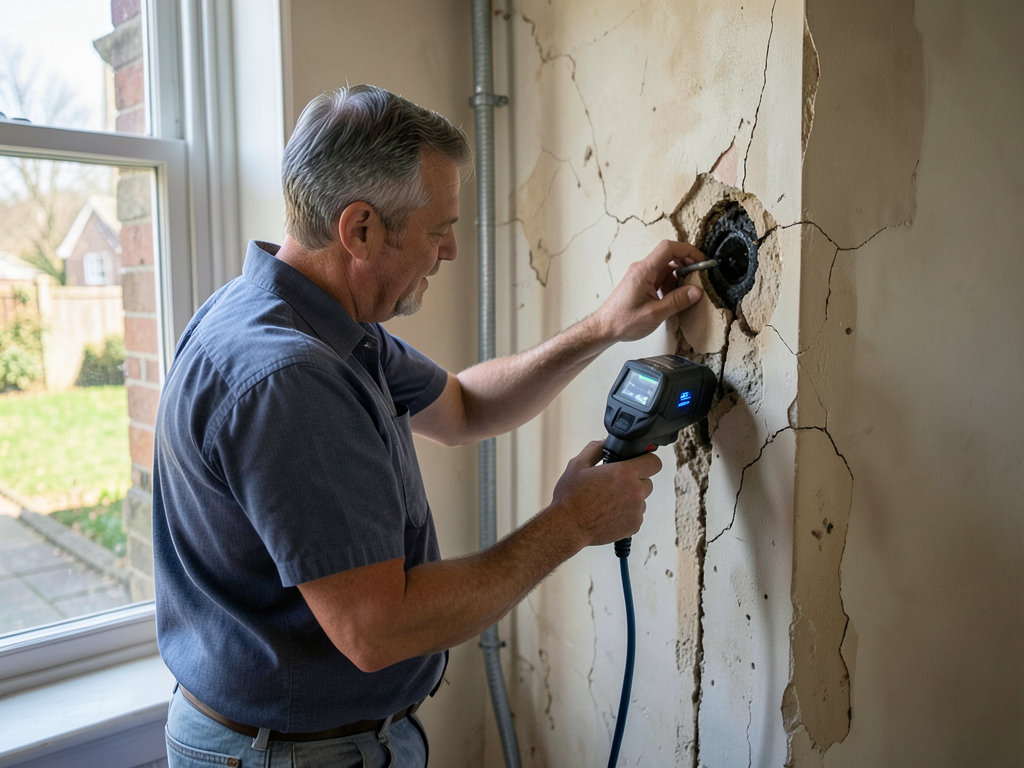
Our emergency gas leak plumber service uses electronic detection equipment calibrated to parts-per-million sensitivity. We locate the exact breach point without tearing apart walls or digging blindly. Speed matters because gas concentration builds fast in enclosed spaces. We arrive ready to isolate the leak, ventilate the area, and execute fix gas leak protocols before the situation escalates.

If you hear hissing, smell sulfur, or see your gas meter spinning when appliances are off, evacuate and call us. We handle gas line repair services while you wait at a safe distance.

Why Gas Leaks Are a Critical Emergency in Buffalo Homes
How We Execute Emergency Gas Line Repair Under Pressure

How We Execute Emergency Gas Line Repair Under Pressure

Gas leaks do not wait for business hours. Our dispatch protocol puts a certified plumber in a truck within minutes of your call. We carry combustible gas detectors, pressure testing rigs, and pre-cut black iron pipe sections to handle the most common failure points in Buffalo homes.

Step one is source isolation. We shut off your gas meter immediately to stop the flow. If the leak is upstream of the meter, we coordinate with National Fuel to shut the street valve. You do not pay for that coordination. We handle it.

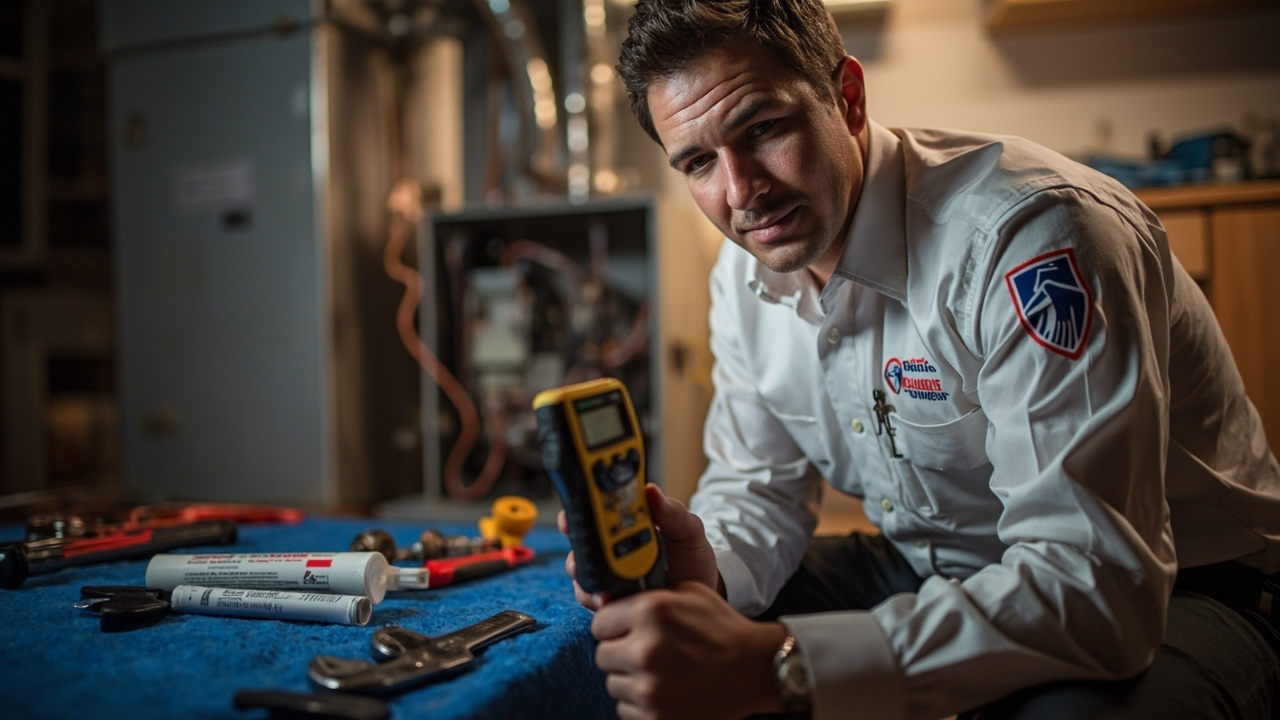
Next, we deploy a digital gas sniffer to trace the leak path. This device reads methane and propane concentrations in real time. We move methodically through your basement, utility room, and appliance connections. Most leaks occur at threaded joints where old pipe dope has dried out or at corroded tee fittings behind water heaters.

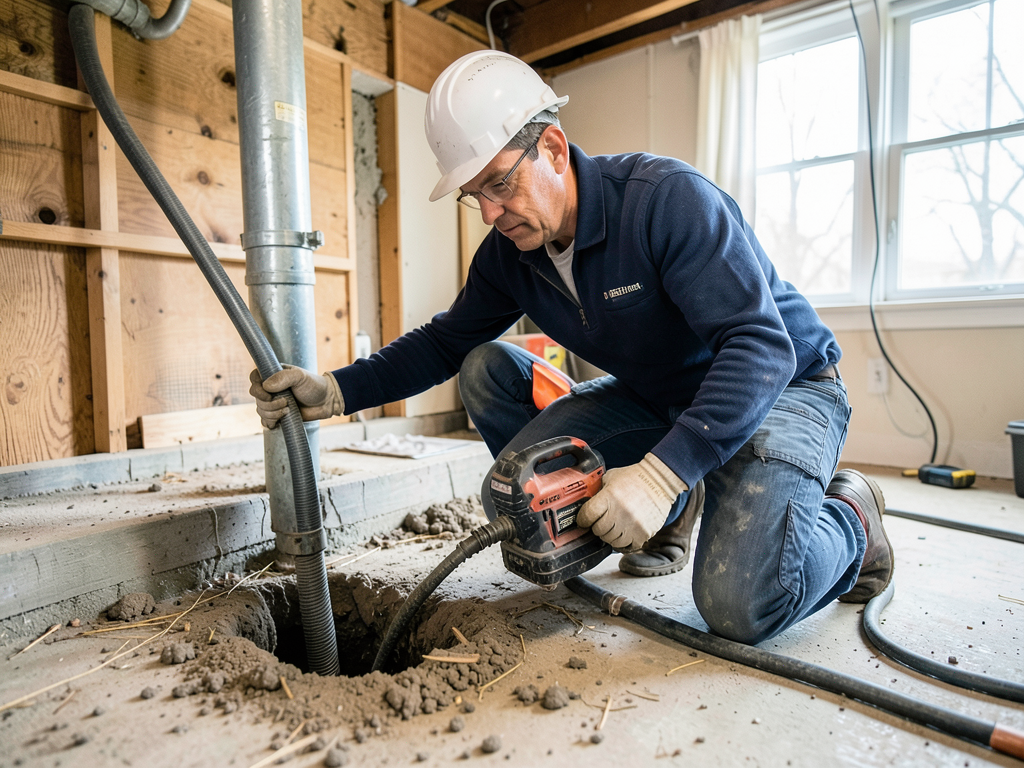
Once located, we assess whether the repair requires a coupling replacement or a full line section swap. We do not patch leaks with putty or tape. We cut out the compromised section and install new Schedule 40 black iron with Teflon-rated thread sealant rated for gas service. Every joint gets torqued to spec and pressure tested at 15 psi for 30 minutes before we restore service.

We then perform a full system leak check using soap solution at every downstream connection. Burner orifices, dryer couplings, and furnace unions all get tested. You do not get gas back until we confirm zero leaks across the entire distribution system inside your home.

Our trucks carry spare regulators, flex connectors, and shut-off valves. We complete most emergency gas line repair jobs in under three hours without a return trip.

What Happens When You Call for Emergency Gas Leak Help

Gas Leak Detection & Repair in Buffalo – Emergency Response Within 60 Minutes
01

Immediate Dispatch and Safety Briefing

You call (716) 317-6655 and reach a live dispatcher, not a voicemail. We ask your location and confirm you are outside the home. We send the nearest truck immediately and provide phone-based safety instructions while our plumber drives to you. If fire or medical risk exists, we tell you to call 911 first. We coordinate arrival with first responders if they are already on scene.
02

On-Site Detection and Isolation

Our plumber arrives with gas detection equipment and performs an exterior perimeter check before entering. We ventilate the space, shut off your meter, and use electronic sniffers to map the leak source. You stay outside until we confirm the environment is safe. We locate the breach point, assess the damage, and explain the repair scope before starting work. No guessing, no unnecessary demolition.
03

Repair, Testing, and Restoration

We replace the damaged pipe section with code-compliant materials and pressure test the entire system for 30 minutes. Every joint gets a soap test. Once we confirm zero leaks, we restore gas service, relight pilot lights, and verify appliance function. You receive a written report documenting the leak location, repair method, and test results. We clean up all debris and leave your home safer than we found it.

Why Buffalo Residents Call Patriot Plumbing for Gas Leak Emergencies

Gas line work is not general plumbing. It requires a separate certification and liability coverage. Patriot Plumbing Buffalo employs plumbers with active gas fitting credentials recognized by New York State. We carry the insurance required to work on pressurized gas systems in residential and commercial buildings.

We know Buffalo's building stock. Homes in the Elmwood Village and Allentown neighborhoods were built during the 1920s gas boom. Original pipe is often uncoated steel that has spent a century exposed to moisture and soil chemistry. We have replaced hundreds of these lines and understand the failure patterns.

Our response time averages under 60 minutes across Erie County. We stage trucks in North Buffalo, South Buffalo, and Cheektowaga to cover the metro efficiently. When you call with a gas emergency, you get a plumber who lives and works in this city, not a contractor driving in from Rochester.

We also understand local code enforcement. The City of Buffalo requires a permit and inspection for gas line replacement. We pull permits on your behalf and coordinate the inspection so you do not face fines or complications when you sell your home.

Our trucks carry the parts that fail most often in Buffalo homes. We stock 1/2-inch and 3/4-inch black iron nipples, tees, elbows, and caps. We have flexible stainless steel connectors for water heaters and ranges. This means we complete repairs in one visit without waiting on supply houses.

You also get transparent pricing. We quote the repair cost before we start work. No hidden fees, no surprise charges. If the job requires a full line replacement from the meter to your furnace, we tell you upfront and explain why a coupling will not hold.

What to Expect When We Respond to Your Gas Leak

60-Minute Average Response Time

We answer emergency calls 24 hours a day, 365 days a year. Our average response time across Buffalo is under 60 minutes from your call to our arrival on site. We prioritize gas leaks above all other service calls because of the immediate danger. You will receive a text with your plumber's name, photo, and estimated arrival time within five minutes of your call. If weather or traffic delays us, we update you in real time.

Comprehensive Leak Detection and Assessment

Our plumbers use calibrated electronic gas detectors that measure methane and propane concentrations down to 10 parts per million. We do not rely on smell alone. We trace the leak path through your home systematically, checking every joint, valve, and appliance connection. You receive a verbal explanation of what we found, what caused the failure, and what repair method we recommend. We show you the damaged component before we replace it so you understand the issue.

Code-Compliant Repair with Pressure Testing

We do not use temporary fixes or patch products. Every repair uses materials approved for natural gas service under New York State code. We install black iron pipe with malleable fittings or corrugated stainless steel tubing depending on the application. Every repair gets pressure tested at 15 psi for a minimum of 30 minutes and soap tested at every joint. You receive documentation of the test results and photos of the completed work before we restore gas service to your home.

Post-Repair System Check and Documentation

After the repair passes pressure testing, we restore gas to your meter and systematically check every appliance in your home. We relight water heater pilots, test range burners, and verify furnace ignition. You receive a written report that includes the leak location, cause of failure, repair method, and test results. If the repair required a permit, we provide the permit number and inspection schedule. This documentation protects you during home sales or insurance claims.

Frequently Asked Questions

You Have Questions,
We Have Answers

Whose responsibility is it to fix a gas leak? +

It depends on where the leak occurs. National Fuel Gas owns and maintains the distribution lines up to your meter. Once the gas passes through the meter into your home, you own the piping and appliances. If you smell gas inside your Buffalo home, evacuate immediately and call National Fuel at 800-444-3130 from outside. They will shut off your meter if needed. After the utility confirms the leak is on your side of the meter, you need a licensed plumber to locate and repair it. Never attempt repairs yourself. Gas leaks demand professional intervention for your safety.

Can I check for a gas leak myself? +

You can perform a basic visual check, but never attempt DIY diagnostics if you smell gas. Evacuate first. If you suspect a minor leak when the gas smell is faint or absent, mix dish soap with water and brush it onto exposed pipe joints and connections. Bubbles indicate escaping gas. However, this only works on accessible piping. Many leaks hide inside walls or underground. Buffalo homes with older cast iron or steel piping face higher risk. A combustible gas detector provides better coverage, but professional detection equipment is far more sensitive. When in doubt, call a licensed plumber immediately.

Does the fire department charge you to check for gas leaks? +

No. The Buffalo Fire Department does not charge for emergency gas leak calls. They respond 24/7 to verify whether gas is present and eliminate immediate danger. Firefighters use detection meters to confirm a leak and will ventilate your home if needed. They coordinate with National Fuel Gas to shut off service at the meter. However, the fire department does not locate the source or make repairs. Once they secure the scene, you must hire a licensed plumber to find and fix the leak before gas service can be restored. Their response is free, but the repair is your responsibility.

Is it free to check a gas leak? +

National Fuel Gas provides free leak checks on their equipment up to and including your meter. If you call their emergency line, a technician will respond at no charge to investigate. However, if the leak exists downstream of the meter in your home's piping or appliances, the utility will shut off your gas and leave. You then need a licensed plumber to locate and repair the problem. That service is not free. Emergency plumbing calls in Buffalo typically involve diagnostic fees and hourly rates. The utility's free service stops at their equipment. Your responsibility and cost begin at the meter outlet.

How much does it typically cost to fix a gas leak? +

Repair costs vary widely based on leak location and accessibility. A simple tightening of an exposed pipe joint may cost $150 to $300 for the service call and labor. If the leak hides inside a wall or basement slab in your Buffalo home, expect $500 to $1,500 or more. This includes detection, wall removal, pipe replacement, and restoration. Corroded piping that requires extensive replacement can reach several thousand dollars, especially in older Buffalo homes with outdated steel or iron lines. Emergency after-hours calls carry premium rates. Get a detailed estimate before authorizing work, but prioritize safety over cost when gas is involved.

Are gas leaks fixed for free? +

No. Gas leak repairs are never free unless covered under a home warranty or appliance manufacturer's warranty, which is rare. National Fuel Gas fixes leaks on their infrastructure at no charge to you, but only up to the meter. Any leak on your side of the meter is your financial responsibility. Some homeowners insurance policies cover sudden gas line damage, but you must verify your policy details and pay your deductible. In Buffalo's aging housing stock, many leaks result from long-term corrosion, which insurance excludes. Budget for repair costs and do not delay. Gas leaks are life-threatening emergencies.

What are the first signs of a gas leak? +

The most obvious sign is the sulfur smell added to natural gas, often described as rotten eggs. You may also hear a hissing or whistling sound near pipes or appliances. Dead or discolored vegetation outside your home can indicate an underground leak. Inside, watch for unusual condensation on windows or a white cloud or dust cloud near a gas line. Physical symptoms like dizziness, nausea, headaches, or fatigue suggest prolonged exposure. Buffalo's older homes with basement gas lines are at higher risk. If you notice any of these signs, evacuate immediately and call 911 or National Fuel from outside.

Is there a tool to detect gas leak in a house? +

Yes. Combustible gas detectors and natural gas alarms are available at hardware stores for $20 to $100. These battery-powered or plug-in devices alert you to gas presence but vary in sensitivity. Professional-grade detectors used by plumbers are far more accurate and can pinpoint leak sources. Infrared cameras and electronic sniffers detect gas concentrations invisible to basic alarms. For Buffalo homeowners with basements or crawl spaces where gas can accumulate, a detector provides an extra safety layer. However, detectors are not substitutes for professional inspection. If your device alarms, treat it as a real emergency. Evacuate and call for help immediately.

Can you stay in a house with a small gas leak? +

No. Never stay in a home with any gas leak, regardless of size. Natural gas is highly flammable and displaces oxygen in enclosed spaces. Even a small leak can cause dizziness, nausea, or unconsciousness. Buffalo homes with poor ventilation, especially older properties with tight basements, allow gas to concentrate quickly. A single spark from a light switch, furnace ignition, or static electricity can trigger an explosion. Small leaks often worsen rapidly due to corrosion or vibration. Evacuate immediately, leave doors open, do not touch electrical switches, and call 911 or National Fuel from outside. Your life is not worth the risk.

Who pays to fix a gas leak? +

You pay for leaks on your property beyond the meter. National Fuel Gas covers leaks in their distribution lines and the meter itself at no charge. Homeowners are responsible for all piping, fittings, and appliances downstream of the meter outlet. If you rent, your lease typically dictates responsibility. Landlords usually cover structural gas line repairs, while tenants may be liable for appliance-related leaks they caused. Review your lease or homeowners insurance policy. Some policies cover sudden gas line damage, minus your deductible. In Buffalo's older housing stock, corrosion-related leaks are common and rarely covered by insurance. Budget accordingly and prioritize immediate repairs.

Why Buffalo's Freeze-Thaw Cycles Make Gas Line Integrity Critical

Buffalo experiences an average of 60 freeze-thaw cycles each winter. When soil freezes, it expands. When it thaws, it contracts. This constant movement stresses underground gas service lines running from the street to your meter. Older galvanized steel lines develop hairline cracks at joints and elbows. You might not smell gas immediately because the leak is subsurface, but over time the fracture widens and gas migrates up through your foundation. Spring is when we see the highest volume of calls for gas pipe leak detection because winter damage becomes apparent as the ground thaws.

Patriot Plumbing Buffalo has been responding to gas emergencies in Erie County for years. We understand the specific risks in neighborhoods with clay soil and aging infrastructure. Our plumbers are trained on local building codes and maintain relationships with City of Buffalo inspectors, which streamlines permit approval and final inspections. When you need emergency gas line repair, you want a company that knows Buffalo's housing stock, soil conditions, and municipal processes. We live here, work here, and respond faster because we are already in your neighborhood.
Plumbing Services in The Buffalo Area

We are proud to serve our community and invite you to explore our service area. Whether you need a quick repair or a major installation, our team is ready to assist you. Our commitment extends throughout the region, ensuring every home and business has access to top-tier plumbing services. We look forward to being your trusted local partner and demonstrating why we are the right choice for all your plumbing needs.

Address:
Patriot Plumbing Buffalo, 737 Delaware Ave, Buffalo, NY, 14209

Additional Services We Offer

Our news updates

Latest Articles & News from The Blogs

The Ultimate Plumbing Inspection Checklist for Parkside Home Buyers Buying a home in Parkside means investing in one of Buffalo’s…

The Ultimate Plumbing Inspection Checklist for Parkside Home Buyers

The Ultimate Plumbing Inspection Checklist for Parkside Home Buyers Buying a home in Parkside means investing in one of Buffalo’s…

How to Stop Your Depew Basement Floor Drain from Backing Up

How to Stop Your Depew Basement Floor Drain from Backing Up When sewage or water starts rising from your basement…

Maintaining the Historic Radiator and Boiler Systems in Buffalo University District Homes

Maintaining the Historic Radiator and Boiler Systems in Buffalo University District Homes \n\n The University District’s century-old radiator systems face…

Contact Us

Do not wait. Do not investigate. Evacuate immediately and call Patriot Plumbing Buffalo at (716) 317-6655 from outside your home. We will dispatch a certified gas leak plumber to your location within the hour.