Menu

Benefits of Water Softeners in Buffalo – Protect Your Pipes and Appliances from Lake Erie's Hard Water

Buffalo's proximity to Lake Erie means your home faces constant hard water damage. Learn how water softeners extend appliance life, reduce energy bills, and eliminate stubborn mineral buildup throughout your plumbing system.

Slider Image 1
Slider Image 2
Slider Image 3
Slider Image 4
Slider Image 5
Slider Image 7
Slider Image 8
Slider Image 9
Slider Image 10
Slider Image 11

Why Buffalo Homes Need Water Softeners More Than Most

Buffalo sits in the Great Lakes basin, where groundwater pulls calcium and magnesium from limestone bedrock before it reaches your tap. The result is hard water that leaves white crust on your faucets, shortens water heater life, and drives up your utility bills.

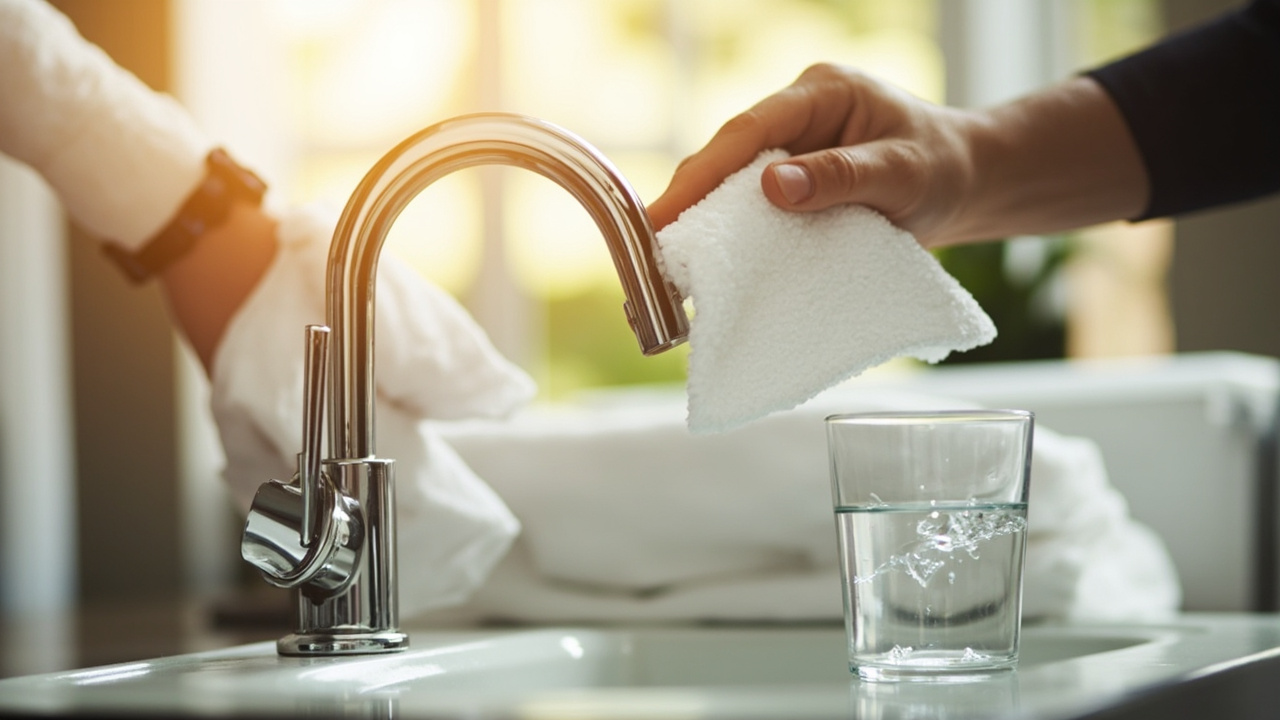
You see the evidence every day. Soap scum clings to your shower walls. Dishes come out of the dishwasher spotted and cloudy. Your clothes feel stiff after washing. These are not cosmetic problems. They signal that mineral deposits are building up inside your pipes, narrowing water flow and forcing your water heater to work harder.

The advantages of water softening systems go beyond convenience. Hard water reduces water heater efficiency by up to 30 percent. Scale buildup forces heating elements to cycle longer, burning more energy and accelerating tank corrosion. In Buffalo's freeze-thaw climate, weakened pipes are more vulnerable to winter bursts.

The pros of water softeners include tangible financial benefits. Soft water extends appliance life by years. Your dishwasher, washing machine, and water heater all operate at peak efficiency when mineral content is reduced. You use less detergent and soap because soft water lathers easily. Your skin and hair feel softer because soap residue rinses away completely.

Buffalo homeowners in the Elmwood Village, North Buffalo, and Parkside neighborhoods face the same challenge. The reasons to install a water softener are clear. You protect your investment, lower your monthly costs, and improve your daily quality of life. Ignoring hard water means accepting preventable damage and unnecessary expense.

Why Buffalo Homes Need Water Softeners More Than Most
How Water Softeners Solve Hard Water Problems

How Water Softeners Solve Hard Water Problems

Water softeners use ion exchange to remove calcium and magnesium from your water supply. The system contains a resin tank filled with sodium-charged beads. As hard water flows through the resin, calcium and magnesium ions swap places with sodium ions. The result is soft water that flows to every tap, appliance, and fixture in your home.

The process is automatic. A control valve monitors water usage and regenerates the resin bed when needed. During regeneration, brine solution flushes accumulated minerals into your drain and recharges the resin beads with sodium. This happens overnight when water demand is low.

The advantages of soft water appear immediately. Scale buildup stops. Existing deposits gradually dissolve. Your water heater operates at designed efficiency. Appliances last longer because mineral deposits no longer coat heating elements and moving parts.

Proper sizing determines effectiveness. A family of four in a typical Buffalo home uses about 300 gallons per day. We calculate grain capacity based on your water hardness level and daily consumption. Buffalo water typically measures between 10 and 15 grains per gallon. An undersized system regenerates too frequently and wastes salt. An oversized system wastes water during regeneration.

Installation requires connection to your main water line, a dedicated drain for regeneration, and access to electricity for the control valve. We install a bypass valve so you can service the system without shutting off your home's water supply.

Hard water treatment benefits extend to every water-using appliance and fixture. Your coffee maker, ice maker, and humidifier all perform better with soft water. Toilets and sinks stay cleaner longer. Glass shower doors resist soap scum. These small improvements add up to significant time savings and reduced maintenance costs.

What Happens During Water Softener Installation

Benefits of Water Softeners in Buffalo – Protect Your Pipes and Appliances from Lake Erie's Hard Water
01

Water Testing and Sizing

We test your water to measure hardness level, iron content, and pH balance. These factors determine the right system capacity and resin type. We calculate your household's daily water consumption based on occupancy and usage patterns. This data guides equipment selection so your system regenerates at the optimal frequency without wasting salt or water.
02

System Installation and Plumbing

We cut into your main water line after the pressure regulator but before branch lines split off to different areas of your home. The softener connects inline with unions and a bypass valve. We run a drain line for regeneration discharge and connect the power supply to the control valve. All connections use code-compliant materials suited for Buffalo's water chemistry and pressure levels.
03

Programming and Calibration

We program the control valve based on your water test results and consumption patterns. The system learns your usage over the first week and adjusts regeneration timing. We add salt to the brine tank and run an initial regeneration cycle to confirm proper operation. You receive instructions on salt refills, cleaning schedules, and how to adjust settings if your household size changes.

Why Buffalo Homeowners Choose Local Water Softener Expertise

Buffalo's water chemistry varies by neighborhood. Homes near the Niagara River face different mineral content than properties in Cheektowaga or Tonawanda. We understand these variations because we test water and install systems throughout Erie County every week.

Local expertise matters when sizing equipment. A system sized for Cincinnati water fails in Buffalo. We account for seasonal fluctuations in water hardness and the specific mineral profile of Great Lakes region groundwater. This knowledge prevents undersizing mistakes that leave you with hard water problems despite having a softener installed.

Code compliance protects your investment. Buffalo requires backflow prevention devices on water softener installations. We install dual check valves or reduced pressure zone devices based on your property's risk classification. Inspectors know our work meets local standards because we follow Erie County plumbing codes on every installation.

Temperature extremes test equipment durability. Buffalo's winters drop below zero. Summer humidity reaches 80 percent. We install systems in conditioned spaces when possible and use insulated enclosures for garage or basement installations. Control valves and resin tanks must withstand temperature swings without failing.

Your water heater works in partnership with your softener. We verify that your existing water heater can handle increased efficiency. Some older units develop problems when scale deposits that were insulating corroded areas suddenly dissolve. We spot these risks during installation and recommend proactive replacements when needed.

Patriot Plumbing Buffalo has installed water softeners in historic homes near Delaware Park and new construction in Lancaster. We know how to route drain lines in tight crawl spaces, navigate century-old plumbing, and integrate modern softeners with existing systems. This experience means fewer callbacks and better long-term performance.

What to Expect When You Install a Water Softener

Installation Timeline and Scheduling

Most water softener installations take three to five hours from start to finish. We schedule appointments during business hours Monday through Saturday. You will be without water for approximately 90 minutes while we cut into your main line and make connections. We bring all necessary tools, fittings, and materials so the job completes in one visit. If your installation requires electrical work or extensive repiping, we communicate timeline changes before starting. You can use water normally within two hours of completion.

Pre-Installation Assessment Process

We inspect your mechanical room or basement to identify the best installation location. The system needs access to a drain, electrical outlet, and main water line. We measure your available space and verify adequate clearance for salt loading. You receive upfront pricing that includes the softener, installation labor, materials, and disposal of packing materials. We discuss salt-based versus salt-free systems and explain why ion exchange softeners deliver true hardness removal. You make informed decisions based on your water test results and budget.

Performance and Water Quality Results

You notice softer water immediately at every tap. Soap lathers easily. Dishes dry without spots. Your skin feels less dry after showering. Within weeks, existing scale deposits begin dissolving from your water heater and pipes. Your water heater recovers faster and maintains temperature more consistently. Monthly energy bills drop because your water heater operates at designed efficiency. Appliances that use water run quieter and last longer. These improvements compound over years into significant cost savings and reduced maintenance.

Maintenance and Ongoing Care

Water softeners require minimal maintenance. You refill the salt every four to eight weeks depending on water usage and hardness level. Once yearly, you clean the brine tank to remove sediment buildup. We offer annual service visits that include resin bed inspection, control valve testing, and system cleaning. The resin bed lasts 10 to 15 years with proper care. Control valves typically operate trouble-free for 15 to 20 years. We stock replacement parts for all major brands and provide same-day service when components fail.

Frequently Asked Questions

You Have Questions,
We Have Answers

What are the downsides of a water softener? +

Water softeners add sodium to your drinking water through the ion exchange process. If you follow a low-sodium diet, this can be a concern. Installation costs range from moderate to high depending on your home's plumbing. You will need to buy salt regularly and maintain the system with periodic cleaning. Softeners also discharge brine wastewater during regeneration cycles. Some people miss the mineral taste of hard water. In Buffalo, where hard water is common, the benefits typically outweigh these downsides for most households.

Is it healthier to drink hard or soft water? +

Hard water contains beneficial minerals like calcium and magnesium that support bone health and heart function. Soft water replaces these minerals with sodium, which can increase your daily sodium intake. For most people, the difference is minimal since you get minerals from food. Hard water is technically healthier for drinking, but the sodium added by softeners is usually negligible unless you are on a strict low-sodium diet. Buffalo residents often install a bypass tap at the kitchen sink to keep one source of hard water for drinking and cooking.

Does water softener have health benefits? +

Water softeners benefit your skin and hair by reducing mineral buildup that causes dryness and irritation. Soft water helps soap and shampoo lather better, which means you use less product and rinse more thoroughly. This can improve conditions like eczema or dry scalp. Your appliances last longer without scale buildup, reducing exposure to corrosion byproducts. Soft water prevents mineral deposits in pipes, which can harbor bacteria. In Buffalo's cold climate, softer water also heats more efficiently, reducing energy costs and potential carbon monoxide risks from overworked water heaters.

Who should not drink softened water? +

People on sodium-restricted diets should avoid drinking softened water or install a reverse osmosis system at their drinking tap. Infants under six months should not consume softened water when mixing formula due to their developing kidneys and sodium sensitivity. Those with hypertension or kidney disease should consult their doctor before drinking softened water regularly. Buffalo residents can install a dedicated hard water line to the kitchen sink for drinking and cooking while enjoying soft water benefits throughout the rest of the home for bathing and laundry.

Why are states banning water softeners? +

Some states restrict salt-based water softeners due to environmental concerns about brine discharge into wastewater systems and waterways. The sodium chloride in regeneration cycles can harm aquatic ecosystems and increase treatment costs for municipal water plants. California and Texas have enacted regional bans or require high-efficiency models. New York State has not banned water softeners, but Buffalo residents should check local ordinances. Alternative systems like salt-free conditioners or potassium chloride softeners address environmental concerns while still reducing scale buildup in your plumbing and appliances.

How long does a 40 lb bag of water softener salt last? +

A 40-pound bag of water softener salt typically lasts one to two months for an average Buffalo household of four people. Usage depends on your water hardness level, daily water consumption, and system size. Buffalo's water hardness varies by neighborhood, with some areas measuring higher than others. Larger families use more water and need salt more frequently. Check your brine tank monthly. The salt level should stay above the waterline. Buying salt in bulk during winter months is smart since Buffalo weather can make hauling bags difficult.

Can you brush your teeth with softened water? +

Yes, you can safely brush your teeth with softened water. The sodium content is too low to cause harm during normal oral hygiene. Softened water actually helps toothpaste lather better and rinse away more completely. Some people prefer hard water for drinking and cooking but use soft water throughout the rest of their Buffalo home. If you are concerned about sodium intake, install a reverse osmosis filter at your bathroom sink or use bottled water for brushing. Most dental professionals confirm that softened water poses no risk to oral health.

What are 5 signs of hard water? +

White crusty buildup around faucets and showerheads signals hard water. Soap and shampoo do not lather well and leave a filmy residue on your skin and hair. Dishes and glassware show spots and streaks after washing. Laundry feels stiff and colors fade faster than normal. Water-using appliances like dishwashers and water heaters fail prematurely or require frequent descaling. Buffalo residents commonly see these signs due to naturally high mineral content in local groundwater. A water test confirms hardness levels and helps you choose the right treatment system for your home.

What is the #1 healthiest water to drink? +

Spring water and mineral water rank highest for health benefits because they contain natural minerals like calcium and magnesium without contaminants. Filtered tap water is also excellent if your filtration system removes chlorine, lead, and other impurities while retaining beneficial minerals. Reverse osmosis water is very pure but strips out healthy minerals, so remineralization filters help. Buffalo tap water meets safety standards but tastes heavily chlorinated to some residents. The healthiest choice depends on your local water quality, budget, and taste preferences. Test your water first to identify specific concerns.

Who should not use a water softener? +

People on low-sodium diets, those with high blood pressure, and individuals with kidney disease should avoid using water softeners without medical guidance. Homes with lead pipes should not install softeners because soft water can increase lead leaching. Those who prefer the taste of mineral-rich water or want dietary minerals from their drinking water should skip softening or install a bypass line. Buffalo homeowners with newer copper plumbing and no health restrictions benefit most from whole-house softeners while keeping one hard water tap for drinking and cooking purposes.

How Great Lakes Geology Makes Water Softeners Essential in Buffalo

Buffalo sits on limestone bedrock that extends throughout Western New York and Southern Ontario. Groundwater dissolves calcium carbonate as it percolates through this rock, creating some of the hardest water in the Northeast. Lake Erie's proximity does not soften your water. Municipal treatment plants remove contaminants and adjust pH, but they do not remove hardness minerals. Your home receives water with 10 to 15 grains per gallon of dissolved calcium and magnesium. The advantages of water softening systems are magnified in Buffalo because the hardness problem is geologic, not seasonal.

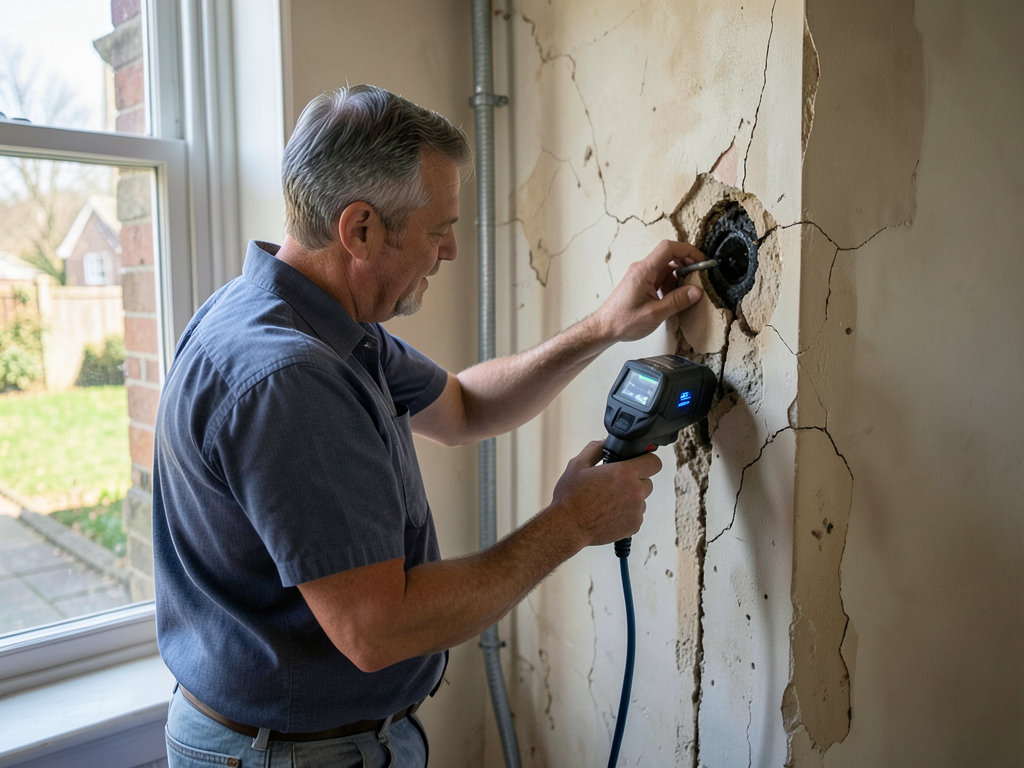
Buffalo's housing stock includes homes built between 1890 and 1950 with original galvanized steel pipes. Hard water accelerates corrosion in these older systems. Scale buildup combines with rust to create flow restrictions that reduce water pressure. Local plumbers understand how hard water interacts with Buffalo's aging infrastructure. We recommend water softeners as preventive maintenance for homes with original plumbing. The reasons to install a water softener include protecting your pipes from the inside out, which is cheaper than repiping.
Plumbing Services in The Buffalo Area

We are proud to serve our community and invite you to explore our service area. Whether you need a quick repair or a major installation, our team is ready to assist you. Our commitment extends throughout the region, ensuring every home and business has access to top-tier plumbing services. We look forward to being your trusted local partner and demonstrating why we are the right choice for all your plumbing needs.

Address:
Patriot Plumbing Buffalo, 737 Delaware Ave, Buffalo, NY, 14209

Additional Services We Offer

Our news updates

Latest Articles & News from The Blogs

The Ultimate Plumbing Inspection Checklist for Parkside Home Buyers Buying a home in Parkside means investing in one of Buffalo’s…

The Ultimate Plumbing Inspection Checklist for Parkside Home Buyers

The Ultimate Plumbing Inspection Checklist for Parkside Home Buyers Buying a home in Parkside means investing in one of Buffalo’s…

How to Stop Your Depew Basement Floor Drain from Backing Up

How to Stop Your Depew Basement Floor Drain from Backing Up When sewage or water starts rising from your basement…

Maintaining the Historic Radiator and Boiler Systems in Buffalo University District Homes

Maintaining the Historic Radiator and Boiler Systems in Buffalo University District Homes \n\n The University District’s century-old radiator systems face…

Contact Us

Stop fighting hard water stains and wasted energy. Call Patriot Plumbing Buffalo at (716) 317-6655 for a free water test and installation quote. We size systems correctly and install them right the first time.