Menu

Water Stains on Ceiling or Walls in Buffalo – Expert Diagnosis Stops Hidden Leaks Before Structural Damage

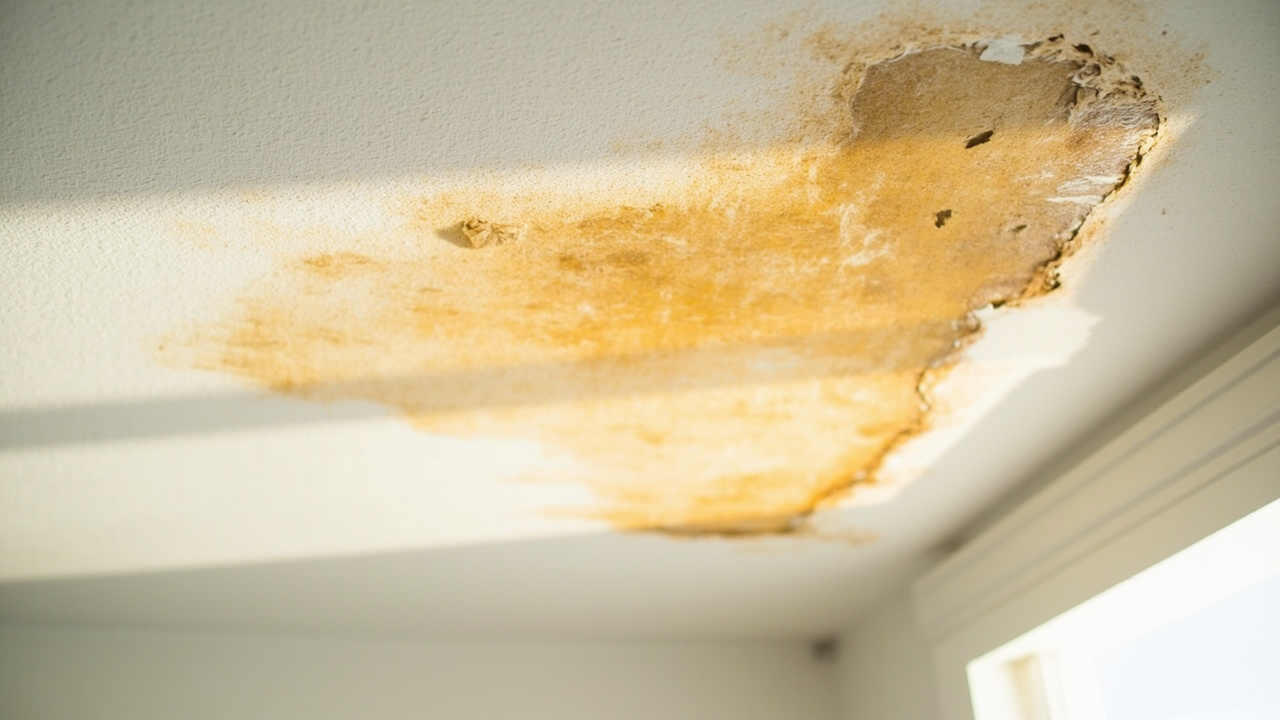
Those brown spots and yellow water marks on your ceiling or walls signal active plumbing failures that spread through drywall and insulation. We pinpoint the source, explain what's failing, and stop the leak before mold takes hold.

Slider Image 1
Slider Image 2
Slider Image 3
Slider Image 4
Slider Image 5
Slider Image 7
Slider Image 8
Slider Image 9
Slider Image 10
Slider Image 11

Why Water Stains Show Up in Buffalo Homes and What They Really Mean

You walk into your bathroom or bedroom and notice brown spots on the ceiling. Maybe you see damp patches on walls near a window or yellow water marks spreading across drywall. Your first instinct is to paint over it. That is the worst thing you can do.

Water stains are not cosmetic problems. They are symptoms of active plumbing failures, roof leaks, or condensation issues that are soaking the structure behind your walls. In Buffalo, our freeze-thaw cycles make this worse. When temperatures swing from below freezing to above 40 degrees repeatedly through winter and spring, pipes expand and contract. Joints loosen. Pinhole leaks start. Water migrates through insulation and drywall, sometimes traveling several feet before it shows up as ceiling discoloration from leak on a surface you can see.

The longer you wait, the worse it gets. Moisture stains on drywall mean the wood framing behind it is wet. Wet wood grows mold within 48 hours. Wet wood also rots. What starts as a small leak can compromise ceiling joists or wall studs if ignored for months.

Buffalo's older housing stock makes this even more common. Many homes in neighborhoods like Elmwood Village and North Buffalo were built between 1900 and 1950. Original galvanized steel pipes are failing. Cast iron stacks are corroding from the inside. Second-floor bathrooms are directly above first-floor living spaces, so when a wax ring fails or a supply line cracks, you see it fast.

Do not assume the stain is old or dry. If the discoloration has a darker center or feels cool to the touch, water is still moving. You need a plumber who can trace the source, not a handyman who will patch and paint.

Why Water Stains Show Up in Buffalo Homes and What They Really Mean
How We Trace the Leak Behind Your Water Stains

How We Trace the Leak Behind Your Water Stains

Water rarely shows up where it originates. A leak in a second-floor bathroom can travel along a joist and appear in a first-floor hallway. A pinhole in a supply line behind a wall can soak insulation for weeks before you see a stain. That is why guessing does not work.

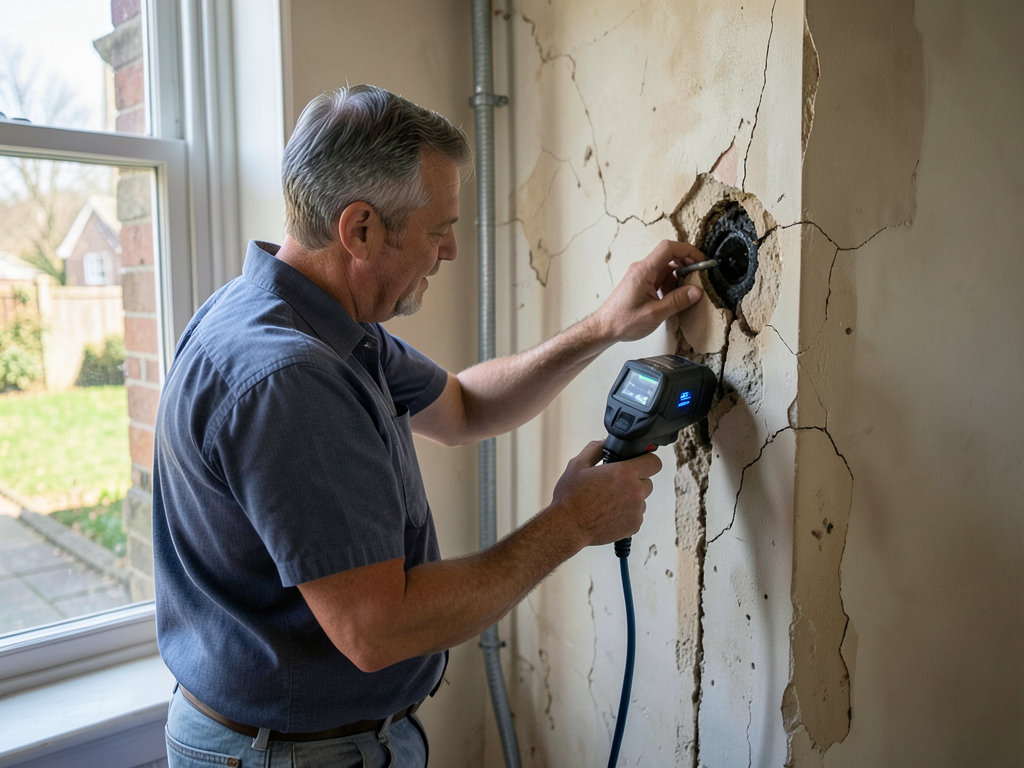
We start with a visual inspection of the stained area. We check for soft spots, measure moisture content with a moisture meter, and look for patterns. A circular stain with a dark ring usually means an active drip. A long, narrow stain along a wall-ceiling joint often means a roof leak or ice dam runoff. Horizontal streaks suggest a supply line or drain failure inside the wall cavity.

Next, we trace plumbing routes. We map where supply lines, drain lines, and vent stacks run through the walls and ceilings above the stain. In Buffalo homes, cast iron vent stacks often run through interior walls and develop pinhole leaks at joints. Copper supply lines can corrode where they contact steel framing or aluminum wiring. PEX lines can fail at crimp connections if installed incorrectly.

If the source is not obvious, we use thermal imaging to detect temperature differentials behind drywall. Cold spots indicate evaporating water. We also perform pressure tests on supply lines and dye tests on drain lines to confirm or rule out specific failures.

Once we locate the source, we explain what failed, why it failed, and what needs to happen next. If the leak damaged framing or insulation, we tell you. If mold is likely, we tell you. We do not upsell. We give you the information you need to make the right decision. Then we fix the plumbing failure correctly so the stain does not come back.

What Happens When You Call Us About Ceiling or Wall Stains

Water Stains on Ceiling or Walls in Buffalo – Expert Diagnosis Stops Hidden Leaks Before Structural Damage
01

Source Detection

We inspect the stained area and the plumbing routes above and around it. Using moisture meters and thermal imaging, we trace where the water is coming from. We check supply lines, drain connections, vent stack joints, and roof penetrations. You get a clear explanation of what is leaking and why it is showing up where you see it.
02

Plumbing Repair

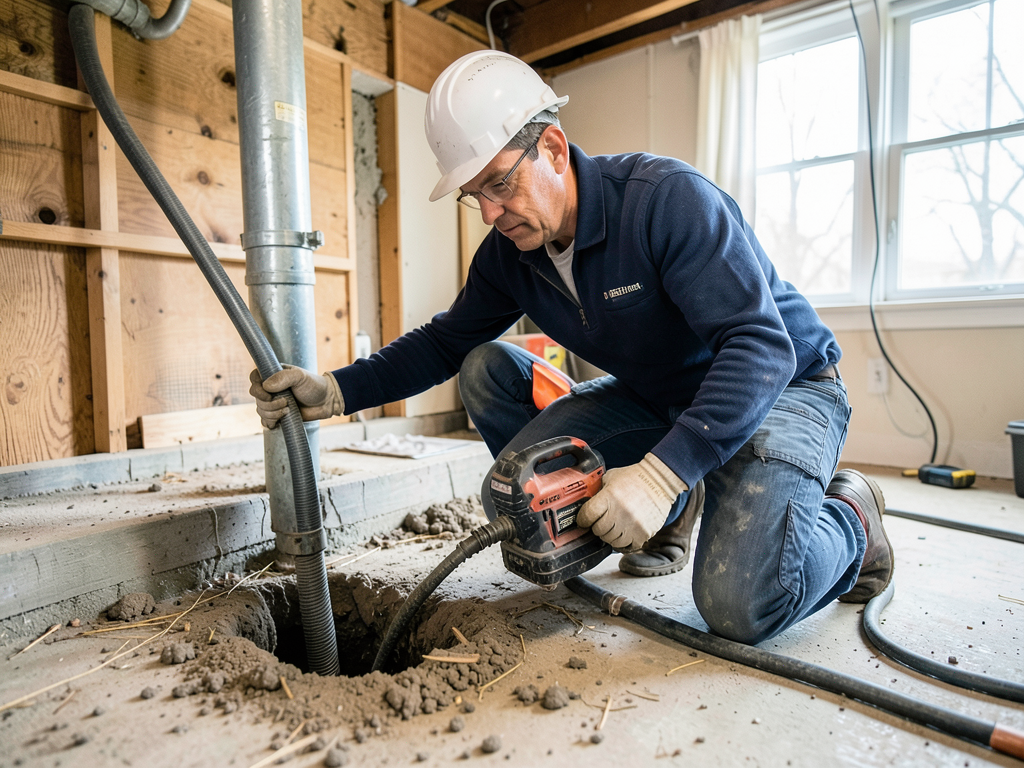
Once we confirm the source, we access the failed component and repair or replace it. This might mean cutting into drywall to reach a supply line, replacing a corroded vent stack section, or re-soldering a leaking joint. We use code-compliant materials and methods so the repair lasts. We explain what we are doing and show you the failed part.
03

Dryout and Prevention

After the leak is fixed, we verify the area is drying properly. We advise whether you need mold remediation or structural drying before closing walls. We also identify other vulnerable points in your plumbing system so you can address them before they fail. You leave knowing the source is fixed and what to watch for going forward.

Why Buffalo Homeowners Trust Us With Leak Detection

Leak detection is not glamorous work. It requires patience, experience with older plumbing systems, and the ability to think in three dimensions. You cannot see inside walls. You have to understand how water moves through a structure and where failures are most likely based on the age and type of materials installed.

We have worked in Buffalo homes for years. We know the difference between a 1920s galvanized steel system and a 1970s copper repipe. We know where cast iron stacks typically fail. We know how ice dams affect roof valleys and where condensation forms in poorly insulated attics. That local knowledge matters when you are trying to find a leak that is soaking drywall but not dripping.

We also understand Buffalo building codes and what is required when you open walls or ceilings. If we have to cut into a wall to access a leaking pipe, we know what fire blocking or insulation requirements apply when we close it back up. We coordinate with your contractor or tell you exactly what needs to happen next so you do not get halfway through a repair and run into a code violation.

Most importantly, we do not oversell. If the stain is from a roof leak, we tell you to call a roofer. If the problem is condensation from a poorly vented bathroom fan, we explain that and suggest solutions. We only fix what is broken. We do not sell you a whole-house repipe because you have one leaking joint.

You get honest answers, accurate diagnosis, and a repair that stops the leak. That is what matters when you are dealing with water damage that is spreading behind walls you cannot see into.

What to Expect When We Investigate Your Water Stains

Response Time

We schedule leak investigations within 24 to 48 hours for non-emergency stains. If the stain is actively growing or you see dripping, we treat it as an emergency and respond the same day. Water damage spreads fast. The sooner we locate the source, the less drywall, insulation, and framing you have to replace. We arrive on time, assess the situation quickly, and give you a clear timeline for locating and repairing the leak.

Diagnostic Process

We do not guess. We use moisture meters to measure drywall and framing dampness. We use thermal imaging to detect temperature changes behind walls. We pressure-test supply lines and run dye through drains to confirm or rule out specific failures. You stay informed through every step. We explain what we are checking, what we find, and what it means. If we need to cut into drywall to confirm the source, we tell you before we cut.

Repair Quality

Once we locate the leak, we fix it correctly. We use code-compliant materials and follow manufacturer installation guidelines. If we replace a section of copper supply line, we solder joints properly and pressure-test before we close the wall. If we replace a drain connection, we use the correct fittings and ensure proper slope. We do not patch and hope. We fix the failure so it does not come back. You get a repair that lasts.

Follow-Up Guidance

After the plumbing repair is complete, we walk you through what happens next. If the drywall is wet, we explain how long it takes to dry and when mold becomes a concern. If insulation is soaked, we recommend replacement. We also point out other vulnerable areas in your plumbing system so you can address them proactively. You leave knowing the leak is fixed and what to monitor going forward.

Frequently Asked Questions

You Have Questions,
We Have Answers

Why is there a water stain on my ceiling but no leak? +

You might see a stain from an old leak that already dried. Buffalo's freeze-thaw cycles cause pipes to burst, then self-seal when temperatures stabilize. Condensation from poor attic insulation also creates stains without active dripping. HVAC ducts sweat in humid summers, leaving rings on drywall. Sometimes the leak is intermittent, appearing only during heavy rain or snow melt. Check your attic after the next storm. Look for discolored insulation or damp wood. The stain tells you water entered at some point. Finding when and where requires inspection of plumbing, roof penetrations, and ventilation systems.

How to tell if water is leaking behind a wall? +

Watch for paint bubbling or peeling on walls. You will notice soft drywall that gives when pressed. Musty odors develop even without visible mold. Warped baseboards or discolored grout lines signal hidden moisture. In Buffalo homes, check exterior walls first after winter ice damming. Listen for dripping sounds inside walls during quiet hours. Use a moisture meter to detect dampness behind surfaces. Increased water bills with no usage change point to concealed leaks. Wallpaper buckling or dark streaks along wall seams confirm water intrusion. Professional thermal imaging reveals wet areas invisible to the naked eye.

Why am I getting wet spots on my ceiling? +

Wet spots mean active water intrusion. Roof leaks from damaged shingles or ice damming cause most ceiling stains in Buffalo. Upstairs bathroom leaks from toilet seals, shower pans, or supply lines drip into ceilings below. Condensation forms when warm indoor air meets cold attic surfaces during winter. HVAC condensate lines clog and overflow onto drywall. Attic ventilation problems trap moisture against roof sheathing. The spot location helps diagnose the source. Stains near exterior walls suggest roof issues. Stains under bathrooms point to plumbing failures. Get the ceiling checked before drywall damage spreads or mold grows.

Do water stains on the ceiling mean mold? +

Water stains create conditions for mold, but stains alone do not guarantee growth. Mold needs sustained moisture for 24 to 48 hours. Buffalo's humidity accelerates spore development once materials stay wet. Old, dry stains from resolved leaks rarely have active mold. Fresh, damp stains with musty odors likely harbor growth. Dark or fuzzy patches around stains confirm mold presence. Test the area with a moisture meter. Readings above 16 percent support mold colonization. Address the water source immediately. Dry materials within 48 hours to prevent spread. Professional mold remediation becomes necessary when growth covers large areas.

How to tell if water is leaking into a ceiling? +

Press the stained area gently. Soft, spongy drywall means active moisture. Fresh stains appear darker with defined edges. Old stains fade to yellow or brown with hard, crusty texture. Run your hand across the surface. Wet ceilings feel cool and damp. Check the attic above the stain for dripping, pooling water, or soaked insulation. Inspect after heavy rain or snow melt common in Buffalo. Water stains grow larger when leaks continue. Use a flashlight to spot mold or water trails on ceiling joists. Peeling paint or sagging drywall confirms ongoing leakage requiring immediate repair.

Can I just paint over a water stained ceiling? +

Painting over stains without fixing the leak causes repeated failure. The stain will bleed through new paint within weeks. Moisture damages drywall integrity, so the surface must dry completely first. Buffalo humidity slows drying time. Identify and repair the water source before cosmetic work. Apply stain-blocking primer after the area dries for 72 hours minimum. Check moisture levels with a meter before priming. Skipping this step wastes time and money. Painting traps moisture inside drywall, accelerating mold growth and structural decay. Fix the problem first, then restore the finish properly for lasting results.

How do plumbers determine behind the wall leaks? +

Plumbers use electronic leak detection to locate hidden pipe failures. Acoustic sensors pick up water flow sounds inside walls. Thermal imaging cameras reveal temperature differences where water travels. Pressure testing isolates drops in water lines. Moisture meters measure drywall wetness to map leak paths. Video cameras inspect inside drain lines for cracks. Tracer gas finds pinhole leaks in supply pipes. Buffalo's older homes with galvanized or copper piping benefit from non-invasive detection methods. Plumbers cut exploratory holes only after technology narrows the location. This approach minimizes wall damage and reduces repair costs while finding leaks quickly and accurately.

Does home insurance cover leak detection? +

Most homeowner policies cover sudden pipe bursts but exclude gradual leaks from deferred maintenance. Leak detection costs typically fall on you unless the insurer requires it to process a claim. Review your policy declarations page for water damage coverage limits. Buffalo homes with finished basements should verify sewer backup and sump pump coverage. Some insurers reimburse detection fees if a covered loss is confirmed. Document all leak evidence with photos before repairs. File claims promptly after discovery. Policies deny coverage for long-term seepage you should have noticed. Prevention and early detection protect your investment better than insurance alone.

How long does it take for a water leak to cause mold? +

Mold spores germinate within 24 to 48 hours in wet conditions. Buffalo's humidity accelerates growth when leaks go unnoticed. Porous materials like drywall, insulation, and wood absorb water quickly. Mold colonies become visible in three to five days. Hidden leaks behind walls create ideal dark, damp environments for rapid spread. Temperature between 60 and 80 degrees supports year-round growth in heated homes. Seasonal freeze-thaw cycles cause sudden pipe failures, soaking materials before you notice. Immediate water extraction and drying within 48 hours prevents colonization. Delayed response allows mold to penetrate deep into building materials, requiring professional remediation and material replacement.

What are signs of a serious ceiling issue? +

Sagging drywall signals structural failure from prolonged moisture exposure. Large, spreading stains indicate active, unresolved leaks. Visible mold growth requires immediate professional attention. Peeling paint or bubbling texture shows trapped water behind surfaces. Cracked ceiling plaster in Buffalo's older homes suggests joist damage from rot. Dripping water or pooling on floors means imminent ceiling collapse risk. Musty odors without visible stains point to hidden mold inside ceiling cavities. Discolored or warped ceiling tiles reveal chronic leakage. Multiple stains across one ceiling suggest systemic roof or plumbing failure. Address these issues immediately to prevent collapse, health hazards, and costly structural repairs.

How Buffalo's Freeze-Thaw Cycles Cause Hidden Pipe Failures That Show as Ceiling Stains

Buffalo winters are brutal on plumbing. When outdoor temperatures drop below 20 degrees, then spike back to 45 degrees a few days later, pipes expand and contract. This thermal cycling loosens joints, cracks solder connections, and creates pinhole leaks in copper supply lines. The damage happens inside walls where you cannot see it. Water seeps into insulation and drywall. By the time you notice brown spots on the ceiling or damp patches on walls, the leak has been active for weeks. Homes built before 1980 are especially vulnerable because older copper installations used thinner-wall pipe that corrodes faster in our water chemistry.

Buffalo plumbing systems also deal with hard water and chlorine that accelerate copper corrosion. Municipal water from the Niagara River has moderate hardness, but it contains enough dissolved minerals to pit copper over time. Add winter temperature swings and you get pinhole leaks at elbows and tees where stress concentrates. We understand how local conditions affect plumbing longevity. When we investigate ceiling discoloration from leak or moisture stains on drywall, we look for patterns common in Buffalo homes. That local knowledge helps us find the source faster and recommend repairs that account for our climate and water quality.
Plumbing Services in The Buffalo Area

We are proud to serve our community and invite you to explore our service area. Whether you need a quick repair or a major installation, our team is ready to assist you. Our commitment extends throughout the region, ensuring every home and business has access to top-tier plumbing services. We look forward to being your trusted local partner and demonstrating why we are the right choice for all your plumbing needs.

Address:
Patriot Plumbing Buffalo, 737 Delaware Ave, Buffalo, NY, 14209

Additional Services We Offer

Our news updates

Latest Articles & News from The Blogs

The Ultimate Plumbing Inspection Checklist for Parkside Home Buyers Buying a home in Parkside means investing in one of Buffalo’s…

The Ultimate Plumbing Inspection Checklist for Parkside Home Buyers

The Ultimate Plumbing Inspection Checklist for Parkside Home Buyers Buying a home in Parkside means investing in one of Buffalo’s…

How to Stop Your Depew Basement Floor Drain from Backing Up

How to Stop Your Depew Basement Floor Drain from Backing Up When sewage or water starts rising from your basement…

Maintaining the Historic Radiator and Boiler Systems in Buffalo University District Homes

Maintaining the Historic Radiator and Boiler Systems in Buffalo University District Homes \n\n The University District’s century-old radiator systems face…

Contact Us

Water stains do not fix themselves. Call Patriot Plumbing Buffalo at (716) 317-6655 and we will locate the source, explain what failed, and stop the leak before mold or structural damage forces a bigger repair.