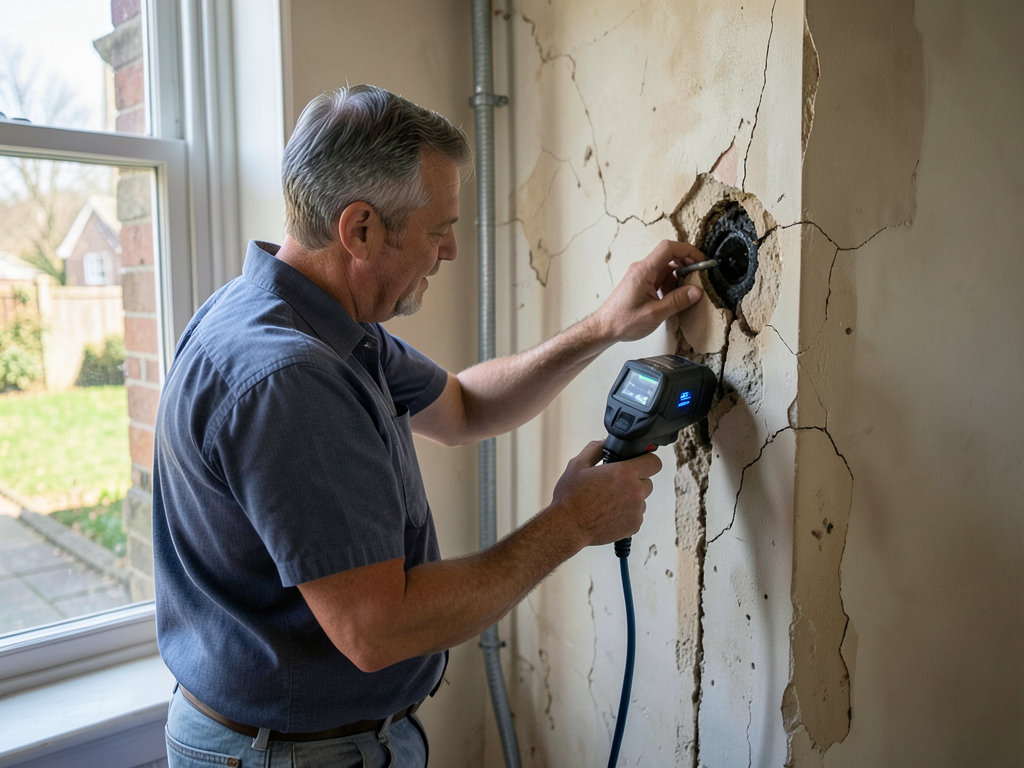
Buffalo's expansive clay soil holds moisture and swells during wet periods, then shrinks during dry spells. This constant movement stresses rigid sewer pipes, creating hairline cracks that widen over time. The city's intense winter freeze-thaw cycles compound this damage. When groundwater freezes in saturated clay, it expands with tremendous force, pushing against buried pipes. Spring thaws allow the ground to settle, sometimes unevenly, causing pipes to sag or separate at joints. Neighborhoods near Scajaquada Creek and the Buffalo River feature particularly challenging soil conditions due to historical creek beds and fill dirt used during development. These areas experience higher rates of sewer line failure, making regular inspections critical for properties built before 1970.
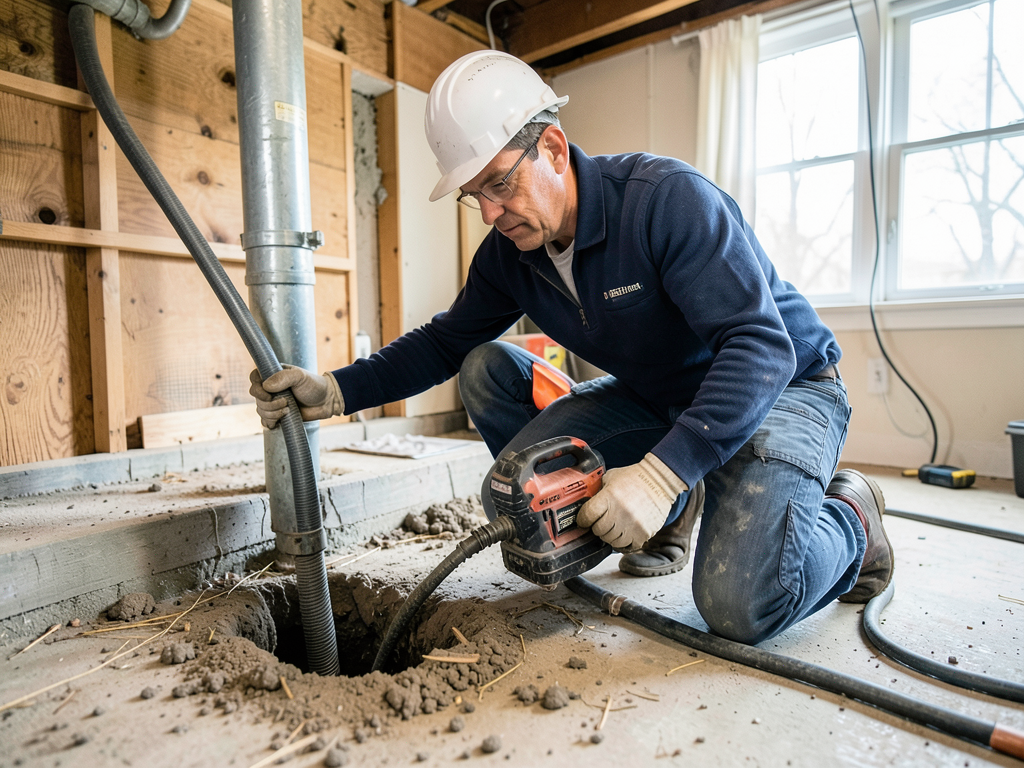
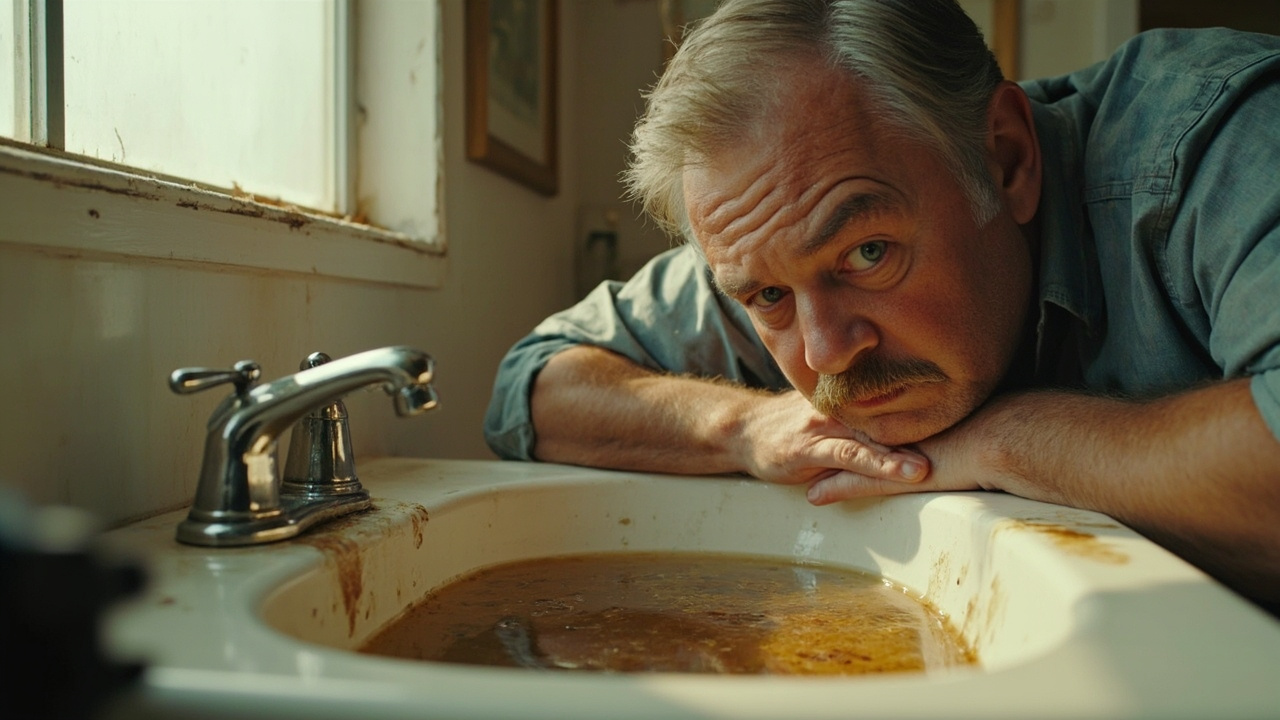
We work throughout Buffalo's diverse neighborhoods, from the historic homes in Elmwood Village to the post-war developments in North Buffalo. This experience taught us how different eras of construction used different sewer pipe materials, each with predictable failure patterns. Cast iron corrodes from the inside due to hydrogen sulfide gas produced by sewage breakdown. Clay pipe sections crack at joints when soil shifts. Orangeburg fiber pipe, used briefly in the 1950s, collapses after 50 years. We recognize these materials instantly during camera inspection and know their typical lifespan in Buffalo's conditions. This local knowledge helps us provide accurate repair timelines and cost expectations based on your home's age and location.