Menu

Shower & Bathtub Plumbing in Buffalo | Expert Fixture Installation and Repair for Every Home

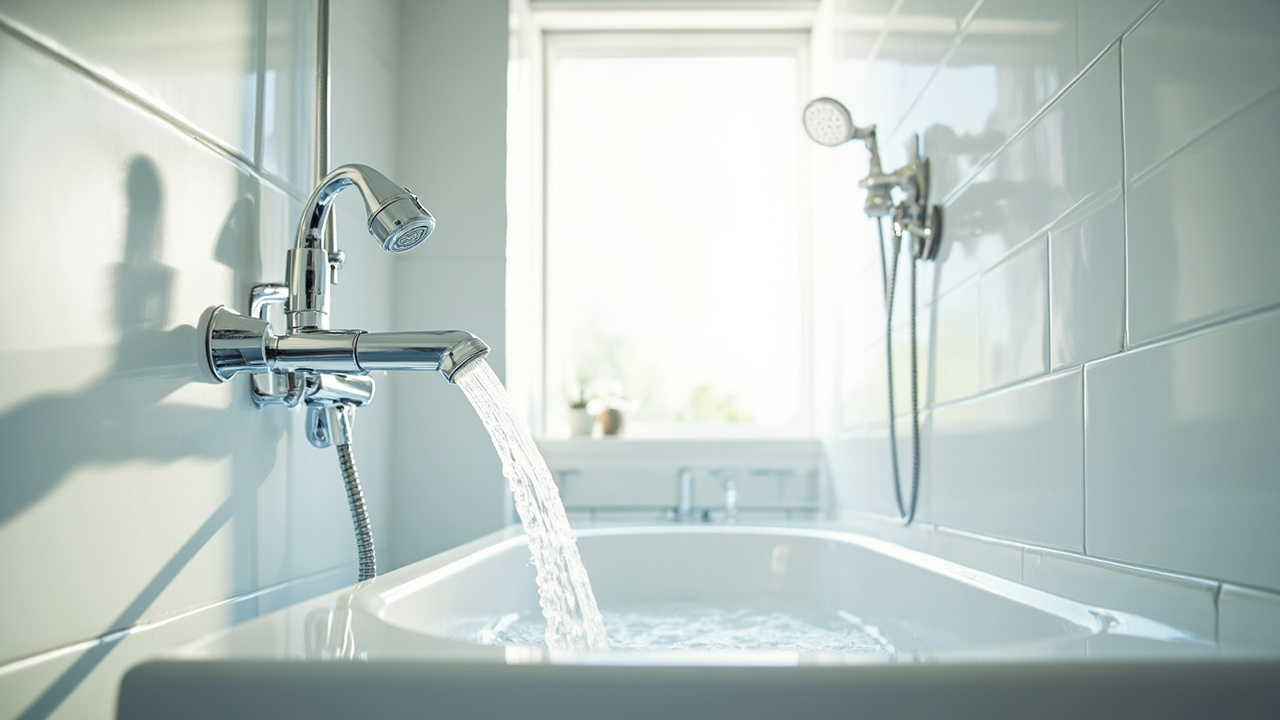
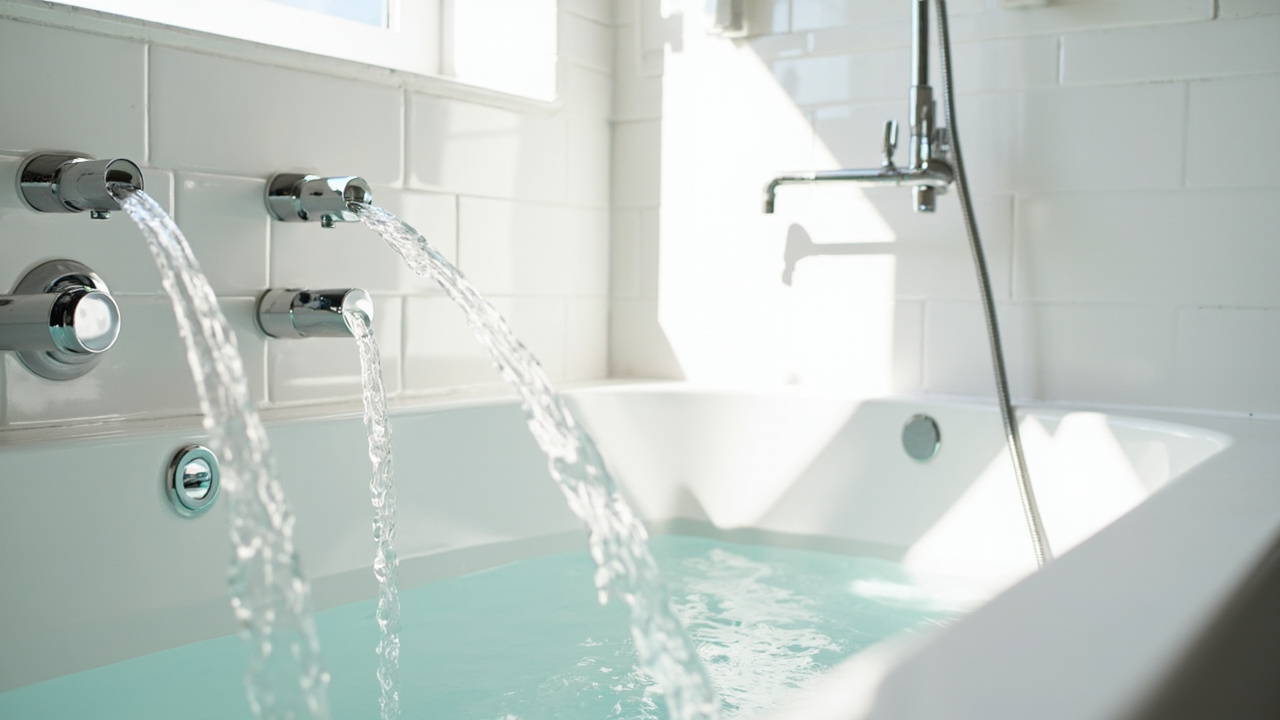
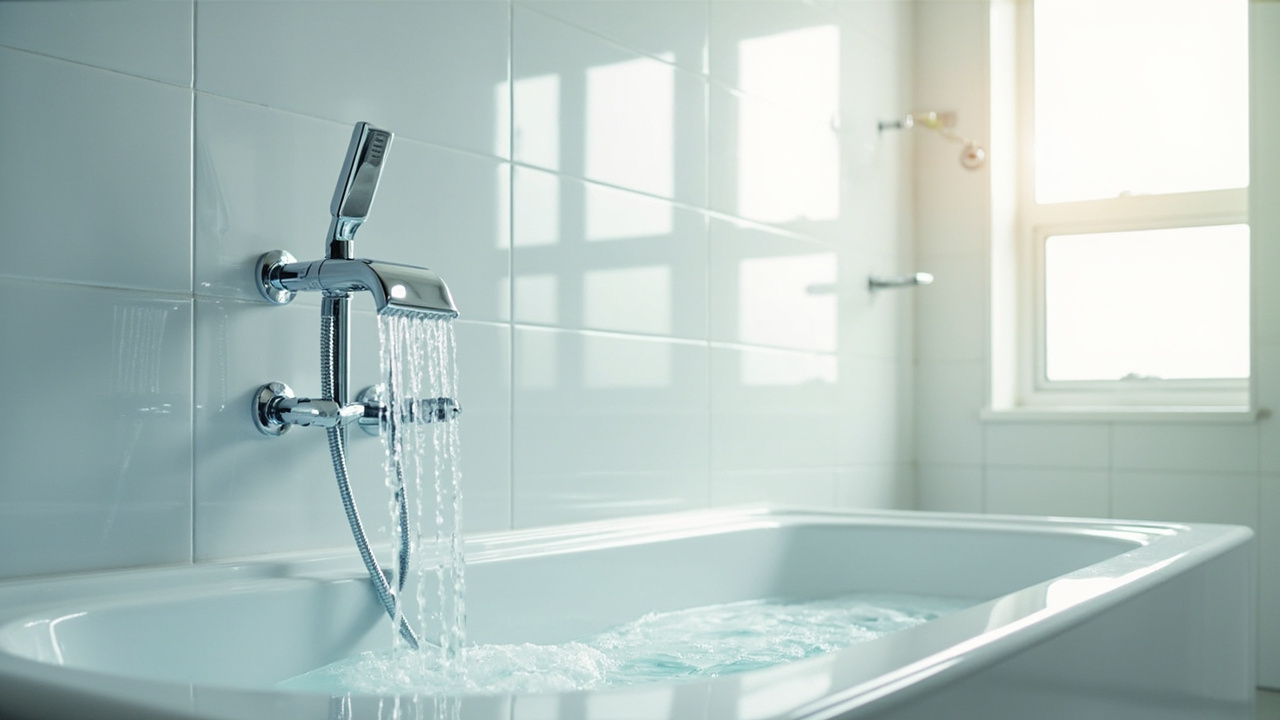
From stubborn clogs and corroded drain assemblies to complete tub and shower installations, Patriot Plumbing Buffalo delivers precise shower plumbing services that stand up to Buffalo's freeze-thaw cycles and hard water conditions.

Slider Image 1
Slider Image 2
Slider Image 3
Slider Image 4
Slider Image 5
Slider Image 7
Slider Image 8
Slider Image 9
Slider Image 10
Slider Image 11

Why Buffalo Bathrooms Demand Specialized Shower and Tub Plumbing

Buffalo's water chemistry and extreme temperature swings create a perfect storm for shower and bathtub problems. The Niagara Frontier's mineral-heavy water leaves calcium deposits inside shower valves and around tub drains. Over time, these deposits choke water flow and cause leaks. Winter's freeze-thaw cycle stresses supply lines running through exterior walls. When pipes contract and expand repeatedly, joints weaken and fittings crack.

You notice the symptoms gradually. Water pressure drops during your morning shower. The tub drains slower each week. A faint musty smell appears near the tile. Small drips turn into puddles. By the time you call, the damage often extends beyond the fixture itself. Subfloor rot, mold growth behind walls, and compromised structural framing are common secondary issues in Buffalo homes built before modern vapor barriers became standard.

Bathtub and shower repair in this climate requires more than swapping out a showerhead. The plumber must understand how Buffalo's older housing stock routes water through cast iron stacks and galvanized branch lines. Many homes in Elmwood Village, Allentown, and North Buffalo still have original 1920s plumbing. Mixing modern fixtures with aged supply lines demands knowledge of transition fittings, pressure balancing, and local code amendments. Tub and shower installation is not plug-and-play work when your house predates zoning ordinances. Bathtub fixture replacement must account for wall cavity access, joist spacing, and whether your drain assembly ties into a main stack or secondary branch. Shower plumbing services in Buffalo mean working aroundknob-and-tube wiring, plaster walls, and subfloors that shift with humidity.

Why Buffalo Bathrooms Demand Specialized Shower and Tub Plumbing
How We Approach Shower and Bathtub Plumbing in Buffalo Homes

How We Approach Shower and Bathtub Plumbing in Buffalo Homes

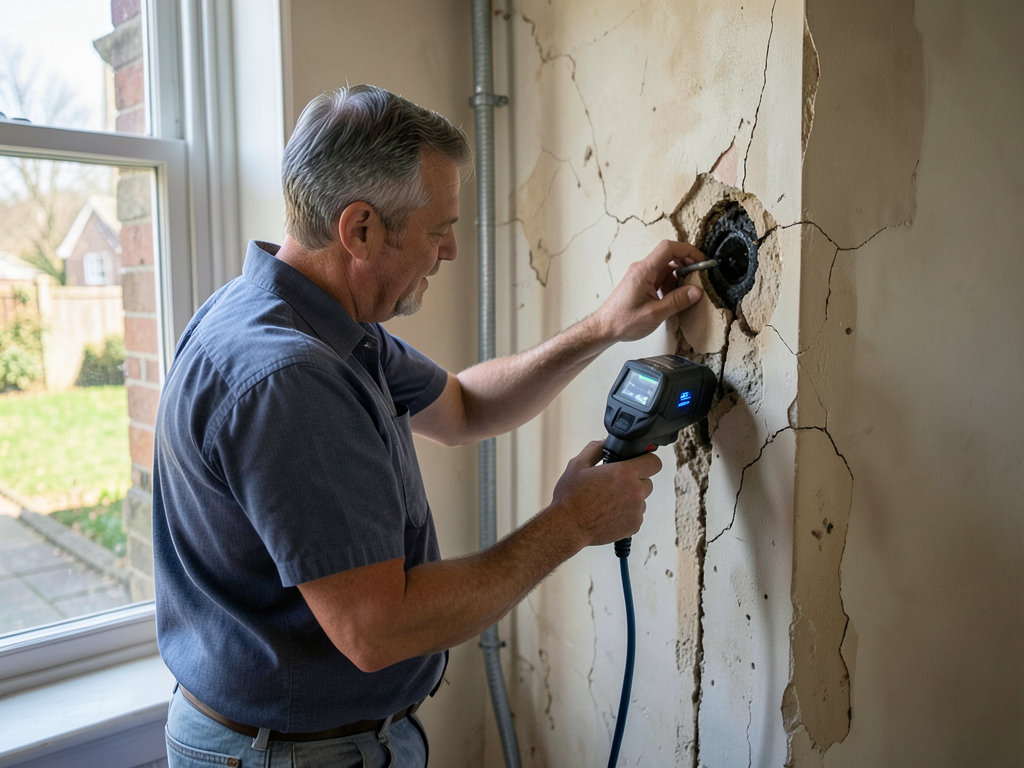
We start every bathtub and shower repair with a pressure test and drain camera inspection. This reveals hidden leaks, root intrusion in older clay laterals, and whether your trap assembly meets current vent requirements. Buffalo's housing density means shared walls and stacked plumbing. A leak in your shower pan can migrate two floors down before you see staining. We trace the water path using thermal imaging and moisture meters.

For tub and shower installation, we verify your floor joists can support the fixture load. A filled soaking tub weighs over 1,000 pounds. Older Buffalo homes have 2x8 joists on 16-inch centers. Modern codes demand 2x10 joists for heavy fixtures. We sister additional framing when needed and install proper blocking for grab bars and wall-mounted faucets. The rough-in phase determines whether your installation lasts five years or fifty. We replace old galvanized nipples with brass, upgrade shutoff valves to quarter-turn ball valves, and install expansion loops on hot water lines to absorb thermal movement.

Shower plumbing services include retrofitting pressure-balancing valves to prevent scalding when toilets flush. This is required by code in all new installations, but thousands of Buffalo bathrooms still have old single-handle mixers with no thermal protection. We also address venting issues common in balloon-framed houses. Without proper venting, traps siphon dry and sewer gas enters living spaces. Bathtub fixture replacement goes beyond cosmetic upgrades. We check the condition of the waste and overflow assembly, the integrity of the P-trap, and whether your drain slope meets the minimum quarter-inch per foot standard. Poor slope causes standing water and soap scum buildup that leads to chronic clogs.

What Happens During Your Shower or Bathtub Service Call

Shower & Bathtub Plumbing in Buffalo | Expert Fixture Installation and Repair for Every Home
01

Initial Diagnostic Assessment

We inspect visible fixtures, test water pressure at multiple points, and run water through drains while monitoring flow rate. For older homes, we check the condition of shutoff valves, examine wall cavities for moisture damage, and verify your supply lines are properly secured to framing. This diagnostic phase identifies not just the immediate problem, but underlying issues that could cause future failures.
02

Repair or Installation Work

Depending on your situation, we replace cartridges in shower valves, rebuild drain assemblies, install new tub and shower units, or re-plumb supply lines. All connections are tested under pressure before we close walls. For installations, we waterproof the shower pan with multiple layers of membrane, install backer board that resists moisture, and ensure all penetrations through the envelope are sealed properly to prevent mold growth.
03

Testing and Walkthrough

Before we leave, you see the system operating correctly. We run hot and cold water simultaneously, verify drain performance, check for leaks at all joints, and confirm water temperature stability. You receive documentation of the work performed, photos of any issues we discovered, and recommendations for maintenance. For new installations, we explain how to operate fixtures correctly and what to watch for during the first few weeks.

Why Buffalo Homeowners Trust Local Shower and Tub Expertise

Buffalo's plumbing infrastructure tells a story spanning 150 years. Downtown buildings have cast iron stacks from the 1890s. First-ring suburbs installed copper supply lines in the 1950s. Post-war ranch homes used galvanized steel that corroded from the inside out. Knowing what lies behind your walls determines whether a shower valve replacement is a two-hour job or a two-day project. Patriot Plumbing Buffalo has worked in every neighborhood from the Fruit Belt to South Buffalo. We know which streets still have lead service lines. We know where the clay sewer laterals crack under frost heave. We know which subdivisions have shallow well water that requires additional filtration.

This local knowledge prevents expensive mistakes. A plumber unfamiliar with Buffalo's building timeline might connect a modern PEX supply line directly to a galvanized nipple. The dissimilar metals corrode within months. A technician who has never worked on a pre-war duplex might not realize the shower on the second floor shares a vent stack with the kitchen sink below. Improper venting causes both fixtures to drain slowly and introduces sewer odors. We also understand Buffalo's inspection requirements. The city requires permits for any work involving supply line relocation or drain modifications. We pull permits, schedule inspections, and ensure your work passes on the first visit.

Our familiarity with local suppliers means faster turnaround on specialty parts. When you need a replacement cartridge for a 1980s Delta Monitor valve, we know which supply house stocks legacy components. When your clawfoot tub requires a freestanding filler with floor-mounted supply lines, we source the correct rough-in kit that meets local code. Speed matters when your only bathroom is out of service.

What You Can Expect From Our Shower and Bathtub Services

Response Time and Scheduling

We dispatch technicians the same day for emergency leaks and loss of hot water. Scheduled installations and non-urgent repairs are typically booked within 48 hours. Our trucks carry common valve cartridges, drain assemblies, supply lines, and fittings for most residential fixtures. This allows us to complete many repairs in a single visit. For installations requiring custom tile work or structural modifications, we coordinate with other trades to minimize disruption. You receive a text notification when the technician is 30 minutes away and a follow-up call to confirm the work meets your expectations.

Diagnostic Process and Estimates

The initial service call includes a complete evaluation of your shower or bathtub system. We provide a written estimate before beginning any work. For complex issues involving hidden leaks or structural damage, we explain your options in plain language. You will understand what needs immediate attention, what can wait, and what falls into preventive maintenance. We document findings with photos so you can see exactly what we see. If we discover code violations or safety hazards like cross-connections or backflow risks, we explain the liability and recommend solutions that fit your budget.

Quality of Materials and Workmanship

We install fixtures and components designed for Buffalo's water conditions. This means brass valves instead of plastic, reinforced supply lines with stainless steel braiding, and PEX piping rated for high-temperature applications. All joints are soldered or crimped to manufacturer specifications. We do not use compression fittings on concealed water lines because they loosen over time. For shower installations, we apply multiple waterproofing layers and use mold-resistant backer board. Every connection is pressure-tested before we close walls. You receive a detailed invoice listing all materials used and their grade.

Post-Service Support and Maintenance

After installation or repair, we provide care instructions specific to your fixture type. You learn how to clean aerators, when to replace shower cartridges, and how to prevent mineral buildup in hard water areas. We offer annual maintenance visits to inspect shutoff valves, test pressure-balancing devices, and clear drain lines before small clogs become big problems. If issues arise after service, we return to assess the situation at no additional diagnostic charge. Our goal is a bathroom that functions reliably through Buffalo's extreme temperature swings and heavy daily use.

Frequently Asked Questions

You Have Questions,
We Have Answers

Can a shower and tub share a drain? +

Yes, a shower and tub can share a drain if the drain line is sized correctly. Most Buffalo homes use a 2-inch drain pipe that handles both fixtures. The key is proper venting and slope to prevent slow drainage or backups. Older homes in neighborhoods like North Buffalo may have undersized galvanized pipes that restrict flow. A licensed plumber will verify your drain capacity, check for corrosion, and ensure the shared connection meets local code. If you notice gurgling sounds or slow drainage when using both fixtures, your drain line may need upsizing or cleaning.

How much does it cost to install plumbing for a shower? +

Shower plumbing installation in Buffalo typically involves rough-in piping, valve installation, and fixture connections. Cost factors include access to existing plumbing, pipe material (copper versus PEX), and whether walls need opening. Buffalo's older housing stock often requires extra work to reach antiquated galvanized pipes or cast iron drains. Homes built before 1960 may need full supply line replacement. Simple valve replacements cost less than complete rough-ins for new shower locations. Drain work adds expense, especially if you are relocating fixtures. Get a detailed estimate that includes any necessary permit fees required by the City of Buffalo.

What are common shower plumbing problems? +

Buffalo homeowners frequently deal with low water pressure from corroded galvanized pipes, especially in older West Side homes. Leaking shower valves cause water damage behind walls, worsened by freeze-thaw cycles that stress connections. Clogged drains result from hair buildup and soap residue in our hard water. Temperature fluctuations happen when toilets flush due to pressure imbalances in older plumbing systems. Dripping faucets waste water and indicate worn cartridges or washers. Cracked grout or caulking lets moisture penetrate walls, causing mold in Buffalo's humid summers. Address these issues quickly to prevent costly structural damage.

What plumbing is needed for a bathtub? +

A bathtub requires hot and cold supply lines, a drain assembly with overflow, and a P-trap. Buffalo code mandates proper venting to prevent siphoning and maintain drainage speed. Supply lines connect to a tub faucet or Roman tub filler, usually 1/2-inch copper or PEX. The drain shoe connects to a 1.5-inch or 2-inch waste line that ties into your home's main drain. Homes in Elmwood Village and Allentown often have cast iron drains that corrode over time. Freestanding tubs may need floor reinforcement in older homes with joist spacing issues. A licensed plumber ensures proper slope and venting.

What is the 4 minute shower rule? +

The 4-minute shower rule is a water conservation guideline suggesting you limit showers to four minutes to reduce water and energy use. While not a plumbing code requirement in Buffalo, it helps lower utility bills and eases demand on older water heaters common in our pre-war housing stock. Buffalo's hard water and aging infrastructure make efficiency important. Low-flow showerheads help you conserve without sacrificing pressure. This rule is more about sustainability than code compliance. If your water heater struggles to provide hot water for longer showers, you may have sediment buildup or an undersized tank for your household needs.

Do showers and tubs need p-traps? +

Yes, all showers and tubs require P-traps. This U-shaped pipe holds standing water that blocks sewer gases from entering your home. Buffalo code mandates P-traps on every plumbing fixture drain. The trap must be properly vented to prevent siphoning, which would empty the water seal. Older Buffalo homes sometimes have drum traps (cylindrical units hidden under floors), but these are outdated and prone to clogging. During bathroom renovations, replace drum traps with modern P-traps for easier maintenance. If you smell sewer odor near your tub or shower, the trap may have dried out or cracked, allowing gases to escape.

Is it cheaper to DIY or hire a plumber? +

For most Buffalo homeowners, hiring a licensed plumber saves money long-term. DIY work on shower and tub plumbing often leads to leaks, code violations, and water damage that costs far more to repair. Buffalo's older homes have quirks like hidden galvanized pipe, cast iron drains, and outdated rough-ins that require professional knowledge. Incorrect slope, improper venting, or faulty connections cause recurring problems. Insurance may not cover damage from unpermitted DIY work. Simple tasks like replacing a showerhead are fine, but valve installations, drain relocations, and supply line work need a professional who pulls permits and guarantees code compliance.

What is the most expensive part of a bathroom remodel? +

Moving plumbing fixtures is typically the most expensive part of a bathroom remodel in Buffalo. Relocating a tub or shower requires rerouting supply lines, drain pipes, and vent stacks, often through multiple floors. Buffalo's older homes have plaster walls, hardwood floors, and tight joist bays that increase labor. Cast iron drain removal adds cost and complexity. If you keep fixtures in their original locations, you save significantly. Water heater upgrades, subfloor repairs from old leaks, and mold remediation (common in our humid climate) also add expense. Plan your layout carefully to minimize plumbing relocation and control costs without sacrificing functionality.

Do I need a plumber or electrician to install a shower? +

You need both a plumber and an electrician for most shower installations in Buffalo. The plumber handles all water supply lines, drain connections, valve rough-ins, and fixture installations. The electrician wires any ventilation fans, heated floors, or electric water heaters. If you install a steam shower or whirlpool tub, both trades coordinate for GFCI protection and proper electrical capacity. Buffalo code requires dedicated circuits for some fixtures. Older homes in areas like Black Rock may need panel upgrades to support new electrical loads. Hire licensed professionals for each trade to ensure safe, code-compliant work that passes city inspections.

What is the 135 rule for plumbing? +

The 135 rule refers to a method for calculating proper vent sizing in drain-waste-vent systems. It states that the developed length of a vent (in feet) plus the fixture unit load cannot exceed 135 when using specific pipe diameters. This ensures adequate airflow to prevent trap siphoning and maintain drainage speed. Buffalo plumbers apply this when designing or modifying bathroom plumbing to meet code. Homes in older Buffalo neighborhoods often lack proper venting, causing slow drains and gurgling sounds. While useful for professionals, this calculation requires understanding fixture units and pipe sizing. Leave vent design to licensed plumbers familiar with local code requirements.

How Buffalo's Hard Water and Freeze-Thaw Cycles Affect Your Shower and Tub Plumbing

Buffalo's water supply, drawn primarily from Lake Erie, carries dissolved calcium and magnesium that precipitate out when heated. This limescale accumulates inside shower valves, around tub spouts, and within mixing cartridges. Over time, mineral deposits restrict water flow and cause valves to stick or fail to seal completely. The freeze-thaw cycle compounds these issues. Supply lines running through exterior walls or unheated spaces contract during January cold snaps and expand in spring. Repeated expansion and contraction fatigues copper joints and cracks older galvanized fittings. Homes in North Buffalo and Riverside, with uninsulated crawl spaces and pier foundations, experience these failures more frequently. Proper bathtub fixture replacement and shower plumbing services must account for these stressors by using mineral-resistant components and properly insulating exposed piping.

Buffalo's building codes have evolved significantly over the past century, but much of the housing stock predates modern plumbing standards. The city requires permits for any work involving water supply relocation or drain modifications. Inspectors verify proper venting, adequate slope on drain lines, and correct installation of pressure-balancing valves. Patriot Plumbing Buffalo maintains current relationships with city inspectors and understands local interpretation of state plumbing code. We know which older installations are grandfathered and which require upgrades to meet current safety standards. This local knowledge prevents failed inspections and ensures your shower and bathtub work passes on the first visit. For homeowners in historic districts like Elmwood Village or Allentown, we also navigate preservation committee requirements when exterior work affects the building envelope.
Plumbing Services in The Buffalo Area

We are proud to serve our community and invite you to explore our service area. Whether you need a quick repair or a major installation, our team is ready to assist you. Our commitment extends throughout the region, ensuring every home and business has access to top-tier plumbing services. We look forward to being your trusted local partner and demonstrating why we are the right choice for all your plumbing needs.

Address:
Patriot Plumbing Buffalo, 737 Delaware Ave, Buffalo, NY, 14209

Additional Services We Offer

Our news updates

Latest Articles & News from The Blogs

The Ultimate Plumbing Inspection Checklist for Parkside Home Buyers Buying a home in Parkside means investing in one of Buffalo’s…

The Ultimate Plumbing Inspection Checklist for Parkside Home Buyers

The Ultimate Plumbing Inspection Checklist for Parkside Home Buyers Buying a home in Parkside means investing in one of Buffalo’s…

How to Stop Your Depew Basement Floor Drain from Backing Up

How to Stop Your Depew Basement Floor Drain from Backing Up When sewage or water starts rising from your basement…

Maintaining the Historic Radiator and Boiler Systems in Buffalo University District Homes

Maintaining the Historic Radiator and Boiler Systems in Buffalo University District Homes \n\n The University District’s century-old radiator systems face…

Contact Us

Whether you need emergency bathtub and shower repair or want to discuss a complete installation, call (716) 317-6655 now. Our technicians are ready to diagnose your issue and deliver solutions that last through Buffalo's toughest conditions.