Menu

Smelly Drains & Sewer Odors in Buffalo – Expert Diagnosis and Permanent Fixes

From foul sewer gas odors to rotten egg smells, we identify the source of stinky bathroom drains and eliminate sewage smells in Buffalo homes fast.

Slider Image 1
Slider Image 2
Slider Image 3
Slider Image 4
Slider Image 5
Slider Image 7
Slider Image 8
Slider Image 9
Slider Image 10
Slider Image 11

Why Buffalo Homes Battle Persistent Drain and Sewer Odors

Buffalo's freeze-thaw cycles wreak havoc on your plumbing. When temperatures drop below freezing for weeks, then spike above 40 degrees, the ground shifts. Sewer lines crack. Vent pipes separate. Trap seals dry out.

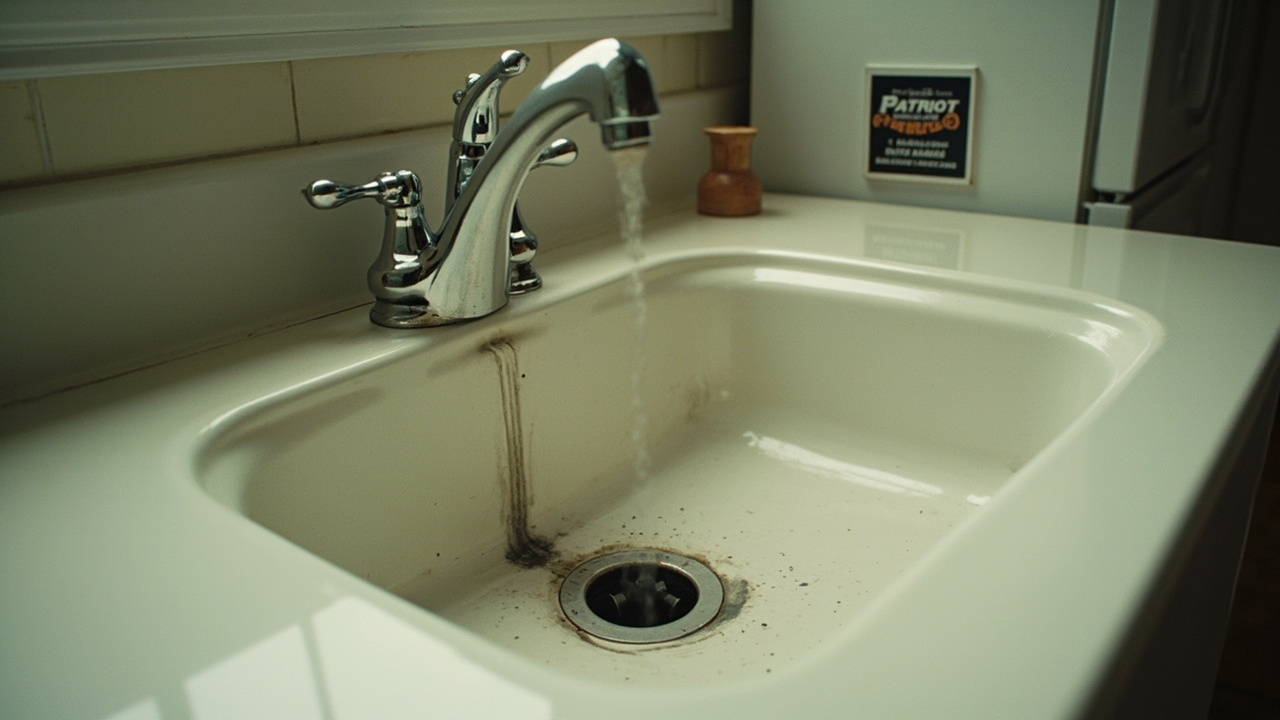
You smell it first in the basement. That unmistakable rotten egg smell from plumbing that makes you gag. Then the stinky bathroom drains upstairs start. Soon, the sewage smell in house becomes impossible to ignore.

Most homeowners assume it's a clog. They pour chemicals down the drain. The smell disappears for a day, then returns worse than before.

The real problem is hydrogen sulfide gas escaping from your drainage system. In older Buffalo neighborhoods like Allentown and Elmwood Village, cast iron drain lines corrode from the inside. The rough interior surface traps organic matter. Bacteria feed on it and produce that foul sewer gas odor you're smelling.

Clay sewer laterals common in Buffalo homes built before 1950 crack under freeze-thaw pressure. Tree roots from the mature maples and oaks lining Buffalo streets infiltrate these cracks. The roots create gaps that allow sewer gas to escape into your crawlspace or basement.

Unpleasant drain odors also come from dried P-traps. Buffalo's cold, dry winter air evaporates water from floor drains and guest bathroom sinks you rarely use. Once the water barrier disappears, nothing stops sewer gas from entering your home.

You're not imagining it. That smell is real, it's hazardous, and it signals a problem that worsens every day you ignore it.

Why Buffalo Homes Battle Persistent Drain and Sewer Odors
How We Locate and Eliminate Sewer Gas at the Source

How We Locate and Eliminate Sewer Gas at the Source

We don't mask odors. We find where the gas enters your home and stop it permanently.

Our diagnostic process starts with a smoke test. We introduce non-toxic theatrical smoke into your drainage system through a cleanout or roof vent. The smoke travels through every pipe, joint, and connection. Wherever smoke escapes, sewer gas escapes. We watch for smoke rising from floor drains, coming out around toilet bases, or seeping through foundation cracks.

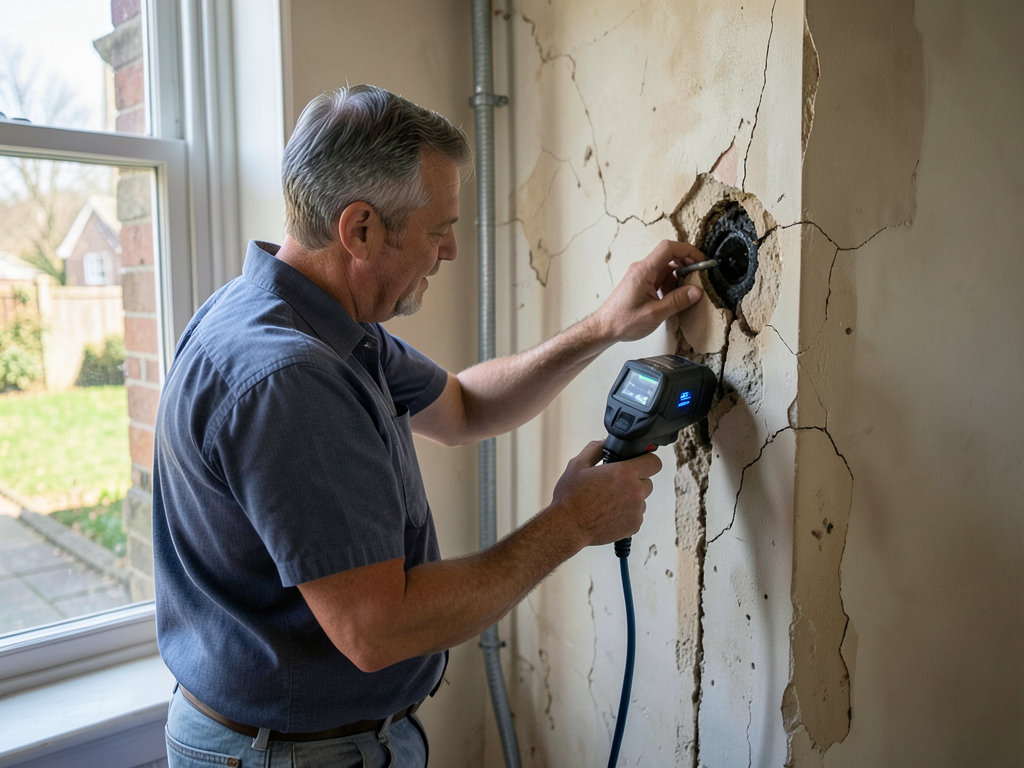
Next, we camera inspect your drain lines. A high-resolution fiber-optic camera mounted on a flexible cable travels through your pipes. We see corrosion, cracks, root intrusion, and failed joints in real time. The camera locates problems to the exact foot, so we know precisely where to intervene.

For P-trap issues, we test trap seal depth with a gauge. A proper trap holds at least two inches of water. Less than that, and sewer gas bypasses the barrier. We identify which fixtures have inadequate traps and why they're losing their seal.

We also inspect your vent stack. Every drain line needs proper venting to equalize pressure and prevent trap siphoning. Buffalo's old homes often have undersized vents or vents that terminate inside the attic instead of above the roofline. When vents fail, negative pressure sucks water out of traps and pulls sewer gas into your living space.

Once we identify the source, we explain exactly what failed and why. You see the camera footage. You understand the fix before we touch a wrench.

Then we repair it correctly. Cracked pipes get replaced, not patched. Failed traps get rebuilt to code. Inadequate vents get extended and properly sized.

What Happens During Your Sewer Odor Investigation

Smelly Drains & Sewer Odors in Buffalo – Expert Diagnosis and Permanent Fixes
01

Initial Smell Assessment

We walk through your home with you and identify where odors are strongest. We ask when you first noticed the smell, whether it's constant or intermittent, and if recent weather changes made it worse. This conversation narrows down potential sources before we run diagnostics. We check every drain, toilet, and floor opening. We inspect your basement, crawlspace, and utility areas where sewer lines run.
02

Smoke and Camera Testing

We pump smoke through your drainage system and watch for leaks. Simultaneously, we run a camera through accessible drain lines to document interior conditions. The camera feed shows you exactly what we see. Corroded cast iron looks like Swiss cheese. Root masses look like tangled hair blocking the pipe. You watch the inspection happen in real time, so there's no mystery about what's wrong.
03

Repair and Re-Test

After we complete repairs, we re-test the system. We run water through every fixture, flush every toilet, and ensure trap seals hold properly. We reintroduce smoke if needed to confirm no gas escapes. Before we leave, we verify you smell nothing. We also explain maintenance steps to prevent recurrence, like pouring water into floor drains monthly and scheduling annual camera inspections in older homes.

Why Buffalo Homeowners Trust Our Sewer Gas Solutions

We've diagnosed sewer odor problems in Buffalo homes for years. We know the difference between a dried trap in a Victorian brownstone and a failed wax ring in a 1960s ranch. We recognize how Buffalo's building code evolved and what that means for your plumbing.

Pre-1950 homes in neighborhoods like North Buffalo and West Side have cast iron stacks and clay laterals. We expect corrosion and root intrusion. We come prepared with camera equipment that navigates 90-degree bends in old drain lines.

Homes built in the 1970s and 1980s often have ABS or PVC drain lines, but installers sometimes skipped proper venting. We see this constantly in split-level homes where builders ran drains horizontally for long distances without adequate slope. Organic matter accumulates in these low spots, bacteria thrive, and hydrogen sulfide builds up.

Newer construction in developments like Clarence and Amherst typically has better venting, but we still find problems. Builders sometimes terminate vent stacks in the attic instead of running them through the roof. In winter, warm moist air from your drains condenses in the cold attic, freezes, and blocks the vent. Pressure issues follow, and trap seals fail.

We also understand Buffalo's municipal sewer system. If you're connected to city sewers, we know which neighborhoods have older combined sewer lines prone to backflow during heavy rain. If you have a septic system, we know how Erie County's clay-heavy soil affects drain field performance.

When we tell you what's wrong, you can trust the diagnosis. We've seen it before in homes just like yours.

What to Expect When We Investigate Your Sewer Odor Problem

Same-Day Diagnostic Availability

Sewer gas isn't just unpleasant. It's hazardous. Hydrogen sulfide causes headaches, nausea, and respiratory irritation. High concentrations are flammable. We treat odor complaints as urgent. Call us in the morning, and we arrive the same day in most cases. Our trucks carry smoke testing equipment and camera systems, so we diagnose on the first visit. You don't wait days wondering what's wrong while your family breathes toxic gas. We identify the problem fast and explain your options clearly.

Thorough Multi-Point Inspection

We don't assume. We test. Our inspection covers every fixture, every drain, and every vent connection. We check trap seal depth with a gauge. We measure vent stack diameter and confirm it terminates above the roofline. We inspect cleanout caps for proper seals. We look for foundation cracks where sewer gas migrates from exterior laterals. If you have a septic system, we check the tank vent and distribution box. You receive a written report documenting what we found and what needs repair.

Permanent Fixes, Not Temporary Patches

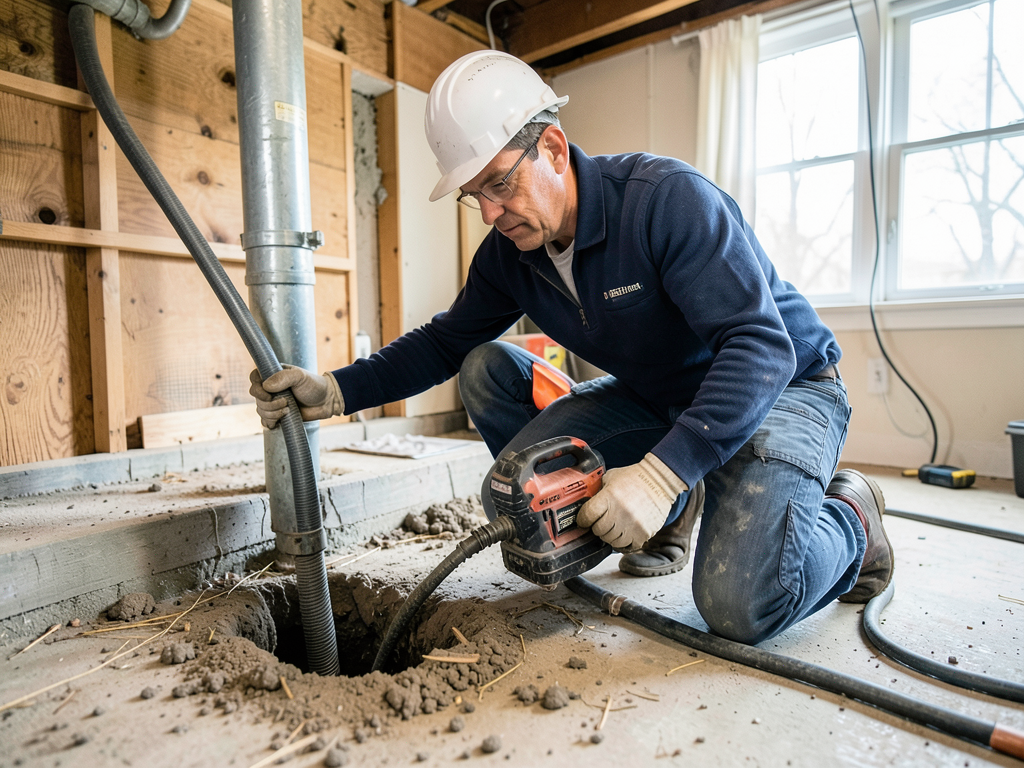
We repair drainage problems correctly. Cracked cast iron gets cut out and replaced with PVC. Failed P-traps get rebuilt with proper trap depth and cleanout access. Undersized vents get extended to code-compliant diameter. Tree roots get cleared with a mechanical auger, then we apply root-killing foam to prevent regrowth. If your sewer lateral has failed, we dig it up and replace it with Schedule 40 PVC rated for underground burial. Temporary fixes fail. We install permanent solutions that last decades.

Maintenance Guidance and Follow-Up

After we fix the problem, we explain how to keep it fixed. For homes with floor drains, we recommend pouring a gallon of water down each drain monthly to maintain trap seals. For homes with mature trees near sewer lines, we suggest annual camera inspections to catch root intrusion early. We also provide guidance on enzyme-based drain cleaners that break down organic buildup without corroding pipes. If you have questions weeks or months later, you call the same number and reach someone who remembers your system.

Frequently Asked Questions

You Have Questions,
We Have Answers

How to get rid of sewer smell coming from drains? +

Start by running hot water down every drain in your home for several minutes to flush out debris. Check that all drain traps have water in them. Dried-out traps lose their seal and let sewer gas escape. Pour water down unused drains like floor drains or guest bathroom sinks. If the smell persists, you likely have a venting issue, cracked drain pipe, or failing wax ring on a toilet. Buffalo's freeze-thaw cycles can crack drain lines in basements and crawl spaces. If flushing traps does not work, call a plumber to inspect your drain lines and vent stack.

Why does my drain smell bad but no blockage? +

A bad smell without a clog usually means a dry P-trap or a venting problem. The P-trap is the curved pipe under your sink that holds water to block sewer gas. If a drain sits unused, evaporation dries out the trap. Buffalo's dry winter air speeds this up. Another cause is a blocked or improperly installed vent pipe. Vents balance air pressure in your drain system. When vents fail, water gets siphoned from traps, breaking the seal. Run water down the drain. If the smell returns quickly, your venting needs professional attention.

Can I fix a sewage smell myself? +

You can fix minor sewage smells by refilling dry drain traps, cleaning sink overflows with a brush and bleach solution, or tightening loose toilet bolts. However, most sewage odors signal problems you cannot see. Cracked drain pipes, failed wax rings, broken vent stacks, or sewer line damage require professional tools and expertise. Buffalo's older housing stock often has deteriorating cast iron drain lines that leak gas before they clog. Attempting DIY fixes on hidden leaks wastes time and lets the problem worsen. If the smell persists after basic steps, call a licensed plumber.

What is the best drain cleaner for smelly drains? +

No chemical drain cleaner eliminates sewage odors long-term. Cleaners like Drano or Liquid-Plumber attack clogs but do not fix the root cause of sewer gas. They can also damage old pipes, especially the galvanized steel and cast iron common in Buffalo homes. For temporary odor control, enzyme-based cleaners break down organic buildup without harming pipes. Baking soda and vinegar can deodorize but will not solve venting or trap issues. If you smell sewer gas, you need diagnosis, not chemicals. A plumber uses cameras and pressure tests to find the real problem.

What kills the smell of sewage? +

To kill sewage smell temporarily, pour a mixture of hot water, baking soda, and white vinegar down the drain. Enzyme-based cleaners digest organic matter causing odor. Clean sink overflows and garbage disposals with a brush and diluted bleach. However, these tactics only mask the symptom. True sewage smell means sewer gas is entering your home through a failed trap seal, cracked pipe, or venting issue. Buffalo's aging infrastructure and seasonal ground movement can crack drain lines. Neutralizing the odor does not fix the leak. A plumber must locate and repair the breach.

What are signs of a serious plumbing problem? +

Persistent sewer odors are a red flag. Other serious signs include multiple slow drains, gurgling toilets when you run water elsewhere, water backing up into tubs or sinks, and wet spots in your yard or basement. In Buffalo, watch for cracks in your foundation or settling around sewer cleanouts. Freeze-thaw cycles and clay soil shift pipes over time. If you hear bubbling in drains or notice sewage pooling in your basement floor drain, you likely have a main sewer line problem. Do not ignore these signs. Sewer gas contains methane and hydrogen sulfide, both hazardous.

How to tell where sewer smell is coming from? +

Start at the source of the strongest smell. Check each drain trap by running water for a minute. Smell near floor drains, basement sinks, and rarely used bathrooms. Inspect around the base of toilets for dampness or odor. Check your crawl space or basement for cracked pipes. In Buffalo, cast iron drain lines corrode from the inside out, leaking gas before you see water. Lift manhole covers in your yard and smell. If the odor is strongest outside near your sewer cleanout, the main line may be damaged. A plumber uses smoke testing to pinpoint leaks.

What can I pour down the drain to stop the smell? +

Pour a gallon of water down any drain that smells to refill the P-trap. For maintenance, use a mixture of half a cup of baking soda followed by one cup of white vinegar, then flush with hot water after 15 minutes. Enzyme cleaners work well for organic buildup in kitchen sinks. Avoid chemical drain cleaners. They corrode pipes and do not fix the underlying issue. Buffalo's older plumbing systems often have deteriorating trap assemblies that need replacement, not chemicals. If pouring water down the drain does not stop the smell within a day, you need a plumber.

What does foul smelling drainage mean? +

Foul-smelling drainage usually means decomposing organic matter in your pipes or a failing drain trap. Kitchen sinks smell from grease, food particles, and soap scum coating pipe walls. Bathroom drains accumulate hair, soap, and biofilm. A rotten egg smell indicates sewer gas escaping through a broken seal or vent issue. In Buffalo, sudden odor changes after heavy rain can signal a compromised sewer lateral or main line backup. Musty smells may point to mold from a slow leak. Consistent foul odors are not normal and require inspection to prevent bigger problems.

What's the average cost to fix a sewer smell? +

Costs vary widely based on the cause. Refilling a dry trap or replacing a toilet wax ring costs minimal labor. Repairing a cracked drain line in your basement runs higher, especially if walls or floors need opening. Main sewer line repairs are the most expensive, particularly in Buffalo where aging clay tile and cast iron pipes often need replacement. Camera inspections help pinpoint the issue before digging. Factors include pipe depth, accessibility, and whether you need excavation or trenchless repair. Most plumbers offer free estimates after diagnosing the source of the smell.

How Buffalo's Aging Sewer Infrastructure Affects Your Home's Drain Odors

Buffalo's sewer system dates back to the late 1800s in older neighborhoods. Many homes still connect to clay tile laterals installed decades ago. These laterals crack under Buffalo's freeze-thaw cycles. When the ground freezes solid in January, then thaws in March, the soil shifts. Clay pipes separate at joints. Sewer gas escapes through these gaps into your basement or crawlspace. Homes near Hoyt Lake and Delaware Park have mature root systems that infiltrate cracked laterals aggressively. Once roots penetrate, they create pathways for foul sewer gas odors to enter your home. The smell intensifies during spring thaw when groundwater levels rise and saturate the soil around compromised pipes.

We've worked in Buffalo long enough to know which streets have the oldest infrastructure and which neighborhoods upgraded to PVC laterals during recent road projects. When we diagnose sewer odor issues, we consider your home's age, your street's construction history, and Buffalo's unique soil conditions. Clay-heavy soil common throughout Erie County shifts more than sandy soil. This movement stresses rigid drain pipes. Local expertise matters because a plumber from outside Buffalo won't recognize these patterns. We understand how Buffalo's infrastructure ages and fails. That knowledge leads to accurate diagnoses and repairs that account for local conditions.
Plumbing Services in The Buffalo Area

We are proud to serve our community and invite you to explore our service area. Whether you need a quick repair or a major installation, our team is ready to assist you. Our commitment extends throughout the region, ensuring every home and business has access to top-tier plumbing services. We look forward to being your trusted local partner and demonstrating why we are the right choice for all your plumbing needs.

Address:
Patriot Plumbing Buffalo, 737 Delaware Ave, Buffalo, NY, 14209

Additional Services We Offer

Our news updates

Latest Articles & News from The Blogs

The Ultimate Plumbing Inspection Checklist for Parkside Home Buyers Buying a home in Parkside means investing in one of Buffalo’s…

The Ultimate Plumbing Inspection Checklist for Parkside Home Buyers

The Ultimate Plumbing Inspection Checklist for Parkside Home Buyers Buying a home in Parkside means investing in one of Buffalo’s…

How to Stop Your Depew Basement Floor Drain from Backing Up

How to Stop Your Depew Basement Floor Drain from Backing Up When sewage or water starts rising from your basement…

Maintaining the Historic Radiator and Boiler Systems in Buffalo University District Homes

Maintaining the Historic Radiator and Boiler Systems in Buffalo University District Homes \n\n The University District’s century-old radiator systems face…

Contact Us

You don't have to live with that smell. We identify the source and fix it permanently. Call (716) 317-6655 now to schedule your same-day sewer odor inspection in Buffalo.