Menu

Water Heater Repair & Installation in Buffalo | Fast Response for Cold Showers and System Failures

Expert water heater repair and installation built for Buffalo's freeze-thaw cycles, hard water conditions, and aging infrastructure. We diagnose failures fast, repair what's fixable, and replace what's not.

Slider Image 1
Slider Image 2
Slider Image 3
Slider Image 4
Slider Image 5
Slider Image 7
Slider Image 8
Slider Image 9
Slider Image 10
Slider Image 11

Why Water Heaters Fail Fast in Buffalo Homes

Buffalo's hard water creates sediment buildup faster than most regions. Calcium and magnesium minerals accumulate at the bottom of your tank, reducing efficiency and causing premature failure. The temperature swings between Western New York winters and humid summers stress water heater components. Anode rods corrode faster. Heating elements burn out. Pressure relief valves stick.

You notice the signs gradually. Water temperature drops. Recovery time slows. Strange rumbling noises start during heating cycles. Then one morning, cold water hits you in the shower. Or worse, you walk into your basement and find water pooling around the base of your tank.

The average lifespan of a water heater in Buffalo is 8 to 12 years, but hard water and freeze-thaw cycling can cut that short. When you need a hot water heater replacement or emergency hot water tank repair, the clock starts ticking. No hot water means no showers, no dishwashing, no laundry. Daily routines stop.

Many Buffalo homes still run older atmospheric vent units installed before 2010. These lack the efficiency and safety features of modern power-vent or tankless systems. If your water heater is showing signs of failure, a water heater change out might prevent a flood that damages finished basements or destroys stored belongings.

Whether you need to fix a hot water heater that's leaking or plan a complete hot water system installation, understanding what failed and why matters. The right diagnosis prevents repeat failures.

Why Water Heaters Fail Fast in Buffalo Homes
How We Diagnose and Fix Water Heater Problems Correctly

How We Diagnose and Fix Water Heater Problems Correctly

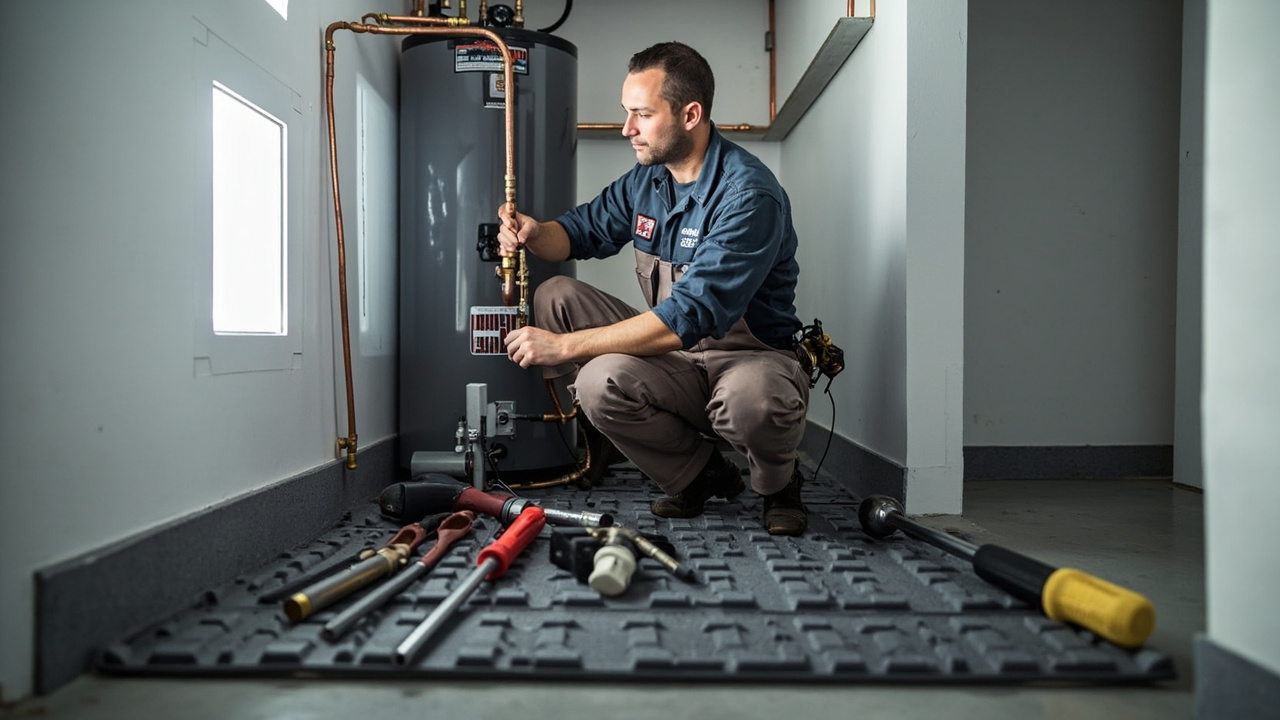
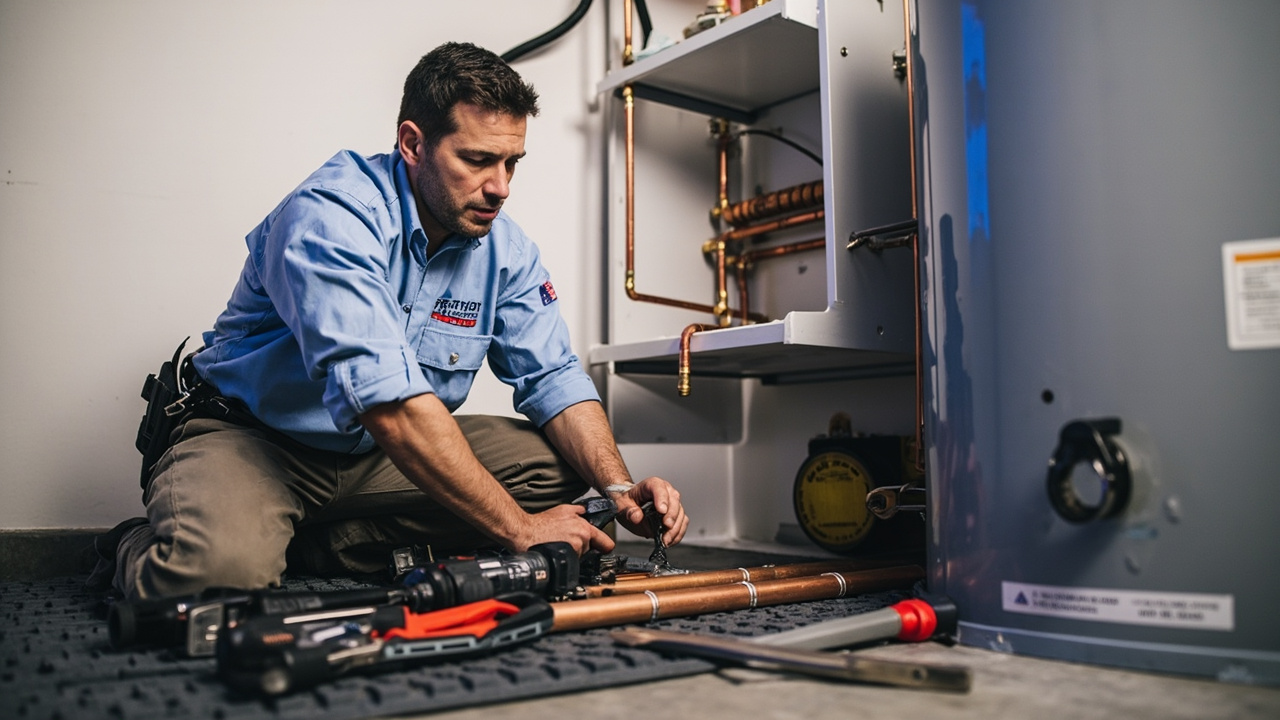
We start every service call with a full system diagnostic. That means checking inlet and outlet connections for corrosion, testing the temperature-pressure relief valve, inspecting the anode rod condition, and measuring sediment accumulation. For gas units, we test the thermocouple, pilot assembly, and burner flame pattern. For electric units, we check both heating elements, the high-limit switch, and thermostat calibration.

Not every water heater failure requires replacement. A faulty heating element costs a fraction of a new tank. A stuck pressure relief valve is a quick fix. But when we find a rusted tank, a cracked heat exchanger, or structural failure, we tell you straight. Delaying a necessary water heater change out only increases the risk of catastrophic failure and water damage.

When replacement is the right call, we help you choose the correct capacity and fuel type for your household. A family of four in North Buffalo has different hot water demands than a couple in Elmwood Village. We account for recovery rate, first-hour rating, and whether your electrical panel or gas line can support upgraded equipment.

For hot water system installation, we follow New York State mechanical code requirements. That includes proper venting for atmospherically vented units, earthquake strapping where required, drain pan installation for units above living spaces, and correct expansion tank sizing. We pull permits when needed and ensure inspections pass the first time.

Our trucks carry common replacement parts for Bradford White, Rheem, AO Smith, and State brand units. That means faster repairs and less downtime waiting for special orders.

What Happens During Your Water Heater Service Call

Water Heater Repair & Installation in Buffalo | Fast Response for Cold Showers and System Failures
01

Initial System Assessment

We arrive with diagnostic tools and begin by documenting your symptoms. How long has the problem existed? When does it occur? We test water temperature at multiple taps, check supply pressure, inspect the combustion chamber or heating elements, and look for active leaks or corrosion. This assessment determines whether you need repair or replacement.
02

Repair or Replacement Decision

If repair is viable, we explain what failed and why. You see the faulty component. We provide a fixed-price quote before starting work. If replacement is necessary, we discuss capacity options, fuel types, and venting requirements. You choose the equipment that fits your budget and household demand. We handle all sizing calculations and code compliance details.
03

Installation and Testing

For new installations, we remove the old unit, install the new water heater with proper venting and safety controls, connect supply lines, test for leaks, and verify correct operation. You get hot water restored the same day. We clean up all debris, haul away the old tank, and walk you through the new system's operation and maintenance requirements.

Why Buffalo Homeowners Choose Patriot Plumbing Buffalo for Water Heater Service

Water heater failures do not wait for convenient times. They happen during holiday gatherings, Sunday mornings, or right before you leave for vacation. We prioritize emergency calls because we know what no hot water means for your household. Our service area covers Buffalo, Amherst, Cheektowaga, Tonawanda, West Seneca, and surrounding Erie County communities.

We understand Buffalo's unique challenges. Many homes in the Elmwood Village, Allentown, and North Buffalo neighborhoods have older plumbing infrastructure. Galvanized supply lines, undersized gas lines, and outdated venting create complications during water heater replacement. We account for these factors during installation so your new system works correctly from day one.

Local building code knowledge matters. Buffalo requires permits for water heater replacement when changing fuel types or increasing capacity. We handle the permitting process, schedule inspections, and ensure your installation meets New York State mechanical code standards. That protects your home's resale value and prevents insurance complications if future claims arise.

Hard water is a fact of life in Western New York. We recommend appropriate water treatment solutions when mineral content threatens your new water heater's lifespan. That might mean installing a whole-house water softener or a dedicated scale prevention system. These additions extend equipment life and improve efficiency.

Our technicians arrive in stocked trucks with common repair parts and replacement components. That reduces delays. You get faster service because we do not need to make multiple trips for basic parts. When we quote a repair, that price includes parts and labor. No surprise charges appear later.

What to Expect From Our Water Heater Service

Response Time and Scheduling

We offer same-day service for emergency calls when your water heater fails completely. For non-emergency repairs and planned replacements, we schedule appointments within 24 to 48 hours. Our dispatch team provides arrival windows and calls ahead when the technician is en route. Emergency calls get priority routing, especially during winter months when frozen pipes compound water heater failures. We keep evening and weekend slots available for urgent situations that cannot wait until regular business hours.

Diagnostic Process and Estimates

Every service call starts with a thorough diagnostic evaluation. You receive a clear explanation of what failed, why it happened, and what options exist for repair or replacement. We provide fixed-price quotes before starting work. No hidden fees appear later. If multiple solutions exist, we explain the trade-offs between repair and replacement costs, expected lifespan differences, and efficiency impacts. You make informed decisions based on complete information, not pressure tactics or artificial urgency.

Installation Quality Standards

Our installations follow manufacturer specifications and local code requirements exactly. That means proper venting with correct pitch and termination, appropriately sized gas lines or electrical circuits, correct drain pan installation where required, expansion tank sizing based on system volume, and pressure relief valve discharge piping that terminates safely. We test all connections for leaks, verify correct combustion on gas units, and confirm proper temperature rise on electric systems before leaving your property. Your installation passes inspection the first time.

Post-Installation Support

After installation, we walk you through your new water heater's operation. You learn how to adjust temperature settings, where to check for leaks, what maintenance tasks extend equipment life, and when to call for service. We provide documentation for your records and manufacturer warranty information. If issues arise after installation, we respond quickly to address them. Regular maintenance reminders help you schedule anode rod inspection and tank flushing that prevents premature failure.

Frequently Asked Questions

You Have Questions,
We Have Answers

How much should I expect to pay for a new water heater installed? +

Cost depends on the unit type and your home's specific setup. Tank-style gas water heaters typically run less than electric models. Tankless units cost more upfront but save on energy bills long-term. Buffalo's hard water and freeze-thaw cycles can affect installation complexity. Homes in older neighborhoods like Allentown or Elmwood Village may need additional venting or gas line work. Factors include tank size, energy efficiency rating, permit fees, and disposal of your old unit. A licensed plumber will assess your home and provide accurate pricing based on your needs.

What is the most common issue with a water heater? +

Sediment buildup tops the list. Buffalo's hard water contains minerals that settle at the tank bottom, reducing efficiency and causing rumbling noises. This sediment layer makes your heater work harder, increasing energy costs and shortening lifespan. The issue worsens in homes near Lake Erie or areas with older municipal water lines. Regular flushing prevents this problem. Other common issues include failing heating elements, corroded anode rods, and thermostat malfunctions. Ignoring sediment buildup leads to tank corrosion and eventual leaks. Annual maintenance catches these problems before they become emergencies.

Who is the best person to replace a water heater? +

A licensed plumber with specific water heater experience is your best choice. Water heater replacement involves gas lines or electrical work, venting, building code compliance, and proper disposal. Buffalo requires permits for most installations. A qualified plumber understands local code requirements and can handle unexpected issues like corroded pipes or insufficient venting. They also ensure proper sizing for your household needs. Big-box store installers often subcontract work to local plumbers anyway. Choose someone familiar with Buffalo's older housing stock and freeze protection requirements. Verify licensing, insurance, and warranty coverage before hiring.

How much does Lowe's charge to install a hot water heater? +

Big-box retailers typically charge between installation fees plus materials. They subcontract to local plumbers who may lack familiarity with Buffalo's specific challenges. These installers often rush jobs to meet corporate quotas. You get limited warranty support and no relationship with the actual installer. Local plumbers provide personalized service, understand Buffalo's building codes, know how to handle older homes in historic districts, and remain available for follow-up service. They also catch problems like inadequate venting or gas line issues that chain store installers might miss. Direct hiring often costs less and delivers better results.

Are there tax credits for new water heaters? +

Yes. The federal Energy Star tax credit covers up to 30 percent of cost for qualifying high-efficiency water heaters installed through 2032. This includes heat pump water heaters and some tankless models. New York State offers additional rebates through NYSERDA for energy-efficient upgrades. Buffalo residents may qualify for local utility incentives through National Grid. Requirements include minimum efficiency ratings and professional installation. Keep all receipts and manufacturer certifications for tax filing. Combining federal and state incentives significantly reduces your out-of-pocket cost. A qualified plumber can identify eligible models for your home.

What is the average labor cost to install a 50 gallon gas water heater? +

Labor typically represents about half of total project cost. Buffalo's older housing stock can increase labor time. Homes in neighborhoods like North Buffalo or South Buffalo often need additional work due to outdated venting or gas lines. Factors affecting labor include accessibility, code compliance updates, permit requirements, and disposal fees. Basement installations cost less than attic locations. Jobs requiring gas line modifications, new venting, or expansion tank installation add time. Weekend or emergency installations cost more. Get detailed written estimates from licensed plumbers familiar with Buffalo building codes and winter installation challenges.

What are the first signs of a water heater going bad? +

Rusty or discolored water signals internal tank corrosion. Strange noises like popping or rumbling indicate sediment buildup, common in Buffalo's hard water areas. Inconsistent water temperature means failing heating elements or thermostats. Water pooling around the base suggests tank leaks or valve failures. Higher energy bills without usage changes point to efficiency loss. Reduced hot water supply indicates sediment taking up tank space. Age matters too. If your unit exceeds 10 years and shows any symptoms, replacement beats repair. Buffalo's temperature swings and hard water accelerate wear, making early detection critical.

Is it cheaper to repair or replace a water heater? +

Age decides this. Units under 7 years old with minor issues like thermostat failures or heating element problems warrant repair. Units over 10 years old or those with tank corrosion, major leaks, or repeated failures need replacement. Buffalo's hard water shortens tank lifespan, making older units risky. Repair costs exceeding 50 percent of replacement cost favor buying new. New units offer better energy efficiency, reducing monthly bills. They also include warranties and meet current code standards. Consider your home's hot water demands. Frequent repairs signal impending failure. Replace proactively to avoid emergency situations.

What is the average lifespan of a water heater? +

Traditional tank water heaters last 8 to 12 years. Buffalo's hard water and temperature extremes can shorten this. Lake Erie's mineral-rich water accelerates sediment buildup and corrosion. Homes in older neighborhoods with galvanized plumbing face faster deterioration. Tankless units last 15 to 20 years with proper maintenance. Factors affecting lifespan include water quality, usage patterns, maintenance frequency, and installation quality. Annual flushing removes sediment and extends life. Anode rod replacement every 3 to 5 years prevents tank corrosion. Well-maintained units in newer homes last longer than neglected ones in harsh conditions.

What is the most reliable water heater brand? +

Rheem and Bradford White consistently rank highest for durability and warranty coverage. A.O. Smith offers solid mid-range options. For Buffalo homes, choose brands built for hard water conditions. Bradford White manufactures commercial-grade residential units that handle mineral-heavy water better. Rheem's corrosion-resistant tanks suit Lake Erie area homes. Rinnai and Navien lead the tankless category. Avoid the cheapest big-box models. They use thinner tanks and cheaper components. Brand matters less than proper sizing, professional installation, and regular maintenance. Your plumber can recommend models proven to perform well in Buffalo's climate and water conditions.

How Buffalo's Hard Water and Freeze-Thaw Cycles Shorten Water Heater Lifespan

Western New York's water supply contains high concentrations of dissolved minerals. Calcium and magnesium accumulate as sediment inside your water heater tank, creating an insulating layer that forces heating elements or burners to work harder. This accelerates energy costs and equipment wear. The temperature swings between subfreezing winters and humid summers cause expansion and contraction in tank materials and connection points. Over time, these stress cycles create micro-cracks that lead to leaks. Buffalo's aging housing stock often includes undersized water heaters installed decades ago when household water consumption was lower. Modern appliances like high-efficiency washing machines and multiple bathrooms increase hot water demand beyond what older units can supply.

Patriot Plumbing Buffalo understands these local factors because we work in these conditions every day. We see how hard water affects equipment life in Williamsville compared to homes near Lake Erie. We know which neighborhoods have galvanized supply lines that complicate water heater replacement and which areas have adequate gas line capacity for tankless systems. Our technicians stay current with New York State mechanical code updates and Erie County permit requirements. That local knowledge prevents installation errors that cause callbacks, failed inspections, or safety hazards. When you choose a local plumbing company for water heater service, you get expertise shaped by Buffalo's specific challenges, not generic national chain procedures.
Plumbing Services in The Buffalo Area

We are proud to serve our community and invite you to explore our service area. Whether you need a quick repair or a major installation, our team is ready to assist you. Our commitment extends throughout the region, ensuring every home and business has access to top-tier plumbing services. We look forward to being your trusted local partner and demonstrating why we are the right choice for all your plumbing needs.

Address:
Patriot Plumbing Buffalo, 737 Delaware Ave, Buffalo, NY, 14209

Additional Services We Offer

Our news updates

Latest Articles & News from The Blogs

The Ultimate Plumbing Inspection Checklist for Parkside Home Buyers Buying a home in Parkside means investing in one of Buffalo’s…

The Ultimate Plumbing Inspection Checklist for Parkside Home Buyers

The Ultimate Plumbing Inspection Checklist for Parkside Home Buyers Buying a home in Parkside means investing in one of Buffalo’s…

How to Stop Your Depew Basement Floor Drain from Backing Up

How to Stop Your Depew Basement Floor Drain from Backing Up When sewage or water starts rising from your basement…

Maintaining the Historic Radiator and Boiler Systems in Buffalo University District Homes

Maintaining the Historic Radiator and Boiler Systems in Buffalo University District Homes \n\n The University District’s century-old radiator systems face…

Contact Us

Cold showers and flooded basements do not fix themselves. Call Patriot Plumbing Buffalo at (716) 317-6655 for fast water heater repair or replacement. We diagnose the problem, explain your options, and restore hot water the same day.