Menu

Tank vs. Tankless Water Heaters in Buffalo – Expert Analysis for Your Home's Heating Efficiency

Patriot Plumbing Buffalo breaks down the real differences between traditional storage tank and on-demand tankless water heaters, helping you choose the right system for Buffalo's harsh winters and fluctuating water demands.

Slider Image 1
Slider Image 2
Slider Image 3
Slider Image 4
Slider Image 5
Slider Image 7
Slider Image 8
Slider Image 9
Slider Image 10
Slider Image 11

Why Buffalo Homeowners Face a Critical Water Heater Decision

Buffalo's brutal winter temperatures create extreme demands on your water heating system. When outdoor temps drop to single digits or below zero, the incoming water temperature from city mains can fall to 35 degrees or colder. That means your water heater works overtime for months.

The choice between conventional tank storage systems and instantaneous tankless units is not just about preference. It affects your energy bills, your available hot water during peak morning demand, and your basement's usable square footage.

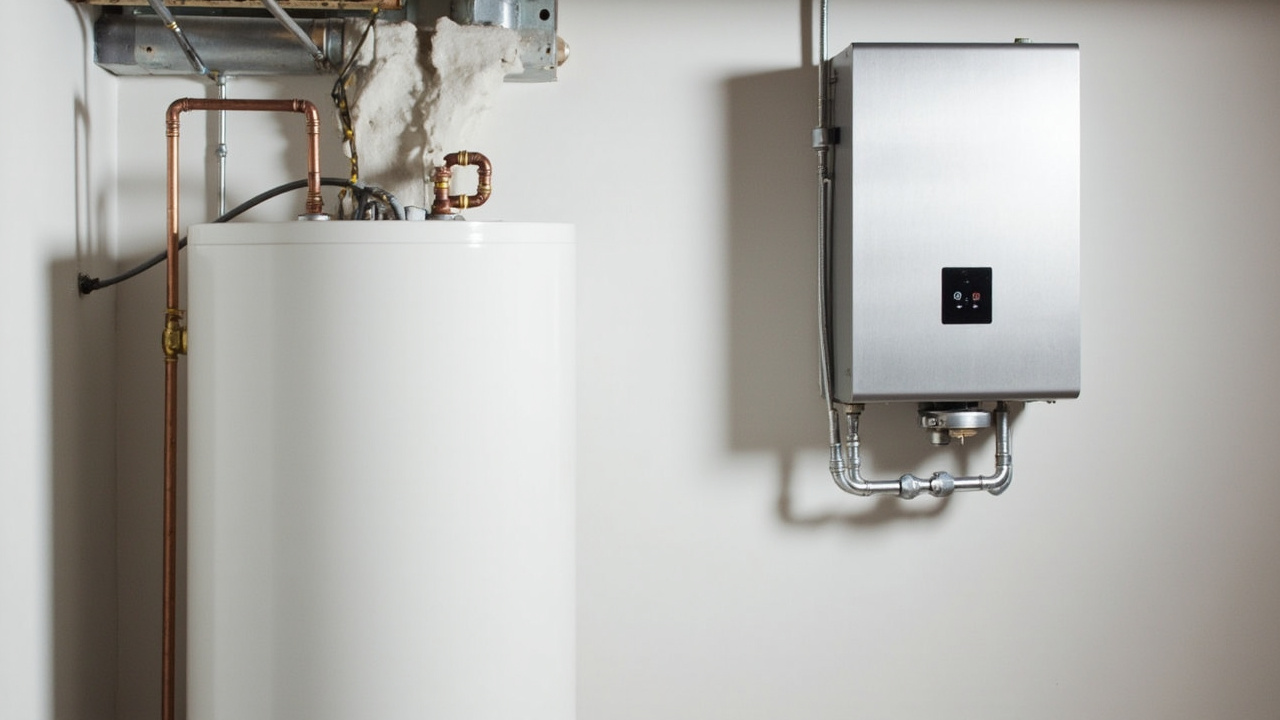
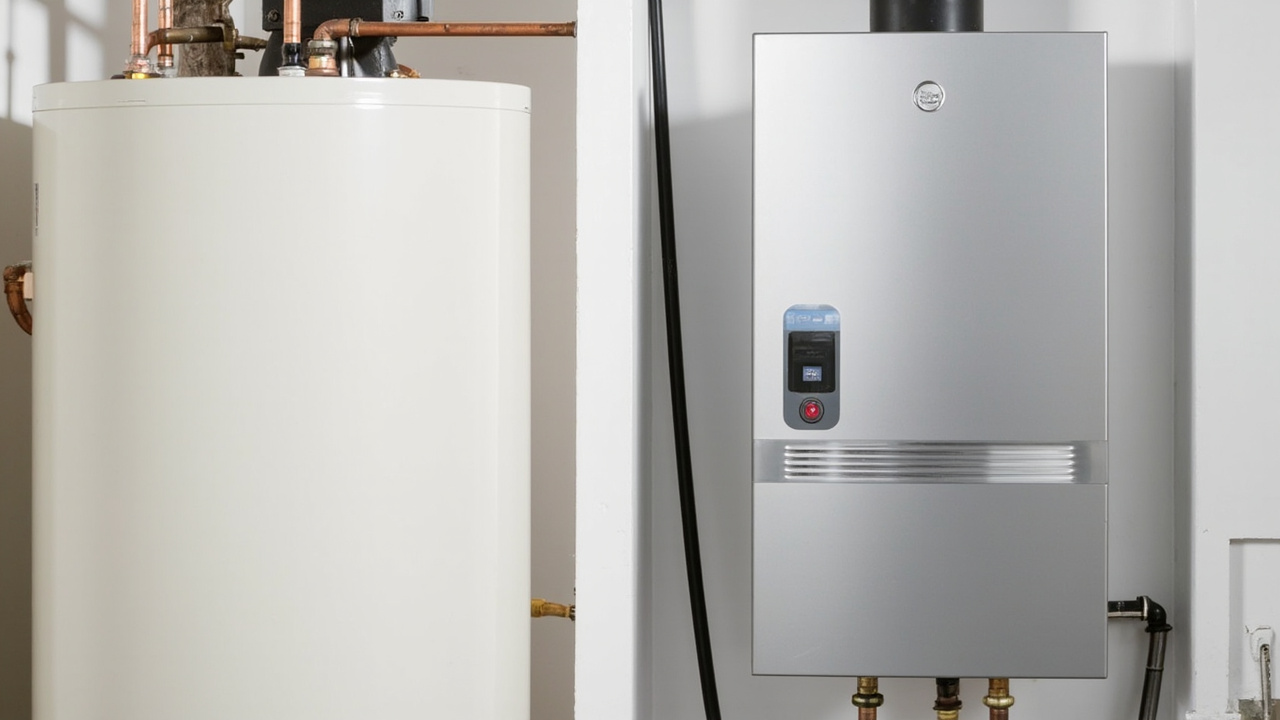
Traditional storage tank heaters keep 40 to 80 gallons heated around the clock. They lose heat through the tank walls, especially in unheated Buffalo basements where ambient temperatures hover in the 40s during winter. That standby heat loss adds up.

Tankless on-demand systems heat water only when you open a faucet. They mount on walls, freeing up floor space. But they require adequate gas line sizing and proper venting, which many older Buffalo homes lack without upgrades.

The standard vs tankless water heater comparison gets complicated when you factor in Buffalo's hard water. The Niagara region has moderate to high mineral content. Scale buildup affects both system types differently. Storage tanks accumulate sediment at the bottom. Tankless heat exchangers can clog with calcium deposits if not maintained properly.

Your home's age, your family's hot water usage patterns, and your existing plumbing infrastructure all determine which technology makes sense. There is no universal answer. The tank vs tankless water heater comparison requires honest assessment of your specific situation.

Why Buffalo Homeowners Face a Critical Water Heater Decision
How Each System Actually Works in Buffalo Homes

How Each System Actually Works in Buffalo Homes

Conventional storage tank water heaters use a simple principle. Cold water enters the bottom of the tank. A gas burner or electric heating element maintains the water temperature between 120 and 140 degrees. When you turn on hot water, heated water flows from the top of the tank while cold water refills from the bottom. The recovery rate determines how quickly the tank reheats after heavy use.

In Buffalo homes, a 50-gallon gas storage tank typically recovers in 30 to 40 minutes. Electric tanks take twice as long. If three people shower back-to-back in the morning, the third person might get a lukewarm finish with an undersized or aging tank.

Instantaneous tankless systems work differently. When you open a hot water tap, cold water flows through a heat exchanger with powerful gas burners or electric coils. The unit heats water on demand to your set temperature. Flow rate determines capacity. Most residential tankless units heat 5 to 10 gallons per minute, depending on the incoming water temperature.

Here is where Buffalo's climate creates problems. In January, when incoming water is 35 degrees, a tankless unit must raise the temperature 85 degrees to reach 120-degree output. That requires maximum burner output. If you run two showers simultaneously, the flow rate drops or the temperature falls.

Proper sizing requires calculating your peak simultaneous demand. How many fixtures run at once during your busiest time? A morning with two showers, a dishwasher cycle, and someone washing hands pushes many tankless units to their limit.

Patriot Plumbing Buffalo performs load calculations before recommending either system type. We measure your existing flow rates, assess your gas line capacity, and evaluate your electrical service if considering electric models.

What Happens During Your Water Heater Consultation

Tank vs. Tankless Water Heaters in Buffalo – Expert Analysis for Your Home's Heating Efficiency
01

System Assessment and Measurement

We start by evaluating your current water heater setup and measuring your home's peak hot water demand. Our technicians test flow rates at multiple fixtures simultaneously to determine your actual gallons-per-minute usage. We inspect your gas line size, venting configuration, and electrical capacity. We also test your water hardness since Buffalo's mineral content directly impacts system longevity and maintenance requirements for both storage and on-demand configurations.
02

Cost and Efficiency Analysis

We calculate the real operating costs for both traditional tank and tankless options based on your household size and usage patterns. This includes standby heat loss for storage tanks and maximum burner draw for instantaneous systems during Buffalo winters. We factor in installation complexity, required upgrades to gas lines or venting, and realistic maintenance schedules. The analysis includes equipment lifespan expectations, with standard tanks averaging 10 to 12 years and tankless units reaching 15 to 20 years with proper descaling maintenance.
03

Personalized System Recommendation

Based on your specific situation, we recommend the system type that fits your needs and budget. Some Buffalo homes benefit from hybrid solutions, like a small storage tank paired with a point-of-use tankless heater for distant bathrooms. We explain the installation timeline, any necessary preparatory work like gas line upgrades or new venting installation, and what maintenance you should expect. You receive a detailed proposal with transparent information, not sales pressure.

Why Buffalo Homeowners Trust Our Water Heater Guidance

Patriot Plumbing Buffalo has installed and serviced hundreds of both storage tank and tankless water heating systems throughout Erie County. We know which manufacturers hold up to Buffalo's water conditions and which models fail prematurely.

We understand local building codes and permit requirements. Tankless installations require proper combustion air and venting that meets current code. Many older Buffalo homes need modifications to accommodate these requirements safely. We handle the permit process and ensure inspections pass the first time.

Our technicians receive ongoing training on both conventional and instantaneous water heating technologies. We stay current on efficiency ratings, new models, and common failure points. When we recommend a system type, it comes from hands-on experience, not manufacturer incentives.

We also understand Buffalo's housing stock. The city has thousands of homes built between 1900 and 1950. These homes have unique plumbing configurations, often with galvanized supply lines, undersized gas piping, and limited venting options. Installing a high-output tankless system in a 1920s bungalow requires careful planning and sometimes creative solutions.

We give you honest assessments. If your home needs significant upgrades to support a tankless system, we tell you upfront. If a quality storage tank will serve you better at a fraction of the cost, we say so. Our goal is providing reliable hot water, not pushing the most expensive option.

The storage vs instantaneous water heater decision affects your daily comfort and your utility bills for the next decade or more. We help you make that choice with complete information about your specific home, your actual usage patterns, and realistic maintenance expectations for Buffalo conditions.

What to Expect When Choosing Your Water Heater

Consultation and Decision Timeline

Your initial consultation takes 45 minutes to an hour. We assess your current system, measure flow rates, and discuss your household's hot water needs. You receive a detailed analysis within 24 hours comparing both options with realistic cost projections. Most homeowners make their decision within a few days. Emergency replacements for failed units move faster, often with same-day or next-day installation availability. We keep common storage tank sizes in stock for urgent replacements. Tankless installations typically require ordering specific models and scheduling installation within three to five business days.

Installation Process and Preparation

Storage tank replacements usually complete in three to four hours if no modifications are needed. The installer drains and removes your old tank, installs the new unit, connects water and gas or electrical lines, and tests operation. Tankless installations take longer, typically four to six hours or more if gas line upgrades or new venting installation is required. We protect your floors and work area, haul away your old equipment, and clean up completely. All installations include full testing of safety controls, temperature accuracy, and proper venting draft. You receive operating instructions and maintenance recommendations specific to your new system.

Performance and Efficiency Results

With a properly sized storage tank, you get consistent hot water delivery with predictable recovery times between heavy usage periods. Tankless systems provide endless hot water at the rated flow capacity, though you may notice temperature fluctuations if demand exceeds the unit's maximum output. Buffalo homeowners with tankless systems typically see 20 to 30 percent reductions in water heating costs compared to older storage tanks, assuming proper sizing and usage patterns. Storage tank efficiency depends on insulation quality and standby heat loss. Modern high-efficiency tanks with thick foam insulation perform much better than older models with minimal insulation.

Maintenance Requirements and Service

Storage tanks require annual flushing to remove sediment buildup, especially in Buffalo's moderately hard water. This simple maintenance extends tank life and maintains efficiency. Anode rod inspection and replacement every few years prevents premature tank corrosion. Tankless systems need annual descaling service to remove mineral deposits from heat exchangers. Skipping this maintenance voids most warranties and leads to early failure. We offer maintenance plans covering annual service for both system types. All our installations include first-year maintenance at no additional cost. You also receive priority scheduling and discounted rates on any future service calls or repairs.

Frequently Asked Questions

You Have Questions,
We Have Answers

What's better, a tank or a tankless water heater? +

It depends on your household needs and budget. Tank water heaters cost less upfront and work during power outages, making them reliable for Buffalo winters. Tankless units provide endless hot water and save space, but require higher initial investment and electricity or gas upgrades. If you have a large family or simultaneous water demands, tankless may struggle during peak use. For homes with older electrical systems common in Buffalo neighborhoods, tank heaters often make more sense. Consider your hot water usage patterns, available space, and long-term energy savings before deciding.

What is the downside of a tankless water heater? +

The biggest downside is upfront cost. Tankless water heaters cost two to three times more than tank units when you factor in installation and potential electrical or gas line upgrades. In Buffalo homes with older infrastructure, these upgrades add expense. Tankless units also struggle to supply multiple fixtures simultaneously. If someone showers while the dishwasher runs, water temperature may fluctuate. They require annual descaling maintenance due to Buffalo's hard water, which adds ongoing costs. Cold groundwater temperatures in winter can reduce flow rates and efficiency.

Why do plumbers not recommend tankless water heaters? +

Many plumbers hesitate to recommend tankless heaters because they require complex installations and frequent service calls. Buffalo's hard water causes mineral buildup that clogs heat exchangers, leading to expensive repairs. Older homes often need electrical panel upgrades or new gas lines, which increases costs and installation time. Plumbers also see more callbacks for temperature fluctuations and error codes with tankless units. Tank heaters are simpler, more forgiving, and easier to repair. For Buffalo's climate and water conditions, traditional tanks often provide better reliability with fewer headaches for homeowners and installers.

How much does your electric bill go up with a tankless water heater? +

Electric tankless heaters don't necessarily raise your electric bill. They use energy only when you need hot water, unlike tank heaters that constantly reheat stored water. Your bill depends on household size and usage patterns. A family of four may see similar costs or slight savings. Gas tankless models typically cost less to operate than electric versions. Buffalo's cold groundwater temperatures mean the unit works harder in winter, which can increase energy use seasonally. Most homeowners see modest savings over time, but the real benefit is endless hot water, not dramatic bill reductions.

Do you ever run out of hot water with tankless? +

You won't run out of hot water volume with tankless heaters, but you can overwhelm the flow rate. If multiple fixtures run simultaneously, like a shower and washing machine, the unit may not keep up. This creates lukewarm water or reduced pressure. Buffalo's cold groundwater temperatures in winter further challenge flow capacity. Proper sizing matters. An undersized unit for a four-person household will struggle during morning routines. You get continuous hot water for single uses, but peak demand situations can exceed what the unit can heat instantly.

What water heater do plumbers recommend? +

Most plumbers recommend tank water heaters for Buffalo homes because they're reliable, affordable, and proven. Gas tank heaters with 40 to 50 gallon capacity suit average households. They work during power outages, require simple repairs, and handle simultaneous hot water demands without issue. Brands like Rheem, AO Smith, and Bradford White offer good value and available parts. For homes with high hot water needs or space constraints, plumbers may suggest tankless, but only after evaluating electrical capacity and water hardness. Tank heaters remain the practical choice for most Buffalo residents.

What is the most common problem with tankless water heaters? +

Mineral buildup from hard water is the most common problem with tankless heaters in Buffalo. Calcium and magnesium deposits clog the heat exchanger, reducing efficiency and causing error codes. This requires annual descaling maintenance, which costs money and time. Ignoring buildup leads to complete system failure. Cold weather also triggers issues when frozen condensate lines block venting. Inconsistent water temperature during simultaneous use frustrates homeowners. Error codes from sensors often require service calls. These problems occur more frequently than tank heater issues, making tankless units higher maintenance in Buffalo's water conditions.

Can I replace my 40 gallon water heater with a tankless water heater? +

Yes, you can replace a 40 gallon tank with a tankless heater, but it requires careful planning. Your home's electrical panel may need an upgrade to handle the 150 to 200 amp draw that electric tankless units require. Gas models need proper venting and possibly larger gas lines. Buffalo homes built before 1980 often lack the electrical capacity for tankless without upgrades. You'll also need to consider whether a single tankless unit can match your household's peak demand. Consult a licensed plumber to assess your specific situation before making the switch.

Do tankless heaters work during power outages? +

Electric tankless water heaters do not work during power outages, which is a critical consideration for Buffalo winters. When storms knock out electricity, you lose hot water completely. Gas tankless models also require electricity for ignition systems and controls, so they won't function either. Traditional tank water heaters, especially gas models with standing pilot lights, continue providing hot water stored in the tank during outages. If you experience frequent power loss in your Buffalo neighborhood, a tank heater offers better reliability. Battery backup systems exist but add significant cost.

Are they banning tankless water heaters? +

No, tankless water heaters are not being banned. This misconception comes from new efficiency standards that affect some gas tank models, not tankless units. In fact, tankless heaters often meet or exceed updated energy requirements more easily than tanks. Some regions encourage tankless adoption through rebates because they reduce energy waste. Buffalo homeowners can choose either system based on their needs. New regulations aim to improve efficiency across all water heating technologies, but tankless models remain a legal and viable option for residential and commercial properties throughout New York State.

How Buffalo's Water Quality Affects Your Water Heater Choice

Buffalo's municipal water supply comes primarily from Lake Erie, supplemented by the Niagara River. The water has moderate hardness, typically 120 to 180 parts per million of dissolved minerals. This level causes gradual scale accumulation in both storage and tankless systems. Traditional tanks collect sediment at the bottom, reducing efficiency and available capacity over time. Tankless heat exchangers are more sensitive to scale buildup because water flows through narrow passages around thin metal fins. Without annual descaling, mineral deposits restrict flow and cause overheating errors. The conventional vs tankless water heater comparison must account for Buffalo's specific water chemistry and your willingness to maintain either system properly.

Working with a local plumbing company familiar with Buffalo homes and water conditions matters. Patriot Plumbing Buffalo knows which water heater models hold up best in this region. We understand the maintenance schedules that work for Buffalo water quality. We also know local supply houses and can source parts quickly when repairs are needed. National chain installers often follow corporate protocols that do not account for regional differences in water chemistry, climate demands, or local building codes. Choosing local expertise means getting advice tailored to your specific Buffalo home and realistic expectations for how each system will perform here.
Plumbing Services in The Buffalo Area

We are proud to serve our community and invite you to explore our service area. Whether you need a quick repair or a major installation, our team is ready to assist you. Our commitment extends throughout the region, ensuring every home and business has access to top-tier plumbing services. We look forward to being your trusted local partner and demonstrating why we are the right choice for all your plumbing needs.

Address:
Patriot Plumbing Buffalo, 737 Delaware Ave, Buffalo, NY, 14209

Additional Services We Offer

Our news updates

Latest Articles & News from The Blogs

The Ultimate Plumbing Inspection Checklist for Parkside Home Buyers Buying a home in Parkside means investing in one of Buffalo’s…

The Ultimate Plumbing Inspection Checklist for Parkside Home Buyers

The Ultimate Plumbing Inspection Checklist for Parkside Home Buyers Buying a home in Parkside means investing in one of Buffalo’s…

How to Stop Your Depew Basement Floor Drain from Backing Up

How to Stop Your Depew Basement Floor Drain from Backing Up When sewage or water starts rising from your basement…

Maintaining the Historic Radiator and Boiler Systems in Buffalo University District Homes

Maintaining the Historic Radiator and Boiler Systems in Buffalo University District Homes \n\n The University District’s century-old radiator systems face…

Contact Us

Call Patriot Plumbing Buffalo at (716) 317-6655 for an honest assessment of your water heating needs. We provide transparent comparisons between tank and tankless systems based on your actual usage and home configuration. No pressure, just expert guidance.