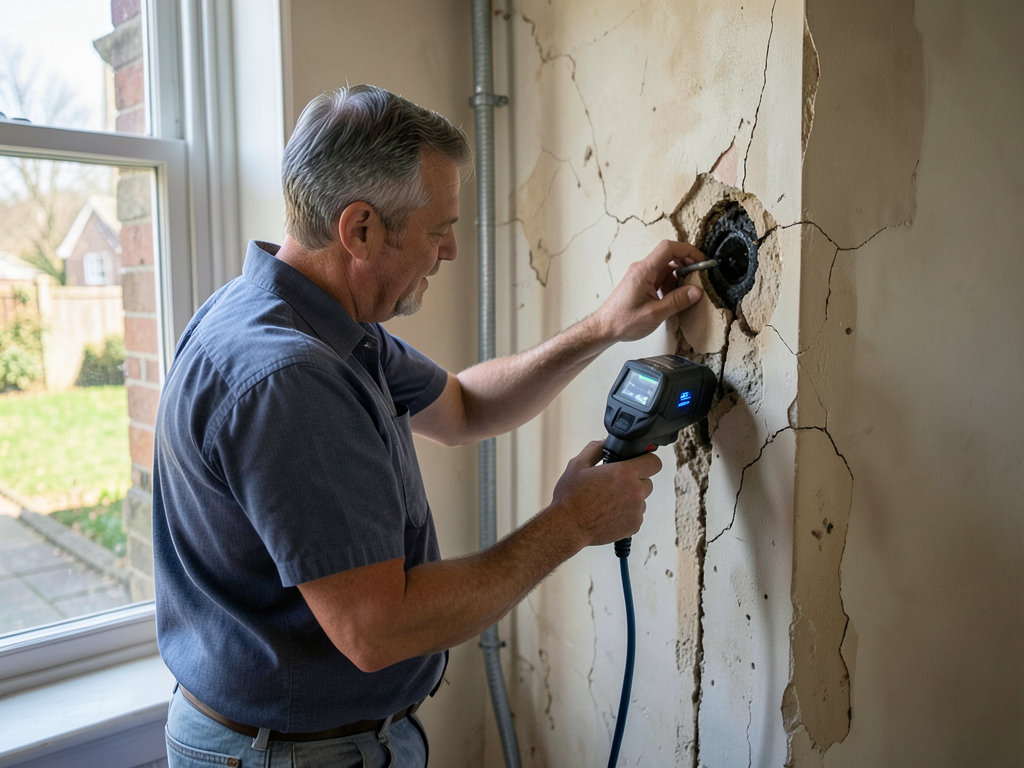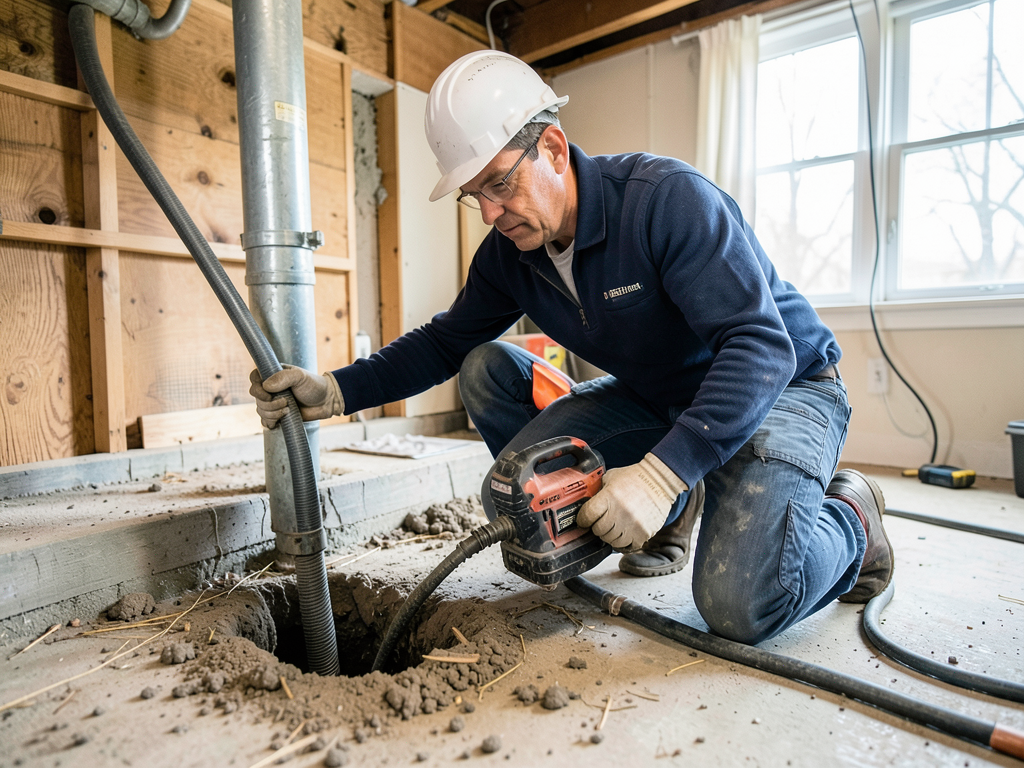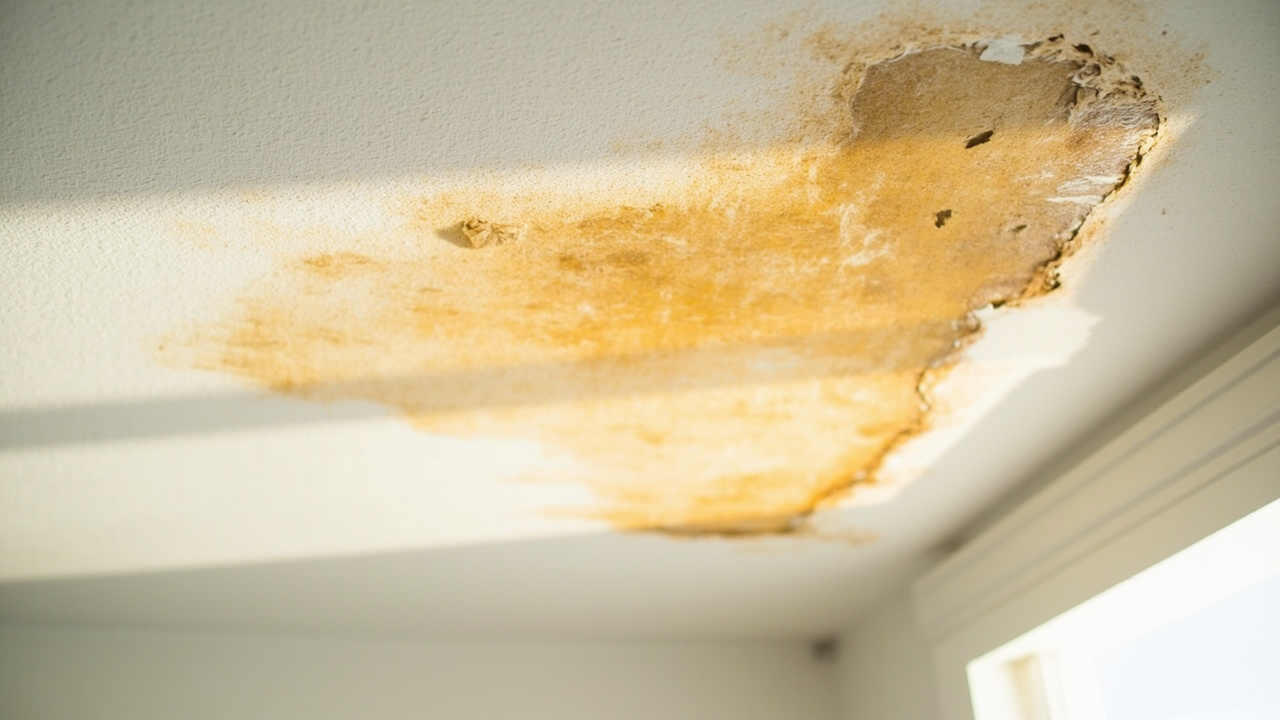

Buffalo winters are brutal on plumbing. When outdoor temperatures drop below 20 degrees, then spike back to 45 degrees a few days later, pipes expand and contract. This thermal cycling loosens joints, cracks solder connections, and creates pinhole leaks in copper supply lines. The damage happens inside walls where you cannot see it. Water seeps into insulation and drywall. By the time you notice brown spots on the ceiling or damp patches on walls, the leak has been active for weeks. Homes built before 1980 are especially vulnerable because older copper installations used thinner-wall pipe that corrodes faster in our water chemistry.
Buffalo plumbing systems also deal with hard water and chlorine that accelerate copper corrosion. Municipal water from the Niagara River has moderate hardness, but it contains enough dissolved minerals to pit copper over time. Add winter temperature swings and you get pinhole leaks at elbows and tees where stress concentrates. We understand how local conditions affect plumbing longevity. When we investigate ceiling discoloration from leak or moisture stains on drywall, we look for patterns common in Buffalo homes. That local knowledge helps us find the source faster and recommend repairs that account for our climate and water quality.