Menu

How to Prevent Frozen Pipes in Buffalo – Expert Winterization Strategies for Harsh Erie County Winters

Buffalo's brutal freeze-thaw cycles and subzero temperatures demand proven frozen pipe prevention tips. Learn professional winterizing plumbing pipes techniques that keep water pipes from freezing, even during the coldest January nights along Lake Erie.

Slider Image 1
Slider Image 2
Slider Image 3
Slider Image 4
Slider Image 5
Slider Image 7
Slider Image 8
Slider Image 9
Slider Image 10
Slider Image 11

Why Buffalo Homes Face Unique Frozen Pipe Risks

Buffalo's position on Lake Erie creates a perfect storm for frozen pipes. When Arctic air sweeps across the Great Lakes, temperatures plunge below zero for days. The lake-effect snow and wind chill intensify the cold, turning unprotected plumbing into ice-filled disasters.

Older homes in neighborhoods like Elmwood Village and Allentown were built before modern insulation standards. Many still have crawl spaces with exposed pipes. The constant freeze-thaw cycling Buffalo experiences puts extra stress on water lines. One night at 5 degrees, then a thaw to 35 degrees the next day. This pattern weakens pipes over time.

Keeping water pipes from freezing requires understanding how cold penetrates your home. Wind-driven cold air finds every gap in your foundation. Pipes along exterior walls in basements or attics freeze first. The water inside expands when it freezes, creating pressure that can rupture copper or PVC in minutes.

Protecting pipes from freezing starts before the first snow falls. You cannot wait until the temperature drops. By then, you are reacting to a crisis instead of preventing one. Buffalo winters demand preparation in October, not December.

Most frozen pipe calls we receive at Patriot Plumbing Buffalo come from the same vulnerable spots. Pipes in unheated garages, basement rim joists, and outdoor hose bibs. These are the first to fail when Lake Erie wind chill hits negative 20. Stopping pipes from freezing means identifying these weak points before winter arrives.

Why Buffalo Homes Face Unique Frozen Pipe Risks
Professional Winterizing Methods That Work in Buffalo

Professional Winterizing Methods That Work in Buffalo

Winterizing plumbing pipes is not about one quick fix. It requires a layered defense strategy. First, we identify every pipe that runs through unconditioned space. That includes exterior walls, crawl spaces, attics, and unheated rooms. Each location needs a specific solution.

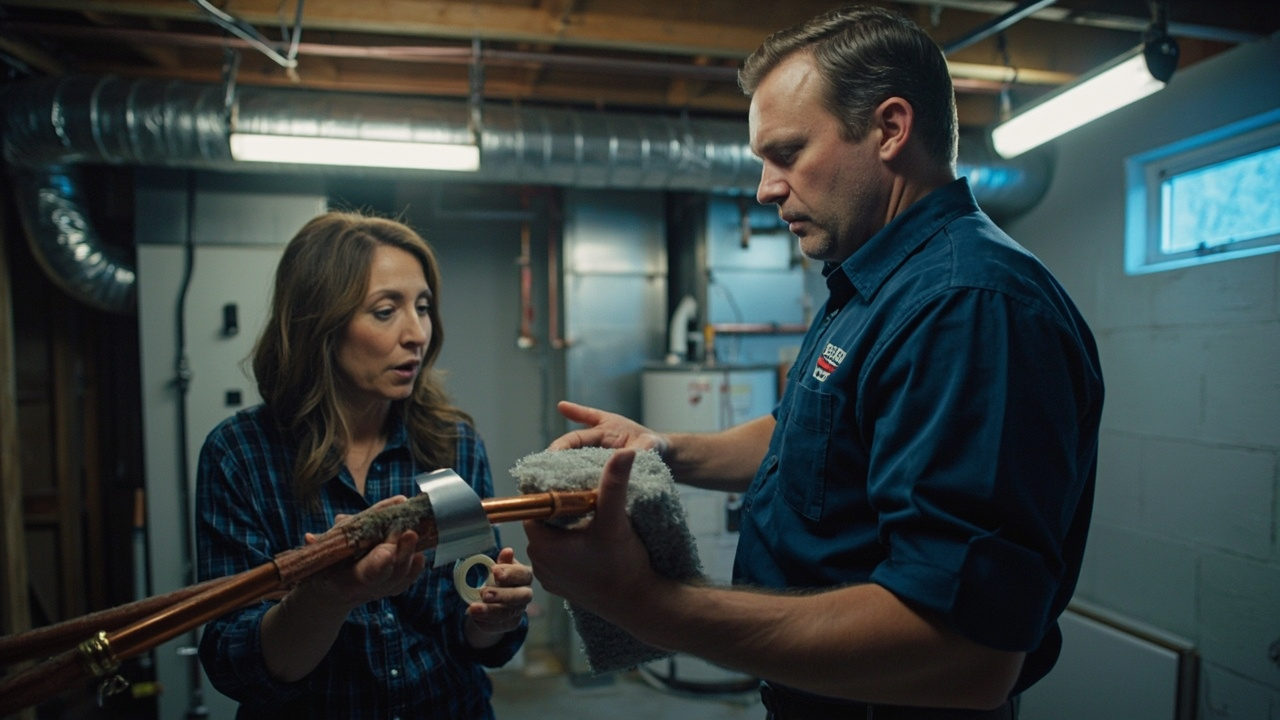
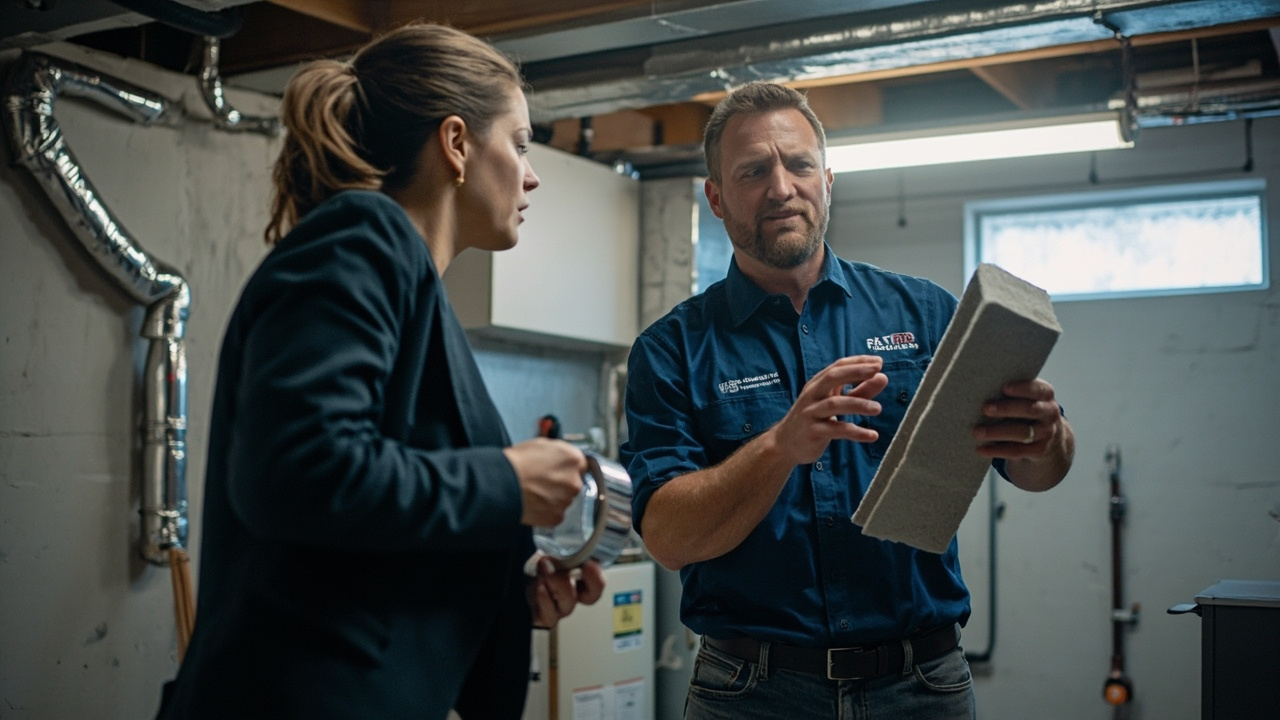
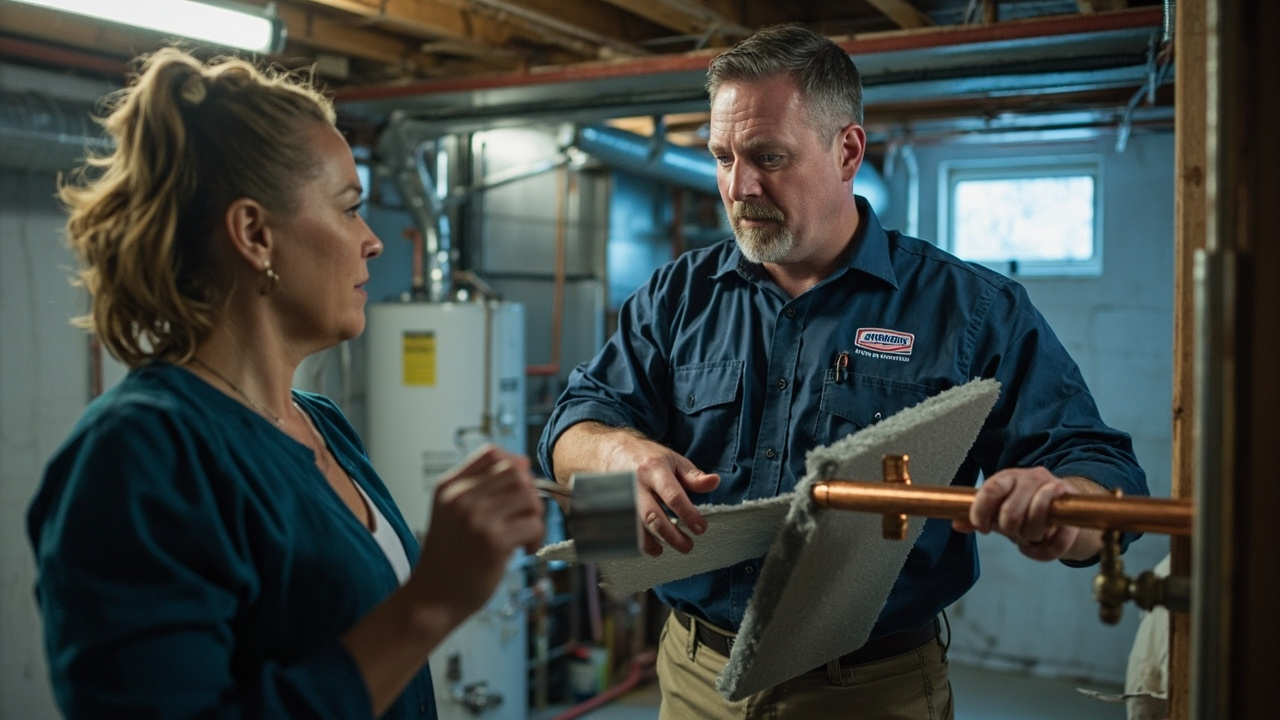
For exposed pipes in basements, foam pipe insulation is the first layer. We use closed-cell foam tubes rated for subzero temperatures. The seams must be sealed with HVAC tape. Gaps let cold air contact the pipe directly. We then add heat trace cable for pipes in the most vulnerable locations. These low-voltage cables activate when temperatures drop below 38 degrees, keeping water flowing even in extreme cold.

Rim joists are a weak point in Buffalo homes. The wood framing along your foundation creates a thermal bridge. Cold transfers through the wood and freezes pipes running parallel to it. We seal the rim joist cavity with spray foam insulation and add rigid foam board inside. This creates a thermal break that stops the cold before it reaches your plumbing.

Outdoor hose bibs need frost-free sillcocks installed. These extend six to twelve inches into the heated part of your home. When you shut off the valve, water drains out automatically. No water left in the pipe means nothing to freeze. The shut-off valve for your exterior faucets should be inside your basement or crawlspace. Close it in October and open the outdoor valve to drain residual water.

Crawl space vents need attention too. In summer, they provide ventilation. In winter, they let Arctic air blast your pipes. We install vent covers rated for Buffalo winters or seal them completely if you have a conditioned crawlspace.

How Buffalo Homeowners Winterize Plumbing Before the First Freeze

How to Prevent Frozen Pipes in Buffalo – Expert Winterization Strategies for Harsh Erie County Winters
01

Identify Vulnerable Pipe Locations

Walk through your basement, crawl space, and attic before October ends. Map every water line that runs along an exterior wall or through unheated space. Check rim joists, the area where your foundation meets the floor framing. Look for pipes near basement windows or crawl space vents. These spots freeze first during Buffalo cold snaps. Take photos so you remember every location that needs protection.
02

Install Insulation and Heat Trace

Wrap vulnerable pipes with closed-cell foam insulation rated for subzero conditions. Seal every seam with aluminum tape to prevent cold air infiltration. For pipes in extreme exposure areas like crawl spaces or unheated garages, add self-regulating heat trace cable before the insulation. The cable activates automatically when temperatures approach freezing. Secure it with the manufacturer-specified spacing and cover with foam insulation. This dual-layer approach prevents freeze damage during the coldest January nights.
03

Seal Air Leaks and Test

Seal every crack in your foundation and rim joist with spray foam or caulk. Close crawl space vents or install insulated covers. Shut off outdoor faucets from inside your home and drain them completely. Open cabinet doors under sinks on exterior walls during extreme cold to let warm air circulate. Before the first freeze, test your work by monitoring temperatures in vulnerable areas overnight. A wireless thermometer in your crawl space tells you if your winterization is working.

Why Buffalo Homeowners Trust Local Plumbing Expertise

Buffalo winters are different. A plumber from Charlotte or Phoenix does not understand what happens when wind chill hits negative 30 for three days straight. Local experience matters because we live through the same conditions as you. We know which neighborhoods have the oldest housing stock and the most vulnerable plumbing configurations.

The homes built in Buffalo between 1900 and 1950 were constructed before modern building codes required proper insulation. Many still have original plumbing running through stone foundations or uninsulated crawl spaces. These buildings need custom solutions, not generic advice from a national blog.

Patriot Plumbing Buffalo has winterized hundreds of homes across Erie County. We know that houses near Delaware Park face different challenges than those in South Buffalo near the lake. Elevation, wind exposure, and home age all factor into the right prevention strategy.

We understand local building codes too. Buffalo requires backflow preventers on certain installations. Your irrigation system needs proper winterization and blowout procedures to meet code and prevent freeze damage. We handle the technical compliance so you do not face violations or insurance claim denials.

When a pipe does freeze despite prevention efforts, response time determines whether you face a minor inconvenience or major water damage. Local plumbers arrive faster. We know the shortcuts through Buffalo traffic. We stock parts that fit the older plumbing common in Erie County homes. A national chain cannot match that preparedness.

You also need a plumber who stocks the right materials for Buffalo conditions. Standard foam pipe insulation fails below zero. We use commercial-grade products rated for extreme cold. Our suppliers are local, so we can restock quickly during winter emergencies when everyone else is backordered.

What to Expect When Winterizing Your Buffalo Home's Plumbing

Timeline for Winterization Services

Most homes need two to four hours for complete winterization. We start with a walkthrough to identify every vulnerable pipe location. Simple jobs like insulating exposed basement pipes and installing hose bib covers take less time. Homes with crawl spaces, complex outdoor irrigation systems, or heat trace cable installations require longer. October and early November are the ideal months. Waiting until December means you risk a freeze before we finish. We schedule preventive work faster than emergency repairs because our calendar is less constrained.

The Initial Assessment Process

We inspect your home's plumbing layout and note every exposure point. This includes checking your basement, crawl space, attic, and exterior walls. We measure insulation levels in rim joist cavities and test shut-off valves for outdoor faucets. You receive a written assessment identifying high-risk areas and recommended solutions. We explain which pipes need simple foam insulation and which need heat trace cable. The assessment takes 30 to 45 minutes. You get a clear plan with cost factors before any work begins. No surprises or upselling.

Quality of Completed Work

Every pipe gets wrapped with closed-cell foam rated for Buffalo winters. Seams are sealed completely. Heat trace cables are installed to manufacturer specifications with proper spacing and attachment. All electrical connections meet National Electrical Code standards. Outdoor faucets drain completely with no standing water. Crawl space vents are sealed or covered properly. You receive photos documenting the work and a map showing which pipes were addressed. The quality shows when January temperatures drop below zero and your water keeps flowing. That peace of mind is the real deliverable.

Seasonal Maintenance and Follow-Up

Winterization is not a one-time job. Insulation can shift or deteriorate. Heat trace cables need annual testing before winter. We offer pre-winter checkups each October to inspect your previous winterization work and make adjustments. Foam insulation that has compressed or pulled away from seams gets replaced. We test heat trace cables to confirm they activate properly. Outdoor faucets get checked to ensure they still drain completely. This annual maintenance catches small problems before they become frozen pipe emergencies. Many clients schedule it as part of their fall home maintenance routine.

Frequently Asked Questions

You Have Questions,
We Have Answers

How do I stop my pipes from freezing? +

Insulate exposed pipes in basements, crawl spaces, and exterior walls using foam pipe sleeves. Seal air leaks around windows and doors near plumbing. Open cabinet doors under sinks to let warm air circulate. Disconnect garden hoses and shut off exterior spigots. During extreme cold snaps common in Buffalo, let faucets drip slightly overnight. Keep your thermostat at a consistent temperature, even when away. For homes built before 1950, pay extra attention to pipes in unheated areas. If you travel during winter, maintain heat at 55 degrees minimum. Regular inspections catch vulnerabilities before Arctic air masses arrive.

At what temperature will pipes freeze? +

Pipes begin freezing when temperatures drop to 20 degrees Fahrenheit or below for extended periods. Buffalo experiences sustained sub-freezing stretches from December through February, creating high risk. Uninsulated pipes in exterior walls, attics, or crawl spaces freeze faster than interior plumbing. Wind chill accelerates freezing, especially in homes near Lake Erie where wind speeds increase. Pipes in poorly insulated older homes freeze at higher temperatures. Metal pipes conduct cold faster than PEX or plastic. The duration of exposure matters more than a brief dip below freezing. Once temperatures stay below 20 degrees for six hours, risk escalates dramatically.

At what temperature should you let your faucets drip? +

Start letting faucets drip when outdoor temperatures drop to 20 degrees Fahrenheit or below. Buffalo residents should monitor forecasts during cold fronts moving across Lake Ontario. A drip prevents pressure buildup and keeps water moving through vulnerable pipes. Focus on faucets connected to exterior walls or unheated spaces. Nighttime temperatures pose the greatest risk since heating systems work harder and homes cool down. If wind chill warnings affect your neighborhood, begin dripping faucets earlier than 20 degrees. A slow drip, not a full stream, provides adequate protection. Check both hot and cold water flow.

Do you run both hot and cold water to keep pipes from freezing? +

Yes, run both hot and cold water to protect your entire plumbing system. Hot water lines freeze just as easily as cold lines, despite containing warmer water initially. Buffalo homes with shared supply lines benefit from circulating both temperatures. Cold water travels through exterior walls more frequently, while hot water pipes often run through interior spaces but still need movement. A slow drip from both taps prevents stagnant water in all sections of your plumbing. This dual approach covers supply lines, fixtures, and return lines. Moving water resists freezing better than standing water, regardless of starting temperature.

How much water should I run to keep pipes from freezing? +

A drip rate of five drops per minute provides adequate protection for most residential pipes. You need enough flow to prevent water from sitting still, not a steady stream. Open the faucet until water breaks into individual drops with visible gaps between them. A pencil-lead-thin stream wastes water without added benefit. For homes in North Buffalo or Riverside with older plumbing, increase to ten drops per minute during extreme cold. This minimal flow maintains movement through supply lines without spiking your water bill significantly. Monitor pressure throughout the night since municipal supply can fluctuate during peak usage.

Do ping pong balls keep water from freezing? +

No, ping pong balls do not prevent pipes from freezing. This myth suggests floating balls in toilet tanks stop freezing, but they provide zero insulation or heat. Buffalo winters require legitimate winterization methods, not folk remedies. Ping pong balls cannot generate warmth or prevent ice formation in plumbing. They might reduce surface evaporation in open containers, but pipes freeze from external cold penetrating walls and foundations. Focus on insulation, heat tape, and proper airflow instead. Relying on ineffective methods risks burst pipes and thousands in water damage. Use proven techniques like pipe sleeves and consistent indoor temperatures.

How warm to keep a house to prevent pipes from freezing? +

Maintain your thermostat at 55 degrees Fahrenheit minimum to prevent frozen pipes. Buffalo homes require higher baseline temperatures due to prolonged cold exposure and lake-effect conditions. If you leave for winter travel, never drop below this threshold. Homes built before 1960 need 58 to 60 degrees because of poor insulation in walls and foundations. Consistent heat distribution matters more than peak temperature. Avoid drastic setbacks at night since pipes in exterior walls cool rapidly. For basements and crawl spaces, install separate monitoring if your main floor stays warmer. Thermostats in central locations may not reflect temperatures near vulnerable plumbing.

How do I know if my pipes are starting to freeze? +

Reduced water pressure or weak flow signals potential freezing. Turn on faucets and check if water trickles instead of flowing normally. Frost visible on exposed pipes indicates immediate danger. Listen for unusual sounds like clanking or whistling when running water. Cold spots on drywall near plumbing suggest freezing behind walls. Buffalo homes with older cast iron or galvanized steel pipes show condensation or ice buildup on surfaces. Check basement pipes first since cold air sinks. A metallic smell sometimes accompanies ice formation in supply lines. If only one faucet produces weak flow, that specific line likely contains ice.

Does homeowners insurance cover frozen pipes? +

Most homeowners insurance covers burst pipe damage but excludes damage from neglect. If you maintained heat and took reasonable precautions, coverage typically applies. Buffalo insurers expect winterization efforts like insulation and temperature maintenance. If you left your home unheated or ignored warnings, claims may be denied. Coverage includes water damage to walls, floors, and belongings but not the pipe repair itself in some policies. Document prevention steps with photos and receipts. Review your specific policy for cold weather exclusions. Sudden pipe bursts receive better coverage than slow leaks from gradual freezing you ignored.

Do I need to let all faucets drip or just one? +

Drip faucets connected to vulnerable pipes, not every fixture in your home. Focus on taps along exterior walls, in unheated basements, or above crawl spaces. Buffalo homes often need multiple dripping points due to complex plumbing layouts in older construction. Interior bathrooms on second floors rarely need dripping unless extreme cold persists. Prioritize kitchen sinks on north-facing walls and bathroom faucets in additions or renovated spaces. If your home has a single water main with branching lines, one dripping faucet at the end of each branch provides protection. Strategic dripping beats wasting water on every tap unnecessarily.

How Lake Erie Wind Patterns Intensify Frozen Pipe Risk in Buffalo Homes

Buffalo sits directly in the path of Arctic wind sweeping across Lake Erie from the northwest. When polar air crosses the open water, it picks up moisture and velocity. By the time it hits the Buffalo shoreline and surrounding neighborhoods, that wind drives subfreezing temperatures deep into your home's structure. Pipes along north and west-facing walls freeze faster than anywhere else in your house. The wind chill effect means actual air temperature of 10 degrees feels like negative 15 against your foundation. That extra cold penetrates insulation and finds every weakness in your home's thermal envelope. Protecting pipes from freezing in Buffalo requires accounting for this sustained, moisture-laden wind that other cities do not experience.

Buffalo plumbers who understand local construction patterns provide better frozen pipe prevention. Homes built before 1950 often have plumbing routed through exterior wall cavities because builders prioritized simple layouts over energy efficiency. Modern code requires pipes in interior walls, but older Buffalo homes need retrofitting strategies that work within their existing structure. Patriot Plumbing Buffalo has winterized everything from Delaware Avenue mansions to Black Rock bungalows. We know where builders cut corners 70 years ago. That local knowledge means we check the spots other plumbers miss. When you hire someone familiar with Buffalo's housing stock and weather patterns, you get prevention strategies tailored to your actual risk factors.
Plumbing Services in The Buffalo Area

We are proud to serve our community and invite you to explore our service area. Whether you need a quick repair or a major installation, our team is ready to assist you. Our commitment extends throughout the region, ensuring every home and business has access to top-tier plumbing services. We look forward to being your trusted local partner and demonstrating why we are the right choice for all your plumbing needs.

Address:
Patriot Plumbing Buffalo, 737 Delaware Ave, Buffalo, NY, 14209

Additional Services We Offer

Our news updates

Latest Articles & News from The Blogs

The Ultimate Plumbing Inspection Checklist for Parkside Home Buyers Buying a home in Parkside means investing in one of Buffalo’s…

The Ultimate Plumbing Inspection Checklist for Parkside Home Buyers

The Ultimate Plumbing Inspection Checklist for Parkside Home Buyers Buying a home in Parkside means investing in one of Buffalo’s…

How to Stop Your Depew Basement Floor Drain from Backing Up

How to Stop Your Depew Basement Floor Drain from Backing Up When sewage or water starts rising from your basement…

Maintaining the Historic Radiator and Boiler Systems in Buffalo University District Homes

Maintaining the Historic Radiator and Boiler Systems in Buffalo University District Homes \n\n The University District’s century-old radiator systems face…

Contact Us

Do not wait for a burst pipe emergency. Schedule your winterization assessment now and protect your plumbing before January cold arrives. Call Patriot Plumbing Buffalo at (716) 317-6655 today. We will inspect your home and create a custom prevention plan that works.