Menu

No Hot Water Diagnosis in Buffalo – Expert Troubleshooting That Identifies the Real Problem Fast

When your water heater fails, you need accurate diagnosis of the root cause, not guesswork. Our proven no hot water diagnosis process pinpoints whether you're dealing with a faulty heating element, sediment buildup, or gas valve failure so you get the right fix the first time.

Slider Image 1
Slider Image 2
Slider Image 3
Slider Image 4
Slider Image 5
Slider Image 7
Slider Image 8
Slider Image 9
Slider Image 10
Slider Image 11

Why Buffalo Homes Lose Hot Water Without Warning

You turn the faucet expecting hot water and get ice cold instead. In Buffalo, this happens more often than homeowners expect, and the harsh freeze-thaw cycles we experience make water heater problems particularly unpredictable. When temperatures swing from below freezing to mild within days, water heaters work overtime, and components fail faster.

The lack of hot water rarely announces itself. One morning everything works fine. By evening, your shower runs cold. This sudden failure leaves you scrambling to troubleshoot water heater problems while your family waits. You check the pilot light, flip the breaker, adjust the thermostat, but nothing changes. The problem hides behind access panels and inside the tank where you cannot see it.

Buffalo's mineral-heavy water accelerates sediment accumulation inside tanks. This buildup insulates heating elements from water, causing them to overheat and burn out. Gas water heaters face different issues. The thermocouple can fail, shutting off gas flow even when the pilot stays lit. Dip tubes crack, sending cold water directly to the hot water outlet. Each symptom looks the same from your perspective, but the causes differ completely.

You need to diagnose lack of hot water accurately because the wrong repair wastes money and leaves you cold again within weeks. A failed heating element requires replacement, but sediment buildup needs flushing. Mixing up these fixes means paying twice. The water heater malfunction symptoms overlap, which is why proper diagnosis matters before any wrench turns.

Why Buffalo Homes Lose Hot Water Without Warning
How We Identify Water Heater Issues With Precision Testing

How We Identify Water Heater Issues With Precision Testing

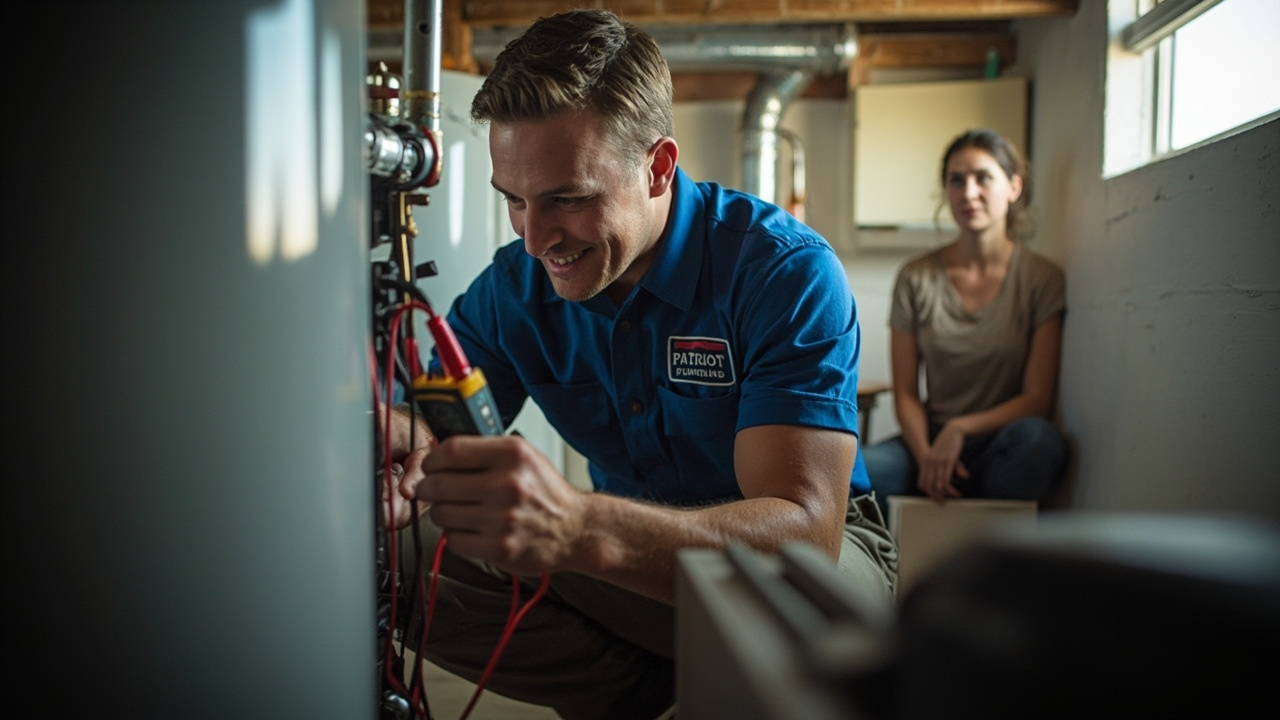
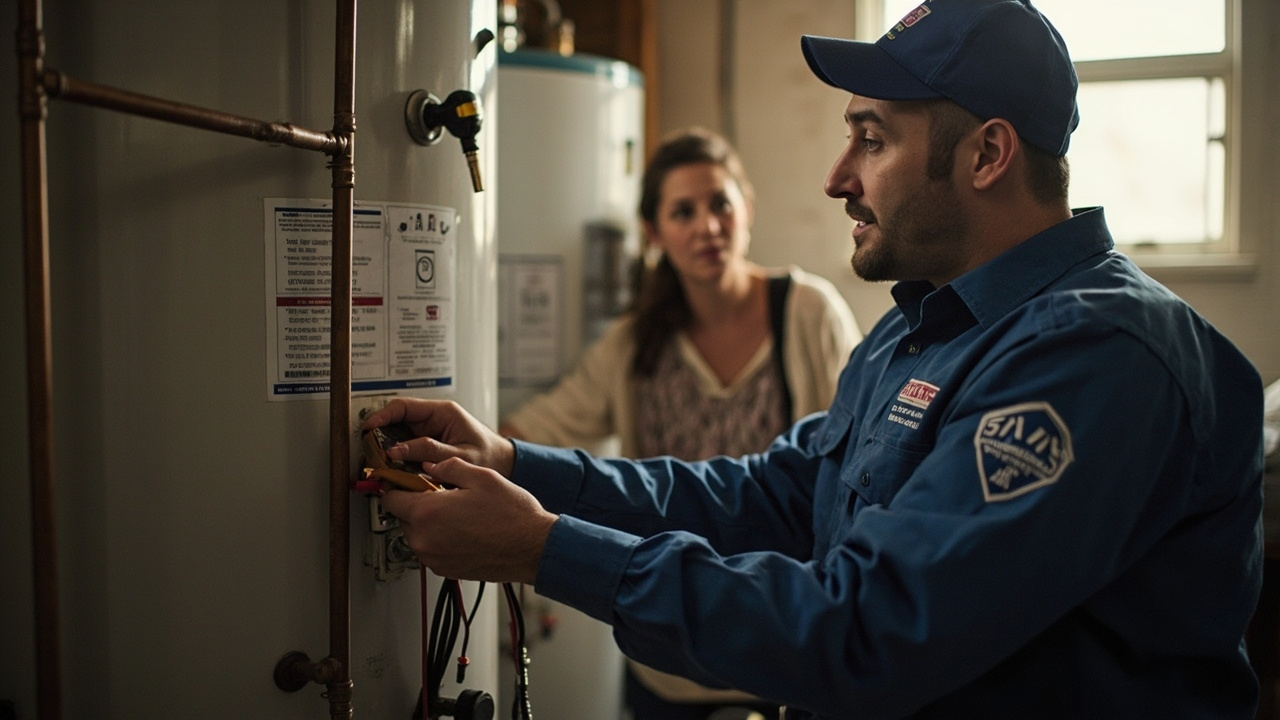
Our diagnostic approach eliminates guesswork through systematic testing of every component that affects hot water production. We start with voltage testing on electric units to confirm power reaches the heating elements. A multimeter reading at the upper and lower element terminals tells us immediately if electrical supply exists or if the high-limit switch tripped due to overheating.

For gas water heaters, we test thermocouple output with a millivolt meter. A properly functioning thermocouple generates 25 to 30 millivolts when heated. Readings below 20 millivolts indicate imminent failure. We also check gas pressure at the valve and verify the thermopile voltage on electronic ignition models. These measurements reveal problems that visual inspection misses completely.

Temperature differential testing identifies sediment problems before they destroy the tank. We measure inlet temperature, outlet temperature, and compare them against the thermostat setting. A 20-degree gap between setting and output points to insulation from sediment. We also drain a sample from the tank drain valve. Heavy sediment in this sample confirms buildup severe enough to block heat transfer.

We use thermal imaging to identify water heater issues that standard testing overlooks. Cold spots on the tank exterior reveal dead heating elements or areas where sediment blocks heat. Hot spots near the top of electric tanks indicate upper element failure forcing the lower element to compensate. This technology shows us exactly where problems exist inside sealed tanks.

The causes of no hot water extend beyond the water heater itself in some Buffalo homes. We test incoming water temperature, check expansion tank pressure, and verify that crossover valves in fixtures are not allowing hot and cold water to mix. A complete diagnosis covers the entire system, not just the obvious components.

What Happens During Your Water Heater Diagnostic Service

No Hot Water Diagnosis in Buffalo – Expert Troubleshooting That Identifies the Real Problem Fast
01

Component Function Testing

We begin by testing each component that produces or controls heat in your water heater. For electric units, this means checking continuity across heating elements, testing thermostat calibration, and measuring resistance. Gas units get thermocouple output testing, gas valve operation checks, and burner flame pattern analysis. These tests reveal which specific component failed and why your hot water disappeared.
02

System Performance Analysis

Next, we evaluate how well your water heater performs under actual demand conditions. We run hot water at multiple fixtures while monitoring temperature output, recovery rate, and pressure consistency. This real-world testing identifies capacity problems, circulation issues, and distribution system failures that static testing misses. We also inspect the venting system on gas units to confirm proper draft and combustion air supply.
03

Diagnosis Report and Solutions

After testing completes, we explain exactly what caused your hot water failure using the data we collected. You receive a written diagnosis that identifies failed components, explains why they failed, and outlines repair options with expected costs. We prioritize fixes based on urgency and show you which repairs restore hot water immediately versus which prevent future failures. You make the final decision with complete information.

Why Buffalo Homeowners Trust Our Water Heater Diagnostics

Buffalo's housing stock presents unique challenges for water heater service. We work in century-old homes in the Elmwood Village where original plumbing mixes with modern updates, newer construction in Amherst where builders cut corners, and everything between. This variety means we see problems other plumbers miss because we encounter the full range of installation quality and age-related failures.

Our technicians carry diagnostic equipment that most residential plumbing companies skip. The thermal cameras, millivolt meters, and water quality testing tools cost thousands, but they pay for themselves by eliminating diagnostic errors. When we tell you the upper heating element failed, we show you the meter reading that proves it. When we identify sediment buildup, you see the thermal image showing cold spots where heat should transfer.

We understand how Buffalo's water chemistry affects heater longevity. The moderately hard water from the Niagara River contains enough minerals to create buildup without being severe enough that homeowners install softeners. This middle ground means sediment accumulates slowly over years, then suddenly causes failure when buildup reaches critical mass. We factor this timeline into our diagnosis and help you understand whether your 8-year-old water heater failed prematurely or right on schedule.

Local building codes changed multiple times over the past two decades regarding water heater installation requirements. Older installations lack proper expansion tanks, have undersized gas lines, or use venting materials that no longer meet code. Patriot Plumbing Buffalo stays current with these requirements, so our diagnosis includes code compliance issues that could affect insurance claims or future home sales. We look beyond the immediate failure to identify any installation problems that contributed to it.

You get honest diagnosis because we price repairs fairly. We do not inflate problems to justify unnecessary work. If your water heater needs replacement rather than repair, we tell you why and show you the math. If a simple fix restores function, we recommend that option even when replacement pays us more.

What to Expect From Professional Water Heater Diagnosis

Same-Day Diagnostic Appointments

We schedule water heater diagnostic calls within 24 hours for most Buffalo neighborhoods. Morning appointments mean we typically complete testing before lunch. Afternoon slots work better if you need time to arrange access or clear the area around your water heater. The actual diagnostic process takes 45 to 90 minutes depending on your water heater type and the number of potential failure points we need to test. We arrive with all necessary testing equipment, so we never need to leave for tools or parts during diagnosis. Emergency diagnostics are available for situations where water damage is occurring or business operations are affected.

Comprehensive Testing Protocol

Our diagnostic service tests every component that could cause hot water failure. We measure electrical voltage, test gas pressure, check thermostat accuracy, inspect pressure relief valves, and evaluate venting systems. You watch the testing process if you want to understand what we find. We explain each test and what the results mean in plain terms. The diagnosis includes written documentation of all measurements and test results, which proves valuable if you need warranty service from the water heater manufacturer or if insurance coverage applies. We also photograph any code violations or safety hazards we discover.

Accurate Problem Identification

When we finish testing, you know exactly what failed and why. We differentiate between component failure, installation problems, and maintenance neglect. This clarity matters because it affects repair costs and prevents recurrence. A failed heating element costs less to fix than a corroded tank, and knowing which problem you face helps you budget appropriately. We provide repair estimates for all options, including parts and labor. If replacement makes more sense than repair, we explain the cost comparison and let you decide. Our diagnosis gives you the information you need to make the right choice for your situation and budget.

Follow-Up Support After Diagnosis

After diagnosis, you receive a detailed report that documents everything we tested and found. This report includes photos, test measurements, and repair recommendations prioritized by urgency. If you choose to delay repairs, we note which problems will worsen and which remain stable. We provide maintenance recommendations that extend your water heater's remaining life. When you schedule repairs based on our diagnosis, we guarantee the work addresses the identified problem. If hot water fails again within 30 days due to the same issue, we return to diagnose why the initial repair did not hold.

Frequently Asked Questions

You Have Questions,
We Have Answers

How to diagnose no hot water? +

Start by checking your circuit breaker or fuse box for tripped switches. For gas water heaters, verify the pilot light is lit. Test other hot water faucets throughout your Buffalo home to determine if the issue is isolated to one fixture or system-wide. Check the temperature setting on your water heater dial. Look for visible leaks around the tank base or connections. If you have an electric unit, the heating element may have failed. Buffalo's hard water accelerates sediment buildup, which can block heating elements and reduce efficiency. Document your findings before calling a plumber.

What is the most common cause of no hot water? +

Failed heating elements cause most no hot water issues in electric water heaters. These metal rods heat the water inside the tank and burn out over time. Buffalo's mineral-rich water speeds up corrosion and scaling, reducing element lifespan. For gas water heaters, a faulty thermocouple or extinguished pilot light is the common culprit. Sediment accumulation at the tank bottom also blocks heat transfer, making your system work harder. Tripped breakers, blown fuses, and thermostat failures rank as secondary causes. Annual flushing helps prevent sediment-related problems in Western New York homes.

What would cause hot water to not work? +

Power supply issues, broken heating elements, or a malfunctioning thermostat can stop hot water production. Gas water heaters may have pilot light problems, gas valve failures, or blocked burner assemblies. Sediment buildup from Buffalo's hard water creates a barrier between the heat source and water. Dip tube deterioration causes cold water to mix with hot water at the top of your tank. Corroded anode rods accelerate tank failure. Frozen pipes during harsh Buffalo winters can also block hot water flow. Age matters too. Water heaters older than 10 years fail more frequently.

Why have I suddenly got no hot water? +

Sudden hot water loss often means a heating element just failed or your pilot light went out. Buffalo's temperature swings can cause expansion and contraction that damages components. A tripped circuit breaker cuts power to electric units without warning. Sediment dislodged from your tank bottom may have blocked the dip tube or heating element. Gas supply interruptions affect gas water heaters. Thermostat failure can occur without visible signs. If you recently experienced a power outage or storm, electrical components may have sustained damage. Cold weather increases demand on your system, exposing weaknesses.

When should I call a plumber for no hot water? +

Call a plumber immediately if you smell gas near your water heater or see water pooling around the base. When you have zero hot water after checking the breaker and pilot light, professional diagnosis is needed. If your water heater makes loud banging, popping, or hissing sounds, internal damage may exist. Rust-colored hot water signals tank corrosion. Buffalo homeowners should call when their unit is over 10 years old and showing problems. Do not attempt repairs on gas lines, electrical components, or pressure relief valves yourself. These require licensed expertise for safety.

How to reset a hot water heater? +

For electric water heaters, locate your circuit breaker panel and flip the water heater breaker off, wait 30 seconds, then flip it back on. Some units have a red reset button on the thermostat behind the access panel. Turn off power first, remove the panel, press the button firmly, then restore power. For gas models, turn the gas control dial to "Pilot," wait five minutes for gas to clear, then relight following the instructions on your tank. Buffalo's voltage fluctuations can trip the high-limit switch. If reset fails, call a licensed plumber for diagnosis.

How Buffalo's Hard Water and Cold Winters Accelerate Water Heater Failure

Buffalo's location creates a perfect storm for water heater stress. The Great Lakes water supply contains enough mineral content to build up sediment inside tanks without triggering the water softener installations you see in truly hard water areas. This sediment accumulates gradually across years, insulating heating elements and forcing them to work harder. When winter arrives and inlet water temperature drops from 55 degrees in summer to 38 degrees in January, your water heater runs almost continuously trying to heat that frigid incoming water. The combination of sediment insulation and extended heating cycles burns out elements and thermocouples faster than in moderate climates. This is why properly diagnosing water heater issues in Buffalo requires understanding how local conditions affect component lifespan.

Patriot Plumbing Buffalo knows the specific failure patterns that affect homes throughout Erie County. We service water heaters in South Buffalo's older homes where basement flooding from spring snowmelt can damage gas valves, in Clarence where newer construction sometimes uses undersized water heaters for large homes, and in Kenmore where original 1950s plumbing creates unique diagnostic challenges. Our technicians encounter the full range of water heater ages and installation quality across the region. This experience means we identify water heater malfunction symptoms faster because we have seen how Buffalo's climate and water chemistry create predictable failure patterns. When you call us for diagnosis, you get local expertise that understands your specific situation.
Plumbing Services in The Buffalo Area

We are proud to serve our community and invite you to explore our service area. Whether you need a quick repair or a major installation, our team is ready to assist you. Our commitment extends throughout the region, ensuring every home and business has access to top-tier plumbing services. We look forward to being your trusted local partner and demonstrating why we are the right choice for all your plumbing needs.

Address:
Patriot Plumbing Buffalo, 737 Delaware Ave, Buffalo, NY, 14209

Additional Services We Offer

Our news updates

Latest Articles & News from The Blogs

The Ultimate Plumbing Inspection Checklist for Parkside Home Buyers Buying a home in Parkside means investing in one of Buffalo’s…

The Ultimate Plumbing Inspection Checklist for Parkside Home Buyers

The Ultimate Plumbing Inspection Checklist for Parkside Home Buyers Buying a home in Parkside means investing in one of Buffalo’s…

How to Stop Your Depew Basement Floor Drain from Backing Up

How to Stop Your Depew Basement Floor Drain from Backing Up When sewage or water starts rising from your basement…

Maintaining the Historic Radiator and Boiler Systems in Buffalo University District Homes

Maintaining the Historic Radiator and Boiler Systems in Buffalo University District Homes \n\n The University District’s century-old radiator systems face…

Contact Us

Stop guessing why your hot water disappeared. Call Patriot Plumbing Buffalo at (716) 317-6655 for accurate diagnosis that identifies the real problem. We schedule same-day appointments throughout Buffalo and provide written reports that explain exactly what failed and what it costs to fix.