
The Honest Truth About Using Liquid Drain Cleaners in Old Black Rock Homes
Black Rock’s charming century-old homes come with beautiful architecture but aging plumbing that can turn a simple clog into a costly disaster. If you’re reaching for a liquid drain cleaner, you might be making a dangerous mistake that could crack pipes, corrode joints, or create toxic fumes. Here’s what every Black Rock homeowner needs to know before pouring another drop down the drain. Who to Call for a Midnight Plumbing Emergency in Amherst.
Old Black Rock homes typically have cast iron, galvanized steel, or even lead pipes that were built to last but are now extremely vulnerable to chemical damage. These pipes have thin walls, internal corrosion, and joints that have weakened over decades of Buffalo’s freeze-thaw cycles and hard water mineral buildup. When harsh chemicals hit these compromised systems, the results can be immediate and expensive. Buffalo Sewer Authority.
The Danger of Chemical Cleaners for Older Plumbing
Chemical drain cleaners work through exothermic reactions that generate intense heat to melt clogs. In modern PVC pipes, this heat might be manageable. In Black Rock’s century-old cast iron or galvanized steel pipes, that same heat can crack brittle material or warp already-thin walls. The chemical reaction also produces corrosive byproducts that eat away at the pipe’s interior lining, creating weak spots that eventually leak or burst. How to Fix Frozen Pipes Before They Burst This Winter in Buffalo.
Common ingredients like sodium hydroxide (caustic soda) and sulfuric acid create pH levels that can strip protective coatings from old pipes. When these chemicals hit lead pipes common in pre-1950s Black Rock homes, they can actually dissolve the metal, releasing toxic lead into your water supply. The Buffalo Water Board has documented cases where chemical drain cleaners accelerated lead contamination in older neighborhoods. Get Your Hot Water Back Fast with Williamsville Water Heater Replacement.
Golden Nugget #1: Black Rock homes built before 1940 often have clay sewer laterals that connect to cast iron stacks. These clay pipes are particularly vulnerable to chemical cleaners because they’re already brittle from age and ground movement. A single chemical treatment can fracture a clay sewer line, causing sewage backups that require complete excavation to repair.
Buffalo’s Historic Homes: Common Pipe Materials
Understanding what’s behind your walls is crucial before using any drain cleaner. Black Rock’s housing stock includes several pipe materials that react very differently to chemicals:. Read more about How to Properly Clean and Maintain a Kitchen Grease Trap in Five Points.
- Cast Iron: Found in homes built 1900-1960, these pipes have heavy scale buildup from Buffalo’s hard water. The scale provides some protection, but chemical cleaners can penetrate and corrode the base metal underneath.
- Galvanized Steel: Common in homes built 1920-1950, these pipes are already rusting from the inside out. Chemical cleaners accelerate this corrosion, often causing pinhole leaks within weeks.
- Lead: Used in homes built before 1940, lead pipes are soft and easily damaged. Chemical cleaners can dissolve lead, creating both structural failure and serious health hazards.
- Clay Sewer Laterals: Nearly universal in Black Rock homes built before 1970, these pipes connect your home to the city sewer system. They’re extremely brittle and can shatter from chemical heat or pressure.
Buffalo’s water chemistry makes things worse. Our high mineral content creates scale buildup that traps chemicals against pipe walls, extending contact time and increasing damage. The freeze-thaw cycles common in Black Rock’s older homes also create micro-fractures that chemicals exploit.. Read more about Common DIY Plumbing Mistakes We See in Harris Hill and How to Avoid Them.
Top Recommendation: Enzymatic Cleaners
For Black Rock’s aging pipes, enzymatic cleaners are the safest option. These products use bacteria and enzymes to digest organic matter like hair, grease, and food waste without generating heat or corrosive chemicals. They work slowly but safely, making them ideal for maintaining old plumbing systems. Professional Plumbing Hookups for Your Clarence Bathroom Remodel.
Popular enzymatic brands include Bio-Clean and Earth Enzymes. These products contain living bacteria that continue working for days after application, breaking down clogs gradually without damaging pipes. They’re also environmentally friendly and won’t harm your septic system if you have one.. Read more about Warning Signs Your Septic Tank Needs Pumping in Marilla or Alden.
Golden Nugget #2: The Buffalo Sewer Authority recommends enzymatic cleaners for homes with clay sewer laterals because they won’t cause the thermal shock that cracks brittle clay. They also won’t interfere with the biological processes in your septic tank, which is crucial for homes in areas like Grant-Amherst where municipal sewer connections aren’t available.

DIY Natural Solutions (The Baking Soda & Vinegar Myth)
The internet is full of baking soda and vinegar drain cleaning recipes, but here’s the honest truth: this combination creates a mild fizzing reaction that might dislodge some loose debris, but it won’t clear a serious clog. The reaction produces carbon dioxide gas and water, which is far too weak to cut through hair, grease, or mineral buildup.. Read more about Cleaning Out Old Cast Iron Pipes in South Buffalo Homes.
However, a modified baking soda treatment can help maintain clean drains in old Black Rock homes. Try this safe flush protocol once a month:
- Pour one cup of baking soda down the drain
- Follow with one cup of white vinegar
- Cover the drain and let it fizz for 15 minutes
- Flush with one gallon of boiling water (carefully)
- Finish with cold water for one minute
This method won’t damage pipes and can help prevent minor buildup. The boiling water step should be used cautiously in very old homes with lead pipes, as extreme temperature changes can stress already-compromised joints.
When a ‘Safe’ Cleaner Isn’t Enough
Sometimes even enzymatic cleaners can’t solve the problem. Black Rock’s tree-lined streets mean many homes have root intrusion in their sewer lines. Buffalo’s mature maples and oaks send roots searching for water, and old clay sewer laterals provide perfect entry points through joints or cracks.
Signs you have a main line clog rather than a simple drain blockage include:
- Multiple drains backing up simultaneously
- Gurgling sounds from toilets when other fixtures drain
- Sewer odors coming from floor drains
- Water backing up into basement floor drains during heavy rain
Golden Nugget #3: The New York State Plumbing Code Section 312.10 requires professional inspection of main sewer lines in homes over 50 years old. In Black Rock, where the average home age exceeds 80 years, this inspection isn’t just recommended—it’s legally required before major plumbing work can be performed.
Root intrusion requires professional hydro-jetting or mechanical snaking. These methods use high-pressure water or rotating cables to clear blockages without chemicals. Patriot Plumbing uses specialized equipment that can navigate Black Rock’s tight crawl spaces and old pipe configurations without causing additional damage.. Read more about The Ultimate Plumbing Inspection Checklist for Parkside Home Buyers.
Comparison: Drain Cleaning Methods for Old Pipes
| Method | Safety for Old Pipes | Effectiveness | Cost Range | Best For |
|---|---|---|---|---|
| Chemical Cleaners | High Risk | Moderate | $5-15 | Emergency only |
| Enzymatic Cleaners | Very Safe | Low-Moderate | $10-30 | Maintenance |
| Baking Soda/Vinegar | Very Safe | Low | $2-5 | Prevention |
| Mechanical Snaking | Safe | High | $150-300 | Clogs |
| Hydro-jetting | Very Safe | Very High | $300-600 | Main line |
Buffalo-Specific Drain Concerns
Black Rock’s location near the Niagara River and its older infrastructure create unique plumbing challenges. The area’s high water table means many homes have sump pumps that can back up if main lines clog. During Buffalo’s notorious lake-effect snow events, frozen exterior vent stacks can cause slow drains that homeowners mistake for clogs.. Read more about Clearing Stubborn Clogs in Older Elmwood Village Homes.
The combined sewer overflow system in parts of Black Rock also means that heavy rain can cause backups even if your internal plumbing is clear. This isn’t a drain cleaning issue—it’s a municipal infrastructure problem that requires professional assessment.
Buffalo’s hard water, with its high calcium and magnesium content, creates scale buildup that narrows pipe diameters over time. In Black Rock homes, this means pipes that were 4 inches in diameter when installed might now be effectively 2 inches or less. Chemical cleaners can’t dissolve this scale, and they often make the problem worse by creating channels through the scale that weaken the pipe structure.
The Point of No Return: When to Call a Professional
DIY drain cleaning becomes dangerous when you’ve tried multiple methods without success. Each failed attempt can push a clog deeper or create pressure that damages old pipe joints. In Black Rock’s older homes, a simple P-trap leak can lead to mold growth behind walls or ceiling damage below.
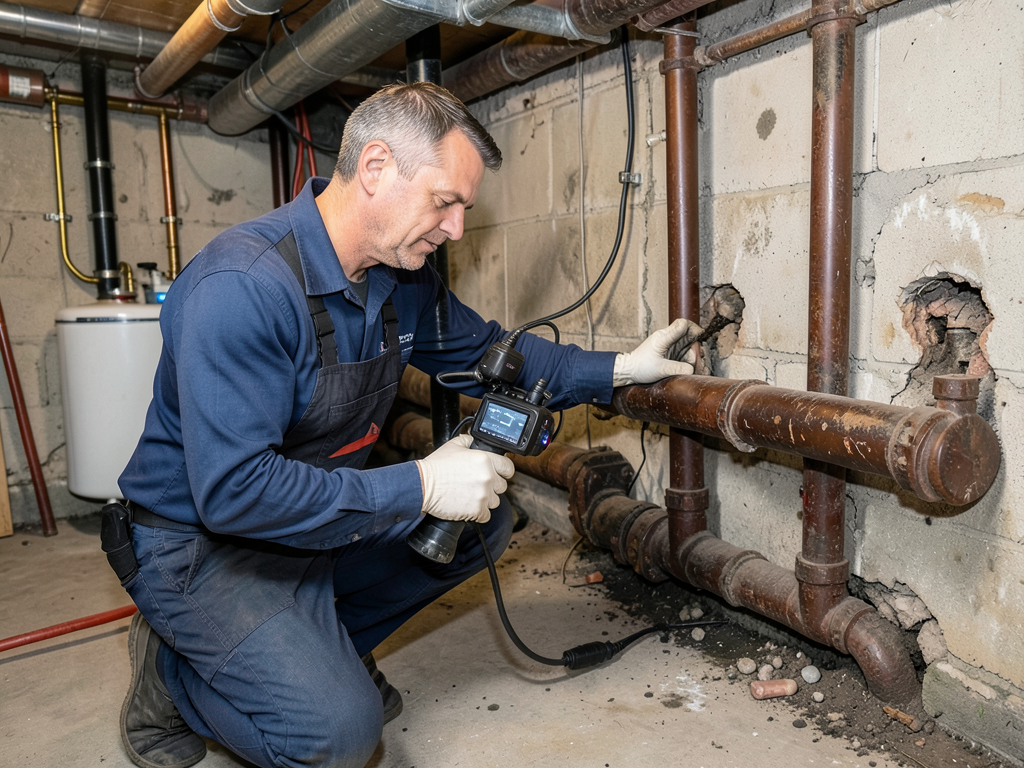
Professional plumbers use video camera inspection to see exactly what’s happening inside your pipes. This technology can identify pipe material, locate blockages, and spot developing problems before they cause major damage. For Black Rock homes, this inspection is particularly valuable because it can reveal issues like separated joints, root intrusion, or pipe collapse that chemical cleaners would only worsen.
The cost of professional drain cleaning varies based on the complexity of your home’s plumbing. In Black Rock’s older homes with multiple bathrooms and finished basements, accessing cleanout points can be challenging. Patriot Plumbing’s technicians are familiar with the unique layouts of Black Rock’s historic homes and can work efficiently without causing unnecessary damage to walls or flooring. Is Your Cheektowaga Basement Flooding? Here is the Sump Pump Repair You Need.
Protecting Your Investment: Long-Term Drain Maintenance
Once you’ve cleared a clog in an old Black Rock home, prevention becomes crucial. The area’s aging infrastructure means that problems tend to recur if underlying issues aren’t addressed. Consider these maintenance steps:
- Annual enzymatic cleaner treatments to prevent buildup
- Professional main line inspection every 3-5 years
- Installation of drain screens to catch hair and debris
- Regular cleaning of P-traps under sinks
- Monitoring water pressure, which can stress old pipes
Black Rock’s historic preservation guidelines actually encourage these maintenance practices because they prevent the need for major plumbing replacements that could damage historic features. Many Black Rock homeowners find that proactive maintenance costs less than emergency repairs and helps preserve their home’s value.
The Buffalo Climate Action Plan also supports these practices because they reduce water waste and prevent the environmental damage caused by chemical drain cleaners entering the municipal system.
Frequently Asked Questions
Can I use liquid drain cleaner in my 100-year-old Black Rock home?
No, liquid drain cleaners are too harsh for century-old pipes. They can crack cast iron, corrode galvanized steel, and dissolve lead pipes. Use enzymatic cleaners instead or call a professional plumber.
How do I know if I have lead pipes in my Black Rock house?
Homes built before 1940 often have lead pipes. You can check by scraping an exposed pipe with a screwdriver—if it’s soft and shiny, it’s likely lead. Professional plumbers can also use specialized testing equipment to identify pipe materials.
What’s the safest way to clear a slow drain in an old home?
Start with enzymatic cleaners and the baking soda/vinegar method. If those don’t work within 24 hours, call a professional plumber who can use mechanical methods that won’t damage old pipes.
How much does professional drain cleaning cost in Black Rock?
Basic drain snaking typically costs $150-300, while main line cleaning with hydro-jetting ranges from $300-600. These prices reflect the complexity of working in Black Rock’s older homes with their unique plumbing layouts.
Will chemical drain cleaners damage my Black Rock home’s sewer lateral?
Yes, chemical cleaners can crack the clay sewer laterals common in Black Rock homes built before 1970. The heat generated by chemical reactions can shatter brittle clay, requiring expensive excavation to repair.
How often should I have my Black Rock home’s drains professionally cleaned?
For homes over 50 years old, professional inspection every 3-5 years is recommended. If you experience frequent clogs or slow drains, annual maintenance may be necessary to prevent major plumbing issues.
Don’t Risk Your Home’s Plumbing
Black Rock’s historic homes deserve careful maintenance, not harsh chemicals that can cause thousands of dollars in damage. If you’re dealing with persistent drain problems, the safest approach is to call a local plumber who understands the unique challenges of Buffalo’s older housing stock.
Patriot Plumbing has been serving Black Rock and surrounding neighborhoods for years, with specialized experience in historic home plumbing. Our technicians use modern diagnostic tools to identify problems without causing damage, and we offer safe, effective solutions that protect your pipes while clearing clogs.
Don’t wait until a small clog becomes a major plumbing emergency. Call (716) 317-6655 today to schedule your professional drain inspection. We’ll diagnose the problem, explain your options, and provide upfront pricing so you can make an informed decision about protecting your Black Rock home’s plumbing system.
Pick up the phone and call (716) 317-6655 before the next storm hits. Buffalo’s weather waits for no one, and neither should you when it comes to protecting your home’s plumbing. For more information, visit New York State Plumbing Code.
You may also find this helpful. How to Stop Your Depew Basement Floor Drain from Backing Up.