Menu

Emergency Basement Flooding Pump-Out in Buffalo – We Arrive Within 60 Minutes to Stop the Damage

When your basement floods, every minute counts. Our rapid basement flooding pump-out service protects your foundation, prevents mold growth, and removes standing water fast so you can reclaim your space.

Slider Image 1
Slider Image 2
Slider Image 3
Slider Image 4
Slider Image 5
Slider Image 7
Slider Image 8
Slider Image 9
Slider Image 10
Slider Image 11

Buffalo's Ground Freeze Cycles and Spring Thaws Create Perfect Basement Flooding Conditions

Your heart drops when you see water pooling across your basement floor. In Buffalo, basement flooding is not just a spring problem. It is a year-round threat driven by our brutal freeze-thaw cycles, aging sewer laterals in neighborhoods like the West Side and Black Rock, and clay-heavy soil that shifts with temperature swings.

When the ground freezes deep in January, then thaws rapidly in March, hydrostatic pressure builds against foundation walls. Combine that with Buffalo's average 40 inches of annual precipitation, and you have the perfect recipe for emergency basement water removal situations. Older homes near Scajaquada Creek or along the Niagara River corridor face additional risk from rising water tables during heavy rain events.

Standing water in your basement is not just an inconvenience. It is a ticking clock. Within 24 hours, mold spores begin colonizing drywall and wood framing. Within 48 hours, structural damage accelerates as water wicks up into floor joists. Flooded basement extraction service needs to happen immediately to prevent costly secondary damage.

You need a basement water pump out service that understands Buffalo's unique hydrology. Generic flood response does not account for the compacted glacial till under our foundations or the combined sewer overflow issues in older city sections. Emergency flood pumping requires local expertise, industrial-grade equipment, and the ability to deploy within the hour. When your sump pump fails at 2 AM during a March ice dam melt, you cannot wait until morning.

Buffalo's Ground Freeze Cycles and Spring Thaws Create Perfect Basement Flooding Conditions
How Professional Emergency Basement Water Removal Stops Damage in Its Tracks

How Professional Emergency Basement Water Removal Stops Damage in Its Tracks

When you call for flooded basement water removal services, you need more than a shop vacuum and hope. You need submersible pumps capable of moving hundreds of gallons per minute, moisture meters to track hidden saturation, and extraction wands that pull water from carpet padding and subflooring.

Our emergency flood pumping process starts with a source assessment. Is this a sump pump failure, a sewer backup, or groundwater intrusion through foundation cracks? Buffalo's aging infrastructure means we often see combined sewer overflow events during heavy storms, especially in the Lower West Side and parts of South Buffalo. That changes our approach because sewage contamination requires different protocols than clean groundwater.

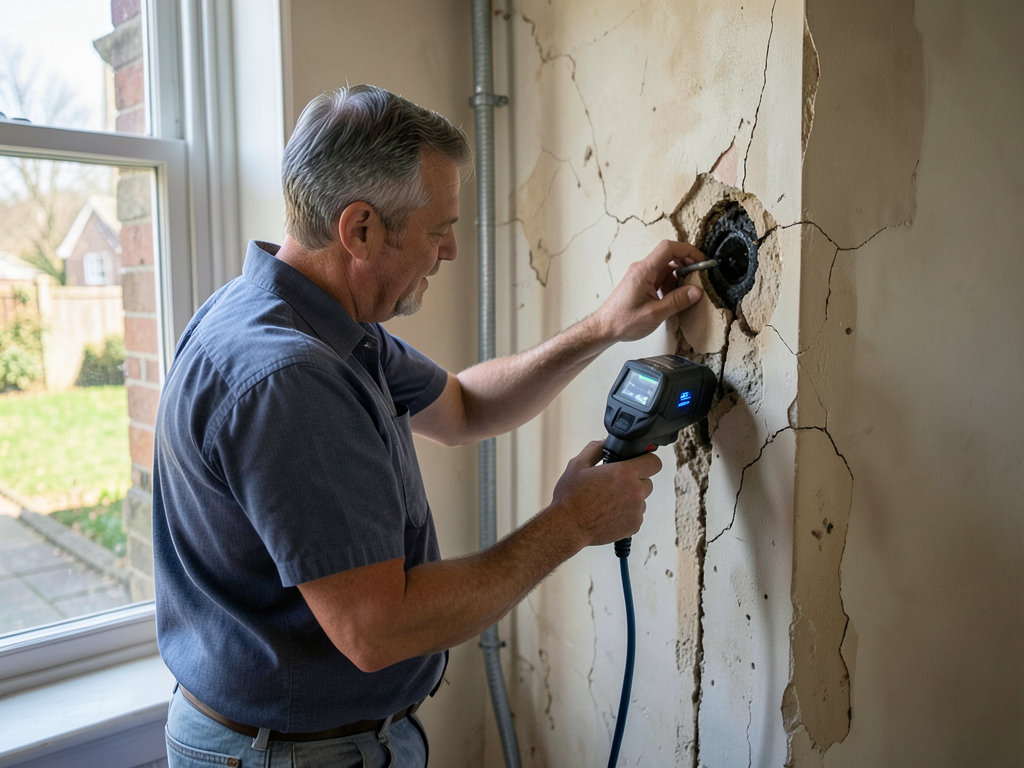
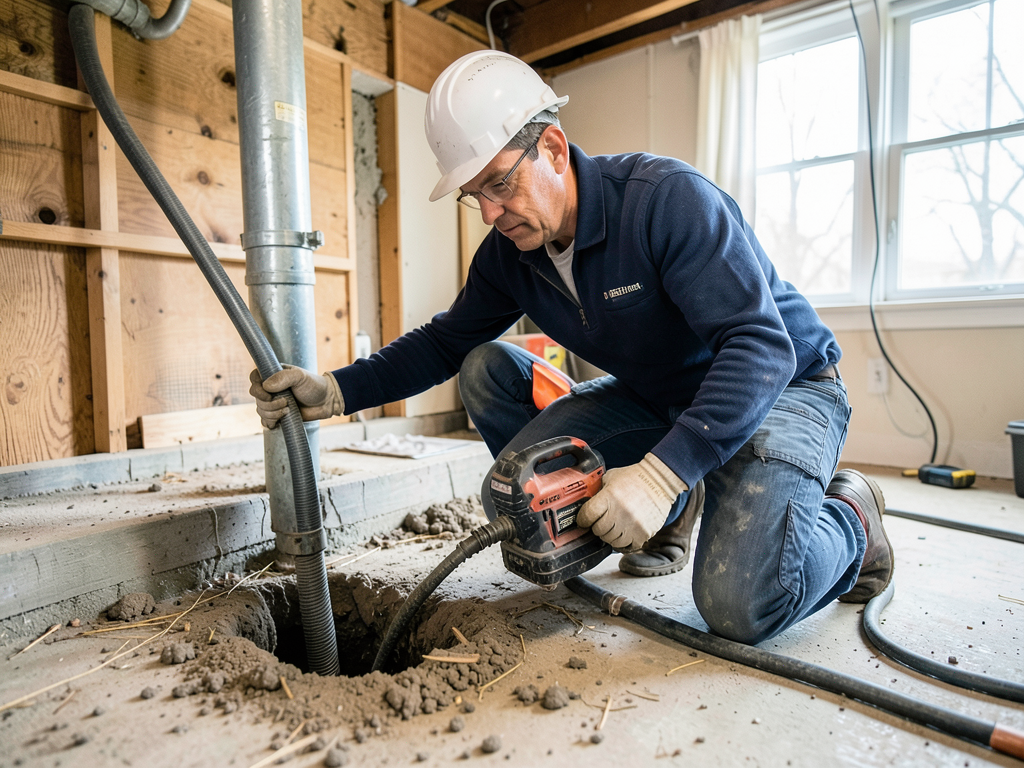
We deploy truck-mounted extraction units with enough suction power to pull standing water through basement drains and directly into holding tanks. For deep flooding over six inches, we use gas-powered trash pumps that can handle debris without clogging. We are not just removing visible water. We use thermal imaging cameras to identify moisture trapped in wall cavities and under finished flooring.

After extraction, we set up commercial-grade air movers and dehumidifiers configured for your basement's square footage and ceiling height. Airflow patterns matter. We position equipment to create circulation that drives moisture toward dehumidifier intake, accelerating dry-down time from days to hours.

Every job ends with a moisture map. We document readings at floor level, mid-wall, and ceiling joists to confirm your basement has returned to normal humidity levels. This is not just thoroughness. It is protection against mold litigation and insurance claim disputes.

What Happens When You Call for Basement Flooding Pump-Out

Emergency Basement Flooding Pump-Out in Buffalo – We Arrive Within 60 Minutes to Stop the Damage
01

Immediate Dispatch and Assessment

Your call triggers immediate technician dispatch. We ask critical questions while en route. How many inches of standing water? Is the water still rising? Any sewage odor? This phone assessment allows us to stage the correct pumps and safety gear. Our trucks carry everything from small utility pumps for minor seepage to 3-inch trash pumps for major flooding. We arrive with hazmat suits if you report sewer backup.
02

Water Extraction and Source Control

We locate the water source first. If your sump pump failed, we install a temporary backup pump while extracting standing water. If groundwater is entering through foundation cracks, we mark locations for future waterproofing. Our extraction process is systematic. We start at the lowest point, using weighted extraction wands to pull water from carpet and padding. Truck-mounted units remove thousands of gallons without overloading your home's electrical system.
03

Drying and Damage Prevention

Once visible water is removed, we deploy air movers and dehumidifiers to address hidden moisture. We pull baseboards to circulate air behind walls. We lift carpet to dry padding and subfloor separately. Our moisture meters track progress every four hours. You receive a completion report showing before and after readings at multiple locations. This documentation is critical for insurance claims and proves your basement is safe from mold growth.

Why Buffalo Homeowners Trust Patriot Plumbing Buffalo for Emergency Basement Water Removal

When your basement floods at midnight, you need a company that answers the phone and shows up fast. Patriot Plumbing Buffalo operates 24/7/365 because basement flooding does not wait for business hours. Our average response time across Buffalo, Cheektowaga, and Amherst is under 60 minutes.

We know Buffalo basements. Homes built before 1950 in neighborhoods like Parkside and North Buffalo often have limestone foundations prone to deterioration. Post-war construction in Kenmore and Tonawanda typically features block foundations vulnerable to hydrostatic pressure. We have pumped out basements in every zip code from 14201 to 14228, and we understand the soil conditions, drainage patterns, and infrastructure challenges unique to each area.

Our equipment inventory includes specialized pumps for every scenario. Standard sump pump failures get handled with our backup pumps and battery systems. Major flooding from broken water mains requires our trailer-mounted units capable of 500 GPM flow rates. Sewage backups trigger our contaminated water protocols, including proper disposal at approved treatment facilities.

You will not get a rookie crew on an emergency call. Our lead technicians average eight years of field experience in water damage restoration. They hold IICRC Water Damage Restoration Technician certifications and complete annual training on new extraction methods and moisture detection technology.

We work directly with every major insurance carrier serving Western New York. We know what documentation State Farm, Allstate, and Erie Insurance require. We photograph damage before extraction begins, log equipment runtime, and provide detailed moisture readings. This makes your claim process smoother and faster.

What to Expect During Emergency Basement Flood Pumping

Response Time and Availability

We dispatch within 15 minutes of your call, any hour of any day. Our service area covers all of Erie County, and we stage equipment in multiple locations to minimize drive time. You will receive an ETA when we dispatch, along with your technician's direct cell number. If we are managing multiple emergencies during a major storm event, we triage based on severity. Active flooding with rising water gets priority over standing water that has stabilized. Most customers see a truck in their driveway within 45 to 90 minutes.

Site Evaluation and Safety Assessment

Before we touch a pump, we assess electrical hazards. Flooded basements can energize standing water if outlets are submerged. We shut off power at the breaker panel if necessary and use ground fault protected generators for our equipment. We test water for sewage contamination using field bacteria tests. If we detect fecal coliforms, we upgrade to Category 3 water protocols, which means full hazmat gear and antimicrobial treatment after extraction. You receive a written assessment identifying the water category, contamination level, and recommended next steps.

Extraction Results and Dry-Down

Our goal is measurable dryness, not just visual dryness. We extract until moisture meters read below 15 percent at floor level and below 12 percent in wall cavities. These are industry standard thresholds that prevent mold growth. Depending on your basement size and ventilation, complete dry-down takes 24 to 72 hours. We leave air movers and dehumidifiers running continuously during this period and return for progress checks every 12 hours. You will see the moisture levels dropping in real time on our handheld meters.

Follow-Up and Prevention Planning

After your basement is dry, we provide a written report documenting the source of flooding, moisture readings throughout the dry-down process, and equipment used. We also include recommendations to prevent future flooding. This might include sump pump replacement, battery backup installation, foundation crack sealing, or exterior drainage improvements. We do not push services you do not need, but we will tell you if your current sump pump is undersized for Buffalo's soil conditions or if your discharge line freezes every winter. Knowledge is your best defense against repeat flooding.

Frequently Asked Questions

You Have Questions,
We Have Answers

How to pump water out of a flooded basement? +

Stop the water source first if safe to do so. Turn off power to the basement at your main panel to avoid electrocution. Call a professional 24/7 emergency pump-out service in Buffalo immediately. They use high-capacity submersible pumps and truck-mounted equipment to remove standing water fast. Do not enter deep water yourself. Buffalo basements flood from burst pipes, snowmelt infiltration, and spring runoff overwhelming foundation drains. Professionals assess structural safety, extract water, then identify the source. Speed matters. Every hour standing water remains increases mold risk and structural damage to your foundation.

How much does it cost to pump out a flooded basement? +

Costs vary based on water depth, basement square footage, and contamination level. Minor pump-outs start around a few hundred dollars, while severe flooding with sewage backup or structural concerns costs more. Buffalo basements often require additional foundation sealing or sump pump installation after extraction. Emergency services typically charge premium rates for 24/7 response, but waiting increases total repair costs exponentially due to mold remediation and structural damage. Request a transparent quote upfront. Most reputable companies assess the situation before starting work and help you document damage for insurance claims. Time is money during a flood.

How long will it take to pump the water out of the basement? +

Small basements with a few inches of water take one to three hours using professional-grade pumps. Larger basements or deep flooding may take six to twelve hours. Buffalo homes built before the 1980s often have complex foundation layouts that slow extraction. Professionals pump gradually to prevent hydrostatic pressure imbalance that can crack foundation walls. Contaminated water requires slower, more careful removal. The crew also moves furniture, documents damage for insurance, and begins drying immediately after extraction. Do not expect instant results. Safe, thorough water removal prevents worse problems later. Focus on getting help fast, not pumping fast.

What kind of pump do I need to pump water out of my basement? +

You need a submersible utility pump rated for solids if debris is present. For clean groundwater, a standard sump pump works. Buffalo flooding often contains sediment from clay soil and old plumbing systems. Professionals use high-capacity pumps moving 50 to 100 gallons per minute, far exceeding consumer models. For sewage backup, specialized trash pumps handle contaminated water safely. Do not use a shop vacuum for deep water. Rental pumps from hardware stores work for minor seepage, but emergency flooding demands commercial equipment and expertise. If you have more than six inches of water or any electrical concerns, call professionals immediately.

How do I get 2 inches of water out of my basement? +

For two inches of standing water, use a wet vacuum or small submersible utility pump from a hardware store. Work from the lowest point outward. Pump or vacuum water into a floor drain, utility sink, or outside through a hose. Buffalo basements often have uneven concrete floors, creating low pockets where water collects. Use towels and mops for remaining moisture. Run dehumidifiers and fans immediately to prevent mold. If water keeps returning, you have an active leak or groundwater intrusion. Stop extraction and call a plumber to find the source. Temporary fixes will not solve ongoing seepage problems.

What to do immediately after a basement flood? +

Turn off electricity to the basement at your main breaker panel. Do not enter standing water if power is on. Stop the water source if safe. Call a 24/7 emergency pump-out service in Buffalo immediately. Photograph and document all damage for insurance before touching anything. Move valuables to higher ground if accessible safely. Do not attempt major cleanup yourself during active flooding. Professionals handle extraction, assess structural safety, and begin drying to prevent mold within 24 hours. Buffalo humidity accelerates mold growth after flooding. Contact your insurance company within hours. Speed and professional response minimize total damage and repair costs.

Will insurance pay for a flooded basement? +

Coverage depends on your policy and flood cause. Standard homeowner policies cover sudden burst pipes, sewer backups with endorsements, and appliance failures. They typically exclude groundwater seepage, surface water flooding, and poor maintenance. Buffalo spring thaw and heavy rain events often cause disputed claims. Sump pump failure may be covered if you have equipment breakdown coverage. Review your policy immediately and document everything with photos. Call your agent before cleanup begins. Many insurers require professional assessment and itemized invoices. Flood insurance through FEMA covers natural flooding but has waiting periods. Read your declarations page closely.

Do plumbers fix flooded basements? +

Yes. Licensed plumbers handle flooded basement pump-outs, especially when caused by burst pipes, sewer backups, or failed sump pumps. Buffalo plumbers responding to flooding use commercial-grade extraction equipment and identify the water source immediately. They repair broken pipes, install or replace sump pumps, and address foundation drain clogs. Plumbers also coordinate with restoration companies for drying and mold prevention. For sewage contamination, you need a plumber familiar with hazardous waste protocols. Calling a plumber first makes sense if you suspect a plumbing failure caused the flood. They fix the problem and prevent recurrence, not just remove water.

Will a flooded basement dry on its own? +

No. A flooded basement will not dry safely on its own in Buffalo. High regional humidity and cool basement temperatures create perfect mold conditions within 24 to 48 hours. Standing water seeps into drywall, insulation, and wood framing. Concrete absorbs moisture, leading to efflorescence and structural weakening. Even after surface water evaporates, hidden moisture remains in walls and subfloors. You need professional-grade dehumidifiers, air movers, and moisture meters to dry properly. Ignoring the problem guarantees mold, wood rot, and foundation damage costing thousands more than immediate professional drying. Do not wait. The clock starts the moment flooding begins.

How likely is mold after water damage? +

Mold begins growing within 24 to 48 hours after water exposure. In Buffalo basements with poor ventilation and high humidity, mold is almost guaranteed if you do not act fast. Porous materials like drywall, insulation, carpet, and wood absorb water quickly and become mold food sources. Even after visible water disappears, moisture trapped in walls feeds growth. Black mold and other toxic species thrive in damp, dark conditions. Professional drying with dehumidifiers and air movers within hours dramatically reduces mold risk. Waiting even one day increases remediation costs and health risks. Treat every flood as a mold emergency.

Why Buffalo's Clay Soil and Freeze-Thaw Cycles Make Basement Flooding Pump-Out Critical

Buffalo sits on dense glacial till and clay soil that expands when saturated and contracts when frozen. This constant movement creates hydrostatic pressure against foundation walls, pushing groundwater through any crack or seam. When temperatures swing from 10 degrees in February to 50 degrees in March, the ground releases massive volumes of meltwater faster than municipal storm sewers can handle. Neighborhoods near Ellicott Creek and Cayuga Creek see basement flooding almost every spring thaw. Emergency basement water removal becomes essential because this is not a question of if your basement will flood, but when.

Patriot Plumbing Buffalo has pumped out basements across every Buffalo neighborhood for years. We understand the quirks of 1920s limestone foundations in the Elmwood Village, the sump pump requirements for split-level homes in Clarence, and the combined sewer overflow risks in older sections of South Buffalo. Our technicians live here and have seen how Lake Erie wind-driven rain events overwhelm drainage systems in Riverside and Black Rock. We are not a national franchise reading from a script. We are your neighbors who know exactly what Buffalo basements endure and how to protect them.
Plumbing Services in The Buffalo Area

We are proud to serve our community and invite you to explore our service area. Whether you need a quick repair or a major installation, our team is ready to assist you. Our commitment extends throughout the region, ensuring every home and business has access to top-tier plumbing services. We look forward to being your trusted local partner and demonstrating why we are the right choice for all your plumbing needs.

Address:
Patriot Plumbing Buffalo, 737 Delaware Ave, Buffalo, NY, 14209

Additional Services We Offer

Our news updates

Latest Articles & News from The Blogs

The Ultimate Plumbing Inspection Checklist for Parkside Home Buyers Buying a home in Parkside means investing in one of Buffalo’s…

The Ultimate Plumbing Inspection Checklist for Parkside Home Buyers

The Ultimate Plumbing Inspection Checklist for Parkside Home Buyers Buying a home in Parkside means investing in one of Buffalo’s…

How to Stop Your Depew Basement Floor Drain from Backing Up

How to Stop Your Depew Basement Floor Drain from Backing Up When sewage or water starts rising from your basement…

Maintaining the Historic Radiator and Boiler Systems in Buffalo University District Homes

Maintaining the Historic Radiator and Boiler Systems in Buffalo University District Homes \n\n The University District’s century-old radiator systems face…

Contact Us

Every minute you wait, the damage spreads. Call (716) 317-6655 now and we dispatch immediately. Our trucks are ready, our pumps are staged, and our technicians are standing by 24/7 to stop your basement flooding emergency.