Menu

Commercial Repiping Services in Buffalo | Minimize Downtime and Restore Business Operations Fast

Industrial-grade commercial building repiping designed for Buffalo businesses that cannot afford extended closures, with phased installation schedules that keep your operations running while we replace corroded infrastructure.

Slider Image 1
Slider Image 2
Slider Image 3
Slider Image 4
Slider Image 5
Slider Image 7
Slider Image 8
Slider Image 9
Slider Image 10
Slider Image 11

Why Buffalo's Aging Commercial Infrastructure Is Costing You More Than You Think

Buffalo's freeze-thaw cycles are brutal on commercial plumbing systems. When temperatures swing from below zero to above freezing repeatedly each winter, the expansion and contraction stress galvanized steel and copper pipes installed decades ago. Most commercial buildings in the Elmwood Village, Allentown, and downtown districts were built between 1890 and 1950, when pipe materials and installation standards did not account for modern demand loads or today's chemical water treatments.

Corroded pipes do not just leak. They contaminate water supplies, reduce pressure to critical equipment, and create liability exposure for property managers and business owners. A manufacturing facility on the East Side recently lost three days of production when a 60-year-old main supply line burst during a cold snap. The water damage extended beyond the pipe itself, destroying inventory and forcing an emergency shutdown.

Commercial pipe replacement becomes necessary when patch repairs cost more than systematic replacement, when you face repeated failures in different sections, or when inspection reveals widespread internal corrosion. Buffalo's municipal water contains chlorine and minerals that accelerate deterioration in older piping materials. Industrial repiping services address the entire distribution system, not just visible problems.

If your building was constructed before 1970, your pipes are likely galvanized steel or early copper installations. Both materials have predictable failure curves. Galvanized pipes corrode from the inside out, reducing flow capacity years before visible leaks appear. Waiting for catastrophic failure means accepting business interruption, emergency pricing, and potential tenant disputes.

Commercial building repiping eliminates cascading failures. When one section of old pipe bursts, the stress shifts to adjacent sections. Business pipe replacement done proactively costs less than reactive emergency work and allows you to schedule around peak business periods.

Why Buffalo's Aging Commercial Infrastructure Is Costing You More Than You Think
How We Execute Commercial Plumbing Repipe Projects Without Shutting Down Your Business

How We Execute Commercial Plumbing Repipe Projects Without Shutting Down Your Business

We do not force you to close. Our commercial repiping approach uses zone isolation and phased installation to maintain water service to critical areas while we replace outdated infrastructure. Before we cut a single pipe, we map your entire distribution system using pressure testing and video inspection to identify failure points and plan the most efficient replacement route.

For multi-tenant buildings, we coordinate with each business to schedule work during off-hours or low-traffic periods. A restaurant on Delaware Avenue needed commercial pipe replacement but could not lose water service during operating hours. We installed temporary bypass lines to maintain service, then worked overnight shifts to replace corroded galvanized mains with PEX-AL-PEX composite piping. The business never missed a service shift.

Material selection depends on your building use, water chemistry, and pressure requirements. We use copper Type L for medical facilities that need antimicrobial properties, cross-linked polyethylene for corrosive environments, and stainless steel for high-pressure industrial applications. Each material choice accounts for Buffalo's water hardness and seasonal temperature extremes.

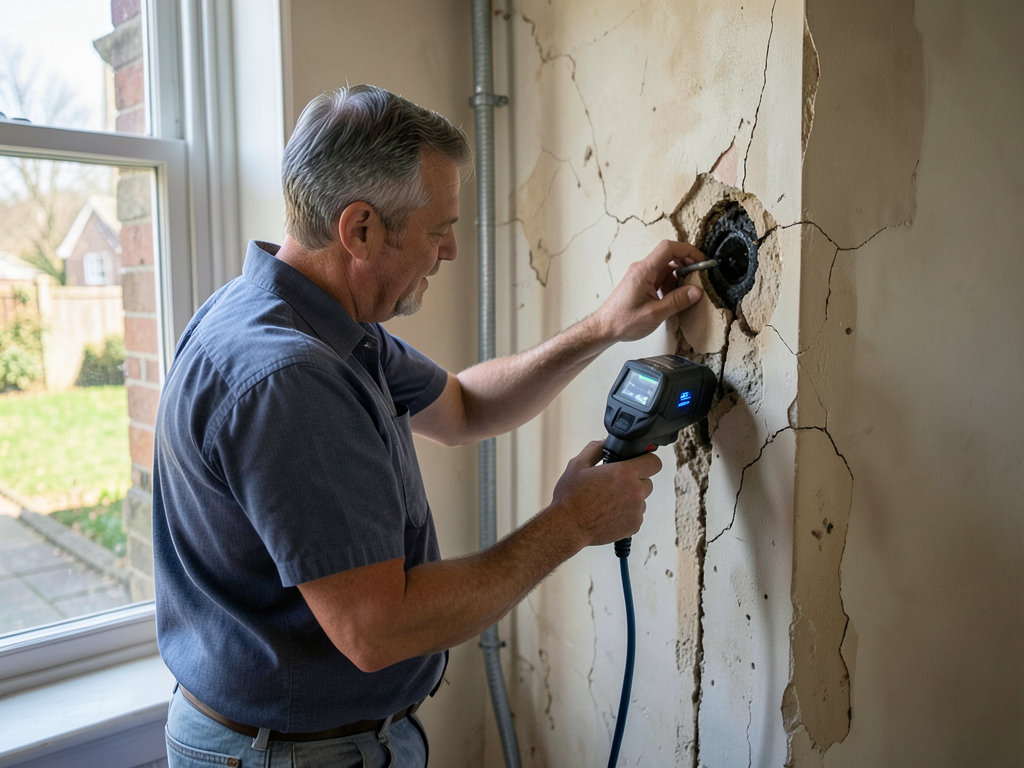
Our installation method minimizes demolition. We use trenchless techniques where possible, routing new supply lines through existing chases and avoiding unnecessary wall removal. When we must access pipes behind finished surfaces, we cut precision access panels that contractors can patch quickly without extensive restoration work.

Pressure testing happens at multiple stages. We test each zone before connecting it to the main system, then conduct a 24-hour pressure hold test on the complete installation before final approval. This catches problems before your building goes live, eliminating callbacks and ensuring the system performs under real-world demand.

Industrial repiping services require coordination with building inspectors and compliance with commercial plumbing codes. We handle all permitting and schedule required inspections so you do not absorb administrative burden.

What Happens During Your Commercial Building Repipe

Commercial Repiping Services in Buffalo | Minimize Downtime and Restore Business Operations Fast
01

System Assessment and Planning

We inspect your existing pipe network using pressure gauges and video cameras to document current conditions. You receive a detailed report showing corrosion locations, flow restriction points, and projected failure timelines. We then design a replacement plan that sequences work to minimize business impact, identifying which zones can remain operational during each installation phase. This planning prevents surprises and allows you to communicate accurately with tenants about temporary service interruptions.
02

Phased Pipe Installation

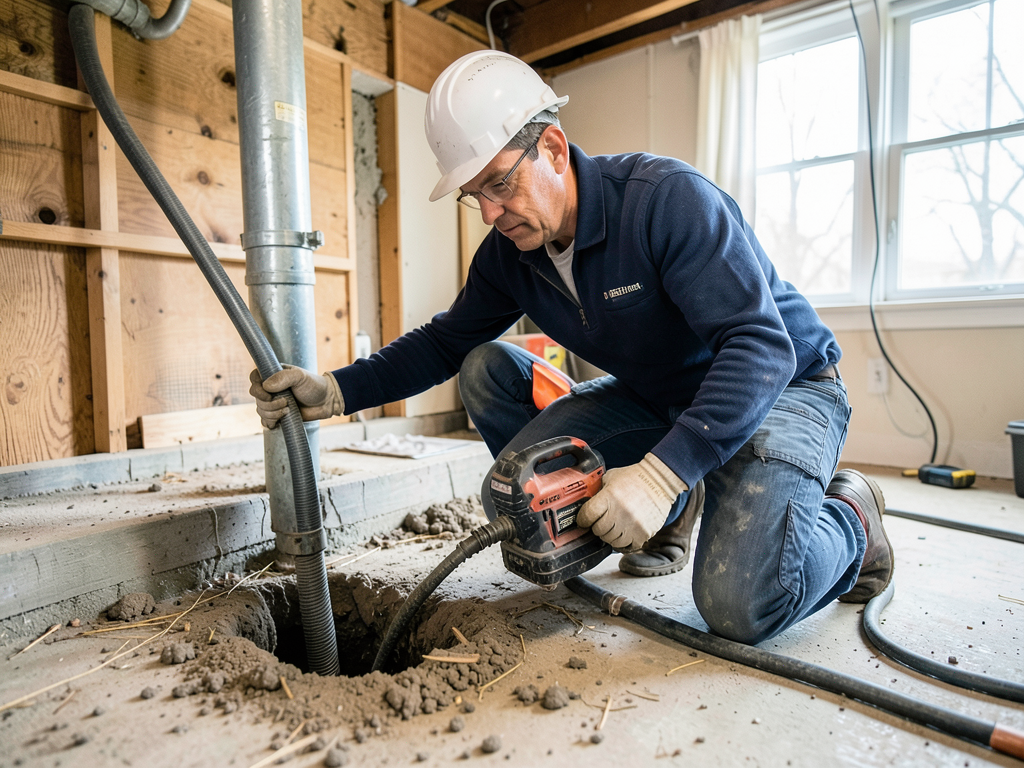
We install temporary water supplies to critical areas before removing old pipes. Each section gets replaced, tested, and brought online before we move to the next zone. For buildings that cannot tolerate any downtime, we work third shift or weekends. All connections use professional-grade fittings rated for commercial pressure loads. We document each joint and valve location for future maintenance reference, creating as-built drawings that reflect actual installation rather than outdated blueprints.
03

Testing and System Certification

After installation, we conduct hydrostatic pressure testing at 150 percent of operating pressure for 24 hours to verify joint integrity. We flush the system to remove installation debris, then test water quality at multiple outlets. You receive certification documentation for insurance purposes and building compliance records. We walk through the new system with your maintenance staff, explaining shutoff valve locations and providing emergency contact protocols. This knowledge transfer reduces future service calls and empowers your team to handle minor issues independently.

Why Buffalo Businesses Trust Us for Commercial Pipe Replacement

Commercial plumbing failures create liability exposure that residential problems do not. When pipes burst in a multi-tenant building, you face property damage claims, business interruption losses, and potential ADA compliance issues if restrooms become unusable. We understand what building owners and property managers risk, which is why our work focuses on eliminating failure points rather than patching symptoms.

Buffalo's commercial building codes require permits for repiping work, and inspectors scrutinize commercial installations more rigorously than residential projects. We maintain relationships with city inspectors and know exactly what documentation they require. Our installations pass inspection the first time because we follow code precisely, not just adequately.

The buildings along Main Street and in the Medical Campus district have unique plumbing challenges. Historic structures often have pipes running through spaces that modern buildings would never use. We have repiped everything from converted warehouses in Larkinville to pre-war office buildings downtown. This experience means we can solve access problems that less experienced contractors would call impossible.

When we quote a commercial building repiping project, the price includes contingency planning for unexpected conditions. Old buildings hide surprises. Pipes may route differently than blueprints show, or concealed damage may extend further than initial inspection revealed. Our quotes account for these realities so you do not face change orders that double your cost.

We also understand business continuity requirements. A medical office cannot lose water to exam rooms during patient hours. A restaurant cannot operate without functional restrooms. An industrial facility may need specific pressure levels to run equipment. We design around your operational requirements, not around what would be easiest for us to install. That client-first approach is why property management companies call us first when they need reliable industrial repiping services.

What You Can Expect From Your Commercial Repiping Project

Project Timeline and Scheduling

Most commercial building repiping projects take two to six weeks depending on building size and complexity. We provide a detailed schedule showing when each zone will be offline and when service will restore. For businesses that cannot tolerate daytime disruption, we shift crews to evening and overnight hours. You receive 48-hour advance notice before we begin each phase, and we update you daily on progress. Our project managers remain on-site during all work, so you have immediate access to answers when questions arise. We do not disappear between phases or leave you guessing about timeline changes.

Initial Assessment Process

We start with a walkthrough to understand your building layout and business requirements. This includes pressure testing at multiple fixtures, visual inspection of accessible pipes, and review of maintenance records to identify recurring problems. If your building has asbestos insulation on old pipes, we coordinate with certified abatement contractors before starting demolition. The assessment produces a written report with photos documenting current conditions, projected failure points, and recommended replacement scope. You use this report to make informed decisions about whether to replace the entire system or address only critical sections.

Installation Quality Standards

We install commercial-grade materials rated for your specific application. Medical facilities get copper pipe with lead-free solder. Industrial applications get schedule 40 steel or stainless where pressure demands it. All joints are accessible for future inspection, and we avoid burying connections inside permanent structures. You receive detailed documentation showing pipe routes, valve locations, and material specifications. This matters when you sell the building or need future service work. The next contractor will know exactly what you have installed and where to find critical shutoffs during emergencies.

Post-Installation Support

After we complete your commercial pipe replacement, you have direct access to our service team for any questions or concerns. We provide a comprehensive handoff package including as-built drawings, pressure test results, and maintenance recommendations. If you experience any issues with the new installation, we respond immediately to diagnose and correct problems. Most commercial repiping projects experience zero callbacks because we test rigorously before we leave. For ongoing maintenance, we offer annual inspection services to catch small issues before they become expensive problems. This proactive approach extends system life and protects your investment.

Frequently Asked Questions

You Have Questions,
We Have Answers

How much does it cost to repipe a 4000 square foot house? +

Repiping a 4000 square foot commercial building in Buffalo depends on pipe material, accessibility, and existing plumbing configuration. Copper installations typically cost more than PEX due to material and labor intensity. Buildings with concrete slab foundations or multi-story layouts increase labor complexity. Buffalo's older commercial structures often require asbestos abatement or lead remediation, adding significant expense. Factor in business downtime during installation. Code compliance upgrades, such as backflow prevention devices, also impact total investment. Request a site evaluation to account for your building's specific conditions and minimize operational disruption.

What does commercial plumbing mean? +

Commercial plumbing serves business facilities, industrial sites, and multi-tenant buildings. It differs from residential work in scale, code requirements, and system complexity. Commercial systems handle higher water volume, require backflow prevention, and must meet ADA compliance standards. In Buffalo, commercial plumbers work on restaurants, office buildings, manufacturing plants, and retail centers. They install grease traps, commercial water heaters, and pressure-regulating systems. Commercial projects demand knowledge of zoning regulations, health department codes, and building inspector requirements. The work prioritizes business continuity, liability mitigation, and long-term durability over residential comfort considerations.

How much does copper repiping cost compared to PEX? +

Copper repiping costs substantially more than PEX due to material expense and labor intensity. Copper requires soldering, specialized fittings, and longer installation time. PEX uses push-fit or crimp connections, reducing labor hours by 30 to 50 percent. Buffalo's freeze-thaw cycles favor PEX's flexibility, which resists burst damage better than rigid copper. However, commercial code may restrict PEX in certain applications. Copper offers superior fire resistance and longevity in exposed installations. Material choice depends on building use, code requirements, and budget constraints. Both materials perform well in Buffalo's water conditions when properly installed.

Does repiping lower insurance? +

Repiping can lower commercial property insurance premiums by reducing water damage risk and liability exposure. Insurers view aging galvanized or polybutylene pipes as high-risk liabilities. Upgrading to copper or PEX demonstrates proactive risk management, which underwriters reward. Document the repipe with permits, inspections, and contractor certifications to support premium negotiations. In Buffalo, properties near the waterfront or in flood zones see greater insurance benefits from modern plumbing systems. Contact your insurance agent before starting work to understand documentation requirements and potential premium reductions. Reduced claims history after repiping strengthens future rate negotiations.

What is the most expensive plumbing job? +

Complete commercial building repipes rank among the most expensive plumbing projects due to labor, materials, and business disruption costs. Multi-story buildings in Buffalo's downtown core require extensive coordination, scaffolding, and after-hours work to minimize tenant impact. Excavation for underground sewer line replacement under existing structures adds significant expense. Hospitals, restaurants, and manufacturing facilities need temporary water service during construction, increasing complexity. Code-mandated upgrades, such as seismic bracing or backflow prevention systems, compound costs. Projects requiring asbestos abatement or historic preservation compliance in Buffalo's older commercial districts carry premium pricing.

How much does it cost to plumb a 2500 square foot house? +

Plumbing a new 2500 square foot commercial space differs significantly from residential work. Commercial installations require higher fixture counts, ADA-compliant restrooms, and commercial-grade water heaters. Buffalo's building codes mandate backflow prevention, grease traps for food service, and pressure-reducing valves in multi-story buildings. Costs vary based on tenant use. A medical office needs different plumbing than a retail store. Factor in fire suppression connections, floor drains, and utility room requirements. New construction offers cost advantages over retrofit work. Coordinate plumbing with HVAC and electrical trades early to avoid conflicts and change orders.

Can a plumber make $100,000 a year? +

Experienced commercial plumbers in Buffalo regularly earn six-figure incomes through specialized skills and business acumen. Union journeymen with commercial licenses command premium rates. Master plumbers who handle complex projects, such as hospital or industrial work, bill at higher tiers. Business owners increase earnings by managing crews and securing commercial contracts. Buffalo's aging infrastructure creates steady demand for commercial repipe specialists. Certifications in medical gas systems, backflow prevention, or industrial process piping boost earning potential. Winter emergency service calls and overtime on commercial projects significantly increase annual income. Compensation reflects expertise, liability, and project complexity.

Does commercial insurance cover plumbing issues? +

Commercial property insurance typically covers sudden, accidental plumbing failures but excludes damage from deferred maintenance or gradual deterioration. A burst pipe from freeze damage is covered. Slow leaks from corroded pipes are not. Business interruption coverage helps offset revenue loss during repairs. Buffalo property owners should review policy exclusions carefully, as some insurers limit coverage for buildings with galvanized or polybutylene piping. Document regular maintenance and inspections to support claims. Consider endorsements for water damage or equipment breakdown coverage. Insurers may require plumbing upgrades as a condition of renewal for older commercial properties.

Is PEX approved for commercial use? +

PEX is approved for commercial use under specific conditions defined by building codes. The International Plumbing Code permits PEX for water distribution in many commercial applications. However, Buffalo's local amendments may restrict PEX in certain occupancies or require fire-rated assemblies. PEX cannot penetrate fire-rated walls without approved penetration systems. Commercial kitchens, hospitals, and high-rise buildings often require copper due to fire safety concerns. PEX works well in office buildings, retail spaces, and light commercial applications. Always verify code compliance with Buffalo's building department before specifying PEX for commercial projects. Material choice depends on occupancy classification.

Why don't insurance companies like PEX plumbing? +

Insurance companies historically viewed PEX with skepticism due to early installation failures and limited performance data. Improper crimping, UV exposure during construction, and incompatible fittings caused claims. Modern PEX systems have proven reliable, but some insurers remain cautious. They prefer copper's established track record and fire resistance. Buffalo's older properties often mix pipe materials, complicating risk assessment. Insurers also worry about rodent damage to PEX in crawl spaces. Properly installed PEX with manufacturer certifications and code compliance reduces insurer concerns. Provide documentation to demonstrate system quality and professional installation when negotiating coverage.

How Buffalo's Water Quality and Building Age Make Commercial Repiping Essential

Buffalo's municipal water supply comes from Lake Erie and contains treatment chemicals that accelerate corrosion in pipes installed before 1980. The city adds orthophosphate to control lead leaching from old service lines, but this treatment increases mineral buildup in galvanized steel pipes. Commercial buildings constructed during Buffalo's industrial boom used piping materials that were adequate for the era but cannot handle modern water chemistry. The freeze-thaw cycles common from November through March cause micro-fractures in older copper installations, leading to pinhole leaks that appear suddenly after decades of service. Buildings in the Theater District and along the waterfront face additional stress from high water tables that shift during seasonal temperature changes, putting lateral pressure on underground supply lines.

Property owners throughout Erie County rely on contractors who understand Buffalo's specific building codes and inspection requirements. The city requires permits for all commercial plumbing work, and inspectors expect installations to meet current code standards even when replacing pipes in older buildings. We maintain active communication with code enforcement and know which historical exceptions apply to buildings on the National Register. Our familiarity with Buffalo's commercial real estate market means we understand the timeline pressures property managers face and the liability concerns that keep building owners awake at night. When you need business pipe replacement done correctly the first time, local expertise eliminates costly mistakes.
Plumbing Services in The Buffalo Area

We are proud to serve our community and invite you to explore our service area. Whether you need a quick repair or a major installation, our team is ready to assist you. Our commitment extends throughout the region, ensuring every home and business has access to top-tier plumbing services. We look forward to being your trusted local partner and demonstrating why we are the right choice for all your plumbing needs.

Address:
Patriot Plumbing Buffalo, 737 Delaware Ave, Buffalo, NY, 14209

Additional Services We Offer

Our news updates

Latest Articles & News from The Blogs

The Ultimate Plumbing Inspection Checklist for Parkside Home Buyers Buying a home in Parkside means investing in one of Buffalo’s…

The Ultimate Plumbing Inspection Checklist for Parkside Home Buyers

The Ultimate Plumbing Inspection Checklist for Parkside Home Buyers Buying a home in Parkside means investing in one of Buffalo’s…

How to Stop Your Depew Basement Floor Drain from Backing Up

How to Stop Your Depew Basement Floor Drain from Backing Up When sewage or water starts rising from your basement…

Maintaining the Historic Radiator and Boiler Systems in Buffalo University District Homes

Maintaining the Historic Radiator and Boiler Systems in Buffalo University District Homes \n\n The University District’s century-old radiator systems face…

Contact Us

Do not wait for catastrophic failure to force emergency work at premium rates. Call (716) 317-6655 now to schedule a comprehensive assessment of your commercial plumbing system. We provide detailed reports and honest recommendations about replacement timing, so you can plan proactively and protect your business from unexpected downtime.