Menu

Discolored or Rusty Water in Buffalo – Expert Diagnosis and Permanent Fixes

Our certified plumbers identify the root cause of brown tap water, rusty colored water, and yellow water from faucets throughout the Buffalo metro, then implement targeted repairs that restore clean, safe water to your home.

Slider Image 1
Slider Image 2
Slider Image 3
Slider Image 4
Slider Image 5
Slider Image 7
Slider Image 8
Slider Image 9
Slider Image 10
Slider Image 11

Why Buffalo Homes Experience Discolored Water More Often Than You Think

You turn on the tap and see brown tap water. Or maybe yellow water from the faucet that runs clear after a few seconds. Sometimes it is reddish water from pipes only when you use hot water.

Buffalo's aging infrastructure plays a direct role. Many neighborhoods still rely on galvanized steel pipes installed before 1960. These corrode from the inside out. The city's water supply contains dissolved oxygen and minerals that accelerate this process. When you live near Delaware Park or in North Buffalo's historic districts, you are more likely to encounter galvanized lines that have reached the end of their lifespan.

Rusty colored water signals iron oxidation. Yellow water from the faucet often indicates manganese or sediment buildup. Discolored hot water points to a failing water heater anode rod or sediment accumulation in the tank itself.

Buffalo's freeze-thaw cycles stress plumbing systems. Pipes expand and contract through harsh winters. This movement loosens internal corrosion and sends it into your water stream. If you see discoloration after extended periods of non-use, like after a vacation, sediment has settled in your lines.

Discolored water is not just an aesthetic issue. It stains fixtures, ruins laundry, and can indicate contamination that affects your health. Children and immunocompromised individuals face higher risks from bacterial growth in corroded pipes.

The problem rarely fixes itself. Flushing the line might clear it temporarily, but the underlying corrosion continues. You need a professional assessment to determine whether the issue originates in your home's plumbing, the water heater, or the city supply line connection.

Why Buffalo Homes Experience Discolored Water More Often Than You Think
How We Diagnose and Fix Rusty Water at the Source

How We Diagnose and Fix Rusty Water at the Source

We start with a visual assessment and a water quality test. This tells us whether the discoloration comes from iron, manganese, sediment, or bacterial contamination. We test at multiple fixtures to map the problem. If only hot water shows discoloration, we focus on the water heater. If cold water runs brown tap water too, we trace it back through your supply lines.

Next, we inspect your piping material. Galvanized steel corrodes predictably. We look for telltale signs like reduced water pressure, which indicates internal scale buildup. Copper pipes rarely cause rusty colored water unless you have a pH imbalance that creates pinhole leaks. PEX and CPVC systems eliminate metal corrosion but can still harbor sediment if your municipal supply has issues.

For water heater-related discolored hot water, we drain the tank and inspect the anode rod. This sacrificial component prevents tank corrosion. When it fails, the tank itself begins to rust. We also check the dip tube, which can break apart and release plastic fragments or allow cold water to mix improperly.

If the issue traces to your home's piping, we recommend targeted repiping. Full-home repipes are not always necessary. Sometimes replacing a single corroded section restores clarity. We use PEX or copper depending on your budget and the location of the problem.

We also install whole-home filtration or sediment filters if your municipal supply contributes to the issue. Buffalo's water treatment plants do their job, but older distribution lines can introduce particles before water reaches your home.

Our fixes are permanent because we address the source, not the symptom. Flushing your lines is a temporary band-aid. Replacing corroded components or installing filtration gives you long-term water quality.

What Happens When You Call Us About Discolored Water

Discolored or Rusty Water in Buffalo – Expert Diagnosis and Permanent Fixes
01

On-Site Water Testing

We arrive with calibrated testing equipment and sample multiple fixtures throughout your home. This isolates whether the problem is localized to one area or systemic. We test pH levels, iron content, manganese, and turbidity. If bacteria are suspected, we send samples to a certified lab. You get a written report that explains what we found and what it means for your plumbing.
02

System Inspection and Diagnosis

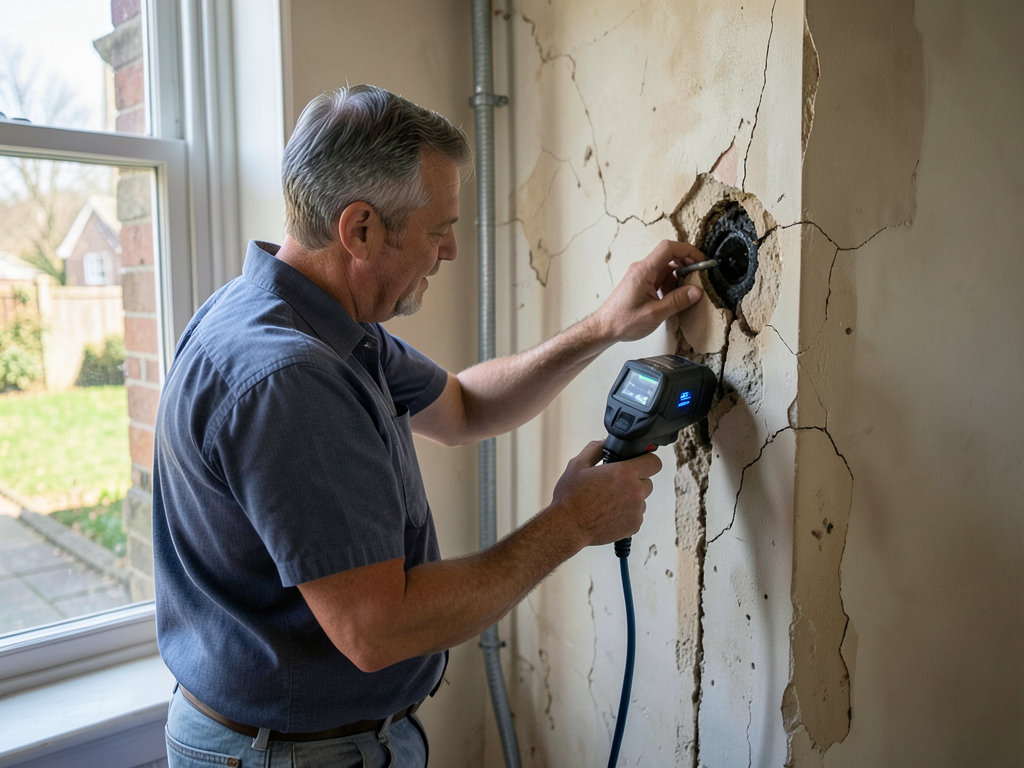
We trace your supply lines from the water meter to every fixture. We use borescope cameras to inspect pipe interiors without demolition. We check your water heater's anode rod, flush the tank, and measure sediment volume. We also inspect pressure-reducing valves and backflow preventers, which can trap debris. You receive a diagnosis that identifies the exact source and a recommendation for the most cost-effective repair.
03

Repair and Water Restoration

We execute the agreed-upon fix, whether that means replacing a water heater anode rod, repiping a corroded section, or installing a sediment filter. After the repair, we flush your entire system to remove residual discoloration. We retest your water to confirm clarity and safety. You get documentation of the work completed, including warranties on parts and labor. Your water runs clear, and you have peace of mind.

Why Buffalo Homeowners Trust Patriot Plumbing Buffalo for Water Quality Issues

We understand Buffalo's plumbing challenges because we work here every day. We know which neighborhoods have galvanized supply lines and which areas experience higher sediment loads from the municipal system. We have relationships with local inspectors and stay current on city water quality reports.

When you call a national chain, you get a technician reading from a script. When you call Patriot Plumbing Buffalo, you get a plumber who has seen your exact issue in homes just like yours. We know how Buffalo's water chemistry interacts with different pipe materials. We know how freeze-thaw cycles affect your plumbing differently than homes in warmer climates.

We do not upsell unnecessary services. If your discolored water comes from a simple anode rod replacement, we tell you that. If you need a full repipe, we explain why and give you options that fit your budget. We provide transparent pricing before we start any work.

Our trucks carry the parts we need for most common fixes. That means we complete most jobs in one visit. We do not make you wait days for a follow-up appointment while your family drinks bottled water.

We also respect your home. We use drop cloths, clean up after ourselves, and leave your space exactly as we found it. Plumbing work can be messy, but it does not have to disrupt your life.

Buffalo homeowners refer us to their neighbors because we deliver results. We fix the problem correctly the first time. Our reputation depends on it. When you see rusty colored water or yellow water from the faucet, you need a plumber who knows what they are looking at. We have the training, the tools, and the local expertise to solve it.

What to Expect When We Fix Your Discolored Water Problem

Same-Day Service Availability

We respond quickly because discolored water disrupts your daily life. Most calls get same-day or next-day appointments. If you have an urgent situation, like brown tap water that smells foul or appears suddenly after a pipe repair, we prioritize you. Our dispatch team coordinates with you to find a window that works. We call 30 minutes before arrival so you are not left waiting. Emergency calls get immediate attention, even on weekends.

Thorough Water Quality Assessment

We do not guess. We test your water at the source and at multiple fixtures to pinpoint the problem. You receive a written report that explains iron levels, pH balance, sediment content, and any bacterial presence. If your issue requires lab testing, we handle the logistics and interpret the results for you. This assessment becomes part of your permanent home record, useful if you sell or need future plumbing work.

Clean, Safe Water Restored

Our repairs are designed to last. We use quality components and materials that match or exceed what was originally installed. After we complete the fix, we flush your system thoroughly to remove any lingering discoloration. We retest to confirm water clarity and safety. You can drink from your tap with confidence. We do not leave until you are satisfied with the results and understand what was done.

Ongoing Support and Maintenance Plans

We offer maintenance plans that include annual water heater flushes and anode rod inspections. This prevents discolored hot water from recurring. For homes with whole-home filtration, we schedule filter replacements so you never forget. If you experience any issues after our repair, we come back to make it right. We keep detailed records of your plumbing system so future service calls are faster and more efficient.

Frequently Asked Questions

You Have Questions,
We Have Answers

Is discolored water safe to drink? +

Discolored water is usually not immediately dangerous, but you should not drink it until you identify the cause. Brown or rusty water often signals corroded pipes or sediment buildup, which can introduce iron, manganese, or other contaminants. In Buffalo, older homes with galvanized or cast iron pipes frequently experience this problem, especially after water main breaks or service interruptions. Contact Buffalo Water or your municipal authority to confirm if the issue is citywide. If it persists or appears only in your home, call a licensed plumber to inspect your pipes and water heater. Do not assume discolored water is safe without testing.

How to tell if water is rusty? +

Rusty water appears brown, orange, or reddish when you turn on your tap. Fill a clear glass and check the color. If sediment settles at the bottom after a few minutes, rust particles are present. Rusty water often smells metallic and may leave orange stains on sinks, tubs, and laundry. In Buffalo, aging galvanized pipes corrode over time, releasing iron oxide into your water supply. Run the cold tap for several minutes. If the discoloration clears, the issue is likely your plumbing. If it stays brown, the problem may be the municipal water main or your water heater tank.

What does discolored water mean? +

Discolored water signals a problem in your plumbing system or municipal supply. Brown or yellow water typically means rust from corroded iron pipes or sediment buildup in your water heater. Cloudy or milky water often indicates trapped air or mineral deposits. In Buffalo, freeze-thaw cycles and aging infrastructure accelerate pipe corrosion, especially in homes built before 1970. Green or blue tints suggest copper pipe corrosion, which can elevate harmful metal levels. Black water points to manganese or deteriorating pipe gaskets. Do not ignore discolored water. Identify the source quickly to protect your plumbing and health.

Is it safe to drink rusty tap water? +

No, you should not drink rusty tap water. Rust itself is iron oxide, which is not acutely toxic in small amounts, but it signals corroded pipes that may leach other harmful contaminants like lead, bacteria, or heavy metals. Buffalo homes with old galvanized plumbing face higher risk. Rusty water also tastes metallic and stains fixtures and clothing. If your tap water runs brown, stop drinking it and switch to bottled water until you diagnose the issue. Flush your pipes by running cold water for several minutes. If discoloration persists, contact a plumber to inspect your system and test your water quality.

Should I call a plumber for brown water? +

Yes, you should call a plumber if brown water persists after flushing your taps or appears only in your home. In Buffalo, rusty water often points to corroded galvanized pipes, sediment buildup in your water heater, or failing pressure tanks. A licensed plumber can inspect your system, identify the source, and recommend pipe replacement, tank flushing, or filtration solutions. If the discoloration clears after running water for a few minutes and affects your entire neighborhood, the issue is likely a city water main. Contact Buffalo Water first. If the problem is isolated to your property, a plumber is your best next step.

Can rust in water cause health problems? +

Rust in water is not directly toxic, but prolonged exposure can cause digestive discomfort, nausea, and staining of teeth. The real danger is what rust indicates. Corroded pipes can harbor bacteria like legionella and leach lead or other heavy metals, especially in Buffalo homes with mixed plumbing materials. High iron levels may worsen anemia or hemochromatosis. Children and pregnant women face higher risks. Rusty water also damages appliances, clogs fixtures, and ruins laundry. Do not ignore chronic discoloration. Have your water tested by a certified lab and consult a plumber to inspect your pipes and water heater for corrosion.

What color is rust in water? +

Rust in water appears brown, orange, reddish, or yellowish, depending on concentration. Light rust tints water pale yellow or tan. Heavy rust turns water deep brown or orange. When rust particles settle in a glass, you will see reddish sediment at the bottom. In Buffalo, rusty water is common in older homes with galvanized steel or cast iron pipes. The freeze-thaw cycles and corrosive soil conditions accelerate pipe deterioration. If your water runs consistently brown or orange, the source is likely corroded plumbing or a rusty water heater tank. Run your taps and check if the color clears to isolate the problem.

What are the symptoms of dirty water? +

Symptoms of dirty water include discoloration (brown, yellow, green, or black), foul odors (metallic, sulfur, or musty smells), cloudy or milky appearance, visible sediment or particles, and unusual taste. You may notice stains on sinks, tubs, or laundry. In Buffalo, dirty water often results from corroded pipes, sediment in water heaters, or municipal main breaks. Cloudy water that clears quickly is usually trapped air. Persistent discoloration, especially brown or black, signals serious corrosion or contamination. If you experience these symptoms, stop drinking the water, flush your taps, and contact a plumber to inspect your system and test water quality.

How to test your water for rust? +

To test your water for rust, collect a sample in a clear glass container and let it sit for a few minutes. Check for brown, orange, or reddish sediment settling at the bottom. Use a home water test kit from a hardware store to measure iron levels. For accurate results, hire a certified lab to perform a full water quality analysis. In Buffalo, local environmental labs can test for iron, manganese, lead, and bacteria. A plumber can also inspect your pipes and water heater for visible corrosion. Testing identifies the contamination source and guides the right fix, whether pipe replacement or filtration.

Can you shower in discoloured water? +

You can shower in discolored water, but it is not recommended. Rusty water will not harm your skin during brief exposure, but it may stain your hair, irritate sensitive skin, and leave orange residue on your tub and shower walls. In Buffalo, rusty water often comes from corroded pipes or sediment in your water heater. If the discoloration is caused by bacteria or heavy metals, showering could pose health risks. Avoid drinking or cooking with discolored water. Flush your taps first to see if the water clears. If the problem persists, contact a plumber to diagnose the issue before using your water regularly.

How Buffalo's Aging Water Infrastructure Affects Your Home's Plumbing

Buffalo's municipal water system delivers treated water that meets federal standards, but the distribution network includes cast iron mains installed decades ago. These pipes corrode over time, releasing iron particles into the water stream. When the city flushes hydrants or makes repairs, sediment dislodges and travels into your home's supply lines. If you live in older neighborhoods like Allentown or the Elmwood Village, your service lateral may also be galvanized steel, compounding the issue. This combination creates the perfect environment for reddish water from pipes and brown tap water, even when your home's internal plumbing is relatively new.

Patriot Plumbing Buffalo works closely with local inspectors and stays informed on city water quality reports. We understand how Buffalo's infrastructure impacts your home. We know which areas experience higher sediment loads and which neighborhoods are scheduled for water main replacements. This local knowledge allows us to recommend solutions that account for both your home's plumbing and the municipal supply. Choosing a local plumber means working with someone who understands the full picture, not just the pipes inside your walls.
Plumbing Services in The Buffalo Area

We are proud to serve our community and invite you to explore our service area. Whether you need a quick repair or a major installation, our team is ready to assist you. Our commitment extends throughout the region, ensuring every home and business has access to top-tier plumbing services. We look forward to being your trusted local partner and demonstrating why we are the right choice for all your plumbing needs.

Address:
Patriot Plumbing Buffalo, 737 Delaware Ave, Buffalo, NY, 14209

Additional Services We Offer

Our news updates

Latest Articles & News from The Blogs

The Ultimate Plumbing Inspection Checklist for Parkside Home Buyers Buying a home in Parkside means investing in one of Buffalo’s…

The Ultimate Plumbing Inspection Checklist for Parkside Home Buyers

The Ultimate Plumbing Inspection Checklist for Parkside Home Buyers Buying a home in Parkside means investing in one of Buffalo’s…

How to Stop Your Depew Basement Floor Drain from Backing Up

How to Stop Your Depew Basement Floor Drain from Backing Up When sewage or water starts rising from your basement…

Maintaining the Historic Radiator and Boiler Systems in Buffalo University District Homes

Maintaining the Historic Radiator and Boiler Systems in Buffalo University District Homes \n\n The University District’s century-old radiator systems face…

Contact Us

Stop living with discolored water. Call Patriot Plumbing Buffalo at (716) 317-6655 right now for a professional assessment. We diagnose the problem accurately and fix it permanently. Your family deserves clean water.