Menu

Low Water Pressure Issues in Buffalo – Expert Diagnosis and Permanent Solutions for Weak Water Flow

Buffalo homeowners struggling with weak water pressure, decreased water flow, or loss of water pressure get fast, accurate diagnosis and complete system restoration from experienced local plumbers who understand Lake Erie's unique water challenges.

Slider Image 1
Slider Image 2
Slider Image 3
Slider Image 4
Slider Image 5
Slider Image 7
Slider Image 8
Slider Image 9
Slider Image 10
Slider Image 11

Why Buffalo Homes Experience Frequent Water Pressure Problems

You turn on the shower and get a trickle. You run the washing machine and the kitchen faucet slows to a drip. Poor water pressure is not just annoying. It signals underlying system failures that worsen over time.

Buffalo's water infrastructure creates specific pressure challenges. The city draws from Lake Erie and relies on an aging municipal system with sections dating back decades. When older galvanized pipes corrode internally, they choke flow. Many homes in Elmwood Village, North Buffalo, and Allentown still have original plumbing from the 1940s and 1950s. Those pipes accumulate mineral scale, rust buildup, and sediment that gradually restricts diameter.

The freeze-thaw cycle compounds the issue. Buffalo winters cause pipes to contract and expand repeatedly. This stress accelerates corrosion and creates micro-fractures that leak pressure. A small leak you cannot see drops system pressure throughout your home.

Hard water from Lake Erie deposits calcium and magnesium inside pipes and fixtures. Over years, these deposits harden into scale that narrows passages. Your aerators clog. Your pressure regulating valve gets fouled. Your water heater develops sediment layers that reduce hot water flow specifically.

Decreased water pressure also points to failing pressure regulators, partially closed main shutoff valves, or undersized supply lines. If only one fixture shows weak water pressure, the problem is localized. If your entire home suffers from loss of water pressure, the issue sits at your main line, meter, or pressure regulator.

Ignoring low water flow costs you time and creates bigger repair bills. Sediment damages appliances. Leaks waste water and promote mold. Corroded pipes eventually burst during winter.

Why Buffalo Homes Experience Frequent Water Pressure Problems
How We Diagnose and Restore Normal Water Pressure

How We Diagnose and Restore Normal Water Pressure

Guessing wastes your money. We use systematic pressure testing to isolate the exact cause of your low water pressure issues.

First, we measure static pressure at your main shutoff valve with a calibrated gauge. Buffalo's municipal supply should deliver between 50 and 70 psi. If pressure measures low at the entry point, the problem lies with the city supply line, your curb stop valve, or your pressure regulator. We test upstream and downstream of the regulator to pinpoint failure.

Next, we check dynamic pressure by running multiple fixtures simultaneously. If pressure drops significantly under load, your supply line is undersized or partially obstructed. We inspect your main shutoff valve to confirm it opens fully. A gate valve that sits partially closed mimics a system-wide pressure problem.

We examine your pressure reducing valve. This device sits after your water meter and limits incoming pressure to safe levels. When the PRV diaphragm fails or the spring weakens, pressure drops throughout your home. We test differential pressure to confirm PRV function.

For localized weak water pressure at individual fixtures, we remove and inspect aerators for sediment buildup. We check angle stops under sinks. We test flow at the supply line connection to isolate whether the problem sits in the fixture, the shutoff valve, or the branch line.

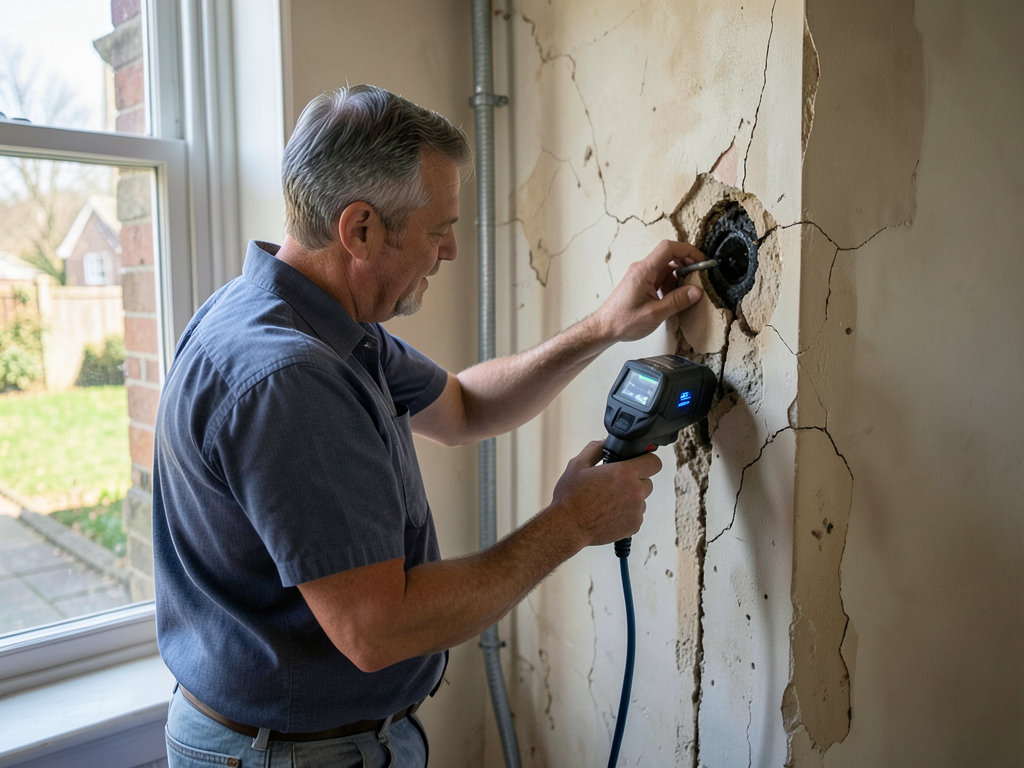
If testing points to pipe corrosion or scale buildup, we use camera inspection when accessible to view internal conditions. Galvanized pipes show characteristic rust tuberculation. Copper pipes reveal green scale from acidic water. PEX and CPVC rarely corrode but can kink or crimp during installation.

We provide a written diagnosis with pressure measurements and a repair plan. You get options, not sales pressure. We explain whether you need a pressure booster, PRV replacement, valve repair, or partial repiping.

What Happens During a Water Pressure Service Call

Low Water Pressure Issues in Buffalo – Expert Diagnosis and Permanent Solutions for Weak Water Flow
01

Initial Pressure Testing

We arrive with calibrated gauges and diagnostic tools. You describe when and where you notice decreased water pressure. We test static pressure at your main water entry point and compare it to municipal baseline. We check your pressure reducing valve operation and inspect your main shutoff valve position. This first round of testing tells us whether your issue originates outside your home or within your plumbing system.
02

Fixture and Line Inspection

We test each affected fixture individually. We remove aerators and showerheads to check for sediment clogs. We measure flow rates and compare them to manufacturer specifications. We inspect angle stops and shutoff valves for partial closure or corrosion. If you have weak water pressure isolated to one area, we trace branch lines and check for kinks, crimps, or hidden leaks that drop pressure locally.
03

Repair and Restoration

Once we identify the root cause, we execute the appropriate fix. This might mean replacing a failed pressure reducing valve, clearing sediment from a water heater, replacing corroded galvanized pipe sections, or installing a pressure booster system. After repairs, we retest pressure at multiple points to confirm restoration. You get normal water flow, and we document baseline pressure for future reference if needed.

Why Buffalo Homeowners Trust Local Plumbers for Pressure Issues

Water pressure problems require someone who knows Buffalo's specific plumbing infrastructure. Patriot Plumbing Buffalo works with the city's mix of old and new systems daily. We understand which neighborhoods have galvanized supply lines, where water hardness causes the most scale, and how freeze-thaw cycles affect pressure regulation.

National chains send technicians unfamiliar with Lake Erie water chemistry. They miss the nuances of Buffalo's municipal pressure zones. We know that homes in South Buffalo often have lower baseline pressure than those in Amherst. We understand how the Niagara River's proximity affects water treatment and mineral content.

We also navigate local code requirements for pressure regulation and backflow prevention. Buffalo adopted updated plumbing codes that mandate specific PRV installations for new construction and major renovations. We size pressure boosters correctly for your home's demand and ensure compliance with city standards.

Our diagnostic approach saves you money. We do not upsell whole-house repiping when a simple PRV replacement solves your problem. We do not replace fixtures when cleaning aerators restores flow. You get honest assessments based on what testing reveals.

We also respond quickly. Low water pressure might seem minor until you cannot shower before work or run your dishwasher. We prioritize same-day service for pressure issues because we know how disruptive poor water flow becomes.

Buffalo winters add urgency. Decreased water pressure can signal a hidden leak that will freeze and burst when temperatures drop. We inspect thoroughly to catch problems before they escalate into emergency pipe repairs during January cold snaps.

You also get clear communication. We explain what we find in plain language. We show you pressure readings. We walk you through options and let you decide on the repair approach that fits your budget and timeline.

What to Expect When You Call About Water Pressure

Fast Response Times

We schedule service calls within 24 hours for most water pressure complaints. If you describe symptoms that suggest a major leak or imminent system failure, we move you to same-day emergency dispatch. Our trucks carry pressure gauges, PRV replacement parts, and common repair components so we can resolve many issues during the first visit. You do not wait days for diagnosis or parts orders. We stock inventory specifically for Buffalo's common pressure problems, including PRVs sized for typical residential systems and replacement valves for older plumbing configurations.

Thorough Diagnostic Process

You get comprehensive pressure testing, not surface-level guesses. We measure static and dynamic pressure at multiple points in your system. We document baseline readings and compare them to municipal supply standards and manufacturer specifications for your fixtures. We inspect visible plumbing for corrosion, leaks, and valve position. We check your water heater for sediment buildup that restricts hot water flow. You receive a written summary of findings with pressure measurements and photos of problem areas. We explain exactly what causes your weak water pressure and outline repair options with transparent scope descriptions.

Restored Water Flow

After repairs, you get normal pressure throughout your home. Showers deliver strong, consistent spray. Multiple fixtures run simultaneously without flow loss. Appliances fill at proper rates. We retest pressure at your main line and affected fixtures to confirm restoration to optimal range. If we replaced a PRV, you get pressure regulated to the safe zone that protects fixtures and appliances from excessive force. If we cleared sediment or replaced corroded sections, you get unrestricted flow. We verify that repairs meet Buffalo's plumbing code and explain any maintenance steps to preserve pressure long-term.

Maintenance Guidance

We provide specific maintenance recommendations based on what we find during diagnosis. If hard water causes scale buildup, we explain water softener benefits and aerator cleaning schedules. If your pressure reducing valve shows wear, we give you a replacement timeline to avoid sudden failure. If galvanized pipes show advanced corrosion, we outline a repiping plan you can phase over time. You get practical advice for Buffalo's water conditions, not generic tips. We also offer annual pressure testing to catch problems early, particularly important for older homes where small pressure drops signal bigger issues developing inside walls.

Frequently Asked Questions

You Have Questions,
We Have Answers

What is the most common cause of low water pressure? +

The most common cause of low water pressure in Buffalo homes is mineral buildup inside aging galvanized pipes. Our hard water accelerates corrosion and calcium deposits, which narrow the pipe diameter over time. Older neighborhoods near Elmwood Village and the West Side often have original galvanized plumbing from the 1940s and 1950s. Other frequent causes include partially closed shut-off valves, failing pressure regulators, hidden leaks, or sediment clogging aerators and fixtures. Buffalo's freeze-thaw cycles can also crack underground service lines, reducing flow. A plumber can diagnose the exact cause with pressure testing.

How to fix low water pressure? +

Fixing low water pressure depends on the root cause. Start by checking aerators on faucets and showerheads for mineral buildup. Remove them, soak in vinegar, and scrub clean. Verify your main shut-off valve is fully open. If pressure remains low throughout the house, the issue likely involves your pressure regulator, corroded pipes, or a leak. Buffalo's hard water and older housing stock mean pipe replacement is often necessary. A licensed plumber can test static and dynamic pressure, inspect your regulator, and determine if repiping or valve replacement is needed to restore proper flow.

Can a plumber fix low water pressure? +

Yes, a licensed plumber can fix low water pressure. They diagnose the problem using pressure gauges to measure flow at different fixtures and points in your system. Plumbers replace failing pressure regulators, clear clogged supply lines, repair leaks, and install new fixtures. In Buffalo, where many homes have outdated galvanized pipes, plumbers often recommend repiping with copper or PEX to eliminate corrosion issues permanently. They also handle municipal water line problems by coordinating with the Buffalo Water Authority. Professional diagnosis saves time and prevents misdiagnosis that could worsen the problem.

Who is responsible for low water pressure? +

Responsibility for low water pressure depends on where the problem originates. If the issue affects only your property, you are responsible for repairs inside your home and on your service line up to the street connection. The Buffalo Water Authority handles pressure issues in the municipal main or meter. If neighbors also experience low pressure, contact the city. For issues isolated to your fixtures or internal plumbing, such as corroded pipes or a faulty regulator, you handle the repair cost. A plumber can determine whether the problem is on your side or the city's.

How much does it cost for a plumber to fix low water pressure? +

Repair costs vary widely based on the cause. Simple fixes like cleaning aerators or adjusting a pressure regulator cost between modest service call fees and a few hundred dollars. Replacing a pressure regulator typically runs several hundred dollars. If corroded pipes are the culprit, which is common in Buffalo's older homes, whole-house repiping can cost thousands depending on home size and accessibility. Most plumbers offer free diagnostics or charge a standard service call fee to assess the issue. Get a detailed estimate before authorizing major work to avoid surprises.

How to unclog a p-trap? +

Unclogging a p-trap is straightforward. Place a bucket underneath the trap to catch water. Loosen the slip nuts on both ends of the curved pipe using pliers or a wrench. Remove the trap and dump contents into the bucket. Clear any hair, soap scum, or debris by hand or with a bottle brush. Rinse the trap thoroughly. Check the gaskets for wear. Reattach the trap, hand-tighten the slip nuts, then snug with pliers. Do not overtighten or you will crack the fittings. Run water to test for leaks and confirm proper drainage.

Can I adjust the water pressure myself? +

You can adjust water pressure yourself only if you have an accessible pressure regulator with an adjustment screw. Locate the regulator on your main water line, usually near the shutoff valve or meter. Turn the screw clockwise to increase pressure, counterclockwise to decrease it. Make small adjustments and test pressure at a faucet. Ideal pressure is 50 to 70 psi. However, if your regulator is failing, corroded, or you lack one entirely, call a plumber. Buffalo's hard water can damage regulators quickly, and improper adjustments can burst pipes or damage fixtures.

How Lake Erie Water Chemistry Accelerates Pressure Loss in Buffalo Homes

Buffalo's municipal water comes from Lake Erie, which contains high mineral content compared to groundwater sources. This hard water deposits calcium and magnesium inside pipes, water heaters, and fixtures over time. The mineral scale reduces pipe diameter gradually, creating low water pressure issues that worsen as deposits thicken. Homes built before 1970 with galvanized steel pipes experience faster deterioration because the zinc coating interacts with mineral content to accelerate corrosion. The combination of hard water and freeze-thaw cycles creates a double stress that makes Buffalo's aging plumbing infrastructure particularly vulnerable to decreased water pressure.

Buffalo's plumbing code requires specific installations for pressure reducing valves and backflow prevention devices that impact system pressure. Local plumbers familiar with city inspection standards ensure repairs meet code and avoid failures during routine checks. Patriot Plumbing Buffalo works throughout Erie County and understands how pressure zones vary between neighborhoods. We know which areas receive higher municipal pressure that requires regulation and which areas need booster systems to maintain adequate flow. This local knowledge means faster diagnosis and repairs that account for your specific location's water delivery characteristics.
Plumbing Services in The Buffalo Area

We are proud to serve our community and invite you to explore our service area. Whether you need a quick repair or a major installation, our team is ready to assist you. Our commitment extends throughout the region, ensuring every home and business has access to top-tier plumbing services. We look forward to being your trusted local partner and demonstrating why we are the right choice for all your plumbing needs.

Address:
Patriot Plumbing Buffalo, 737 Delaware Ave, Buffalo, NY, 14209

Additional Services We Offer

Our news updates

Latest Articles & News from The Blogs

The Ultimate Plumbing Inspection Checklist for Parkside Home Buyers Buying a home in Parkside means investing in one of Buffalo’s…

The Ultimate Plumbing Inspection Checklist for Parkside Home Buyers

The Ultimate Plumbing Inspection Checklist for Parkside Home Buyers Buying a home in Parkside means investing in one of Buffalo’s…

How to Stop Your Depew Basement Floor Drain from Backing Up

How to Stop Your Depew Basement Floor Drain from Backing Up When sewage or water starts rising from your basement…

Maintaining the Historic Radiator and Boiler Systems in Buffalo University District Homes

Maintaining the Historic Radiator and Boiler Systems in Buffalo University District Homes \n\n The University District’s century-old radiator systems face…

Contact Us

Stop struggling with weak water flow. Call Patriot Plumbing Buffalo at (716) 317-6655 for same-day pressure diagnosis and repair. We find the real cause and restore normal flow fast.