Menu

Mold in Bathroom Cabinets in Buffalo – Expert Diagnosis and Safe Remediation

Hidden mold in bathroom cabinets threatens your family's health and home value. Get a thorough moisture source inspection and complete remediation for bathroom vanity mold, mildew in bathroom cabinets, and mold growth inside vanity from certified plumbing professionals.

Slider Image 1
Slider Image 2
Slider Image 3
Slider Image 4
Slider Image 5
Slider Image 7
Slider Image 8
Slider Image 9
Slider Image 10
Slider Image 11

Why Buffalo Bathrooms Become Mold Factories

You open the cabinet under your bathroom sink and see it. Black spots climbing the particle board. A musty smell that hits you in the face. Maybe the shelf is warping or feels damp to the touch. You close the door and hope it goes away.

It will not go away.

Buffalo's climate makes bathroom cabinet mold almost inevitable without proper plumbing maintenance. Lake Erie's proximity means high humidity year-round. Winter heating cycles create condensation inside vanity cabinets. Summer humidity adds more moisture. The freeze-thaw cycling common to Western New York causes pipe joints to weaken, creating slow drips that homeowners never see until mold under bathroom sink appears.

Most bathroom cupboard mold starts with a plumbing problem. A pinhole leak in a trap. Failed wax ring from a nearby toilet. Condensation from an uninsulated cold water supply line. The confined space inside a vanity cabinet has zero airflow. Any moisture stays trapped. The particle board or MDF most cabinets use absorbs water like a sponge. Within 24 to 48 hours, mold spores colonize.

You notice the smell first. Then you see discoloration on stored items. By the time you spot visible mildew in bathroom cabinets, the growth has likely spread behind the cabinet back, into wall cavities, or under flooring. The visible growth is just the surface. The real contamination runs deeper. Respiratory irritation, allergic reactions, and property damage escalate the longer you wait.

Bathroom vanity mold is not a cosmetic issue. It signals an active plumbing failure that requires immediate attention.

Why Buffalo Bathrooms Become Mold Factories
How We Stop Mold Growth at the Source

How We Stop Mold Growth at the Source

Spraying bleach on mold growth inside vanity cabinets does nothing to fix the leak feeding it. Surface treatments fail because the moisture source remains active. Patriot Plumbing Buffalo addresses bathroom cabinet mold by solving the plumbing failure first.

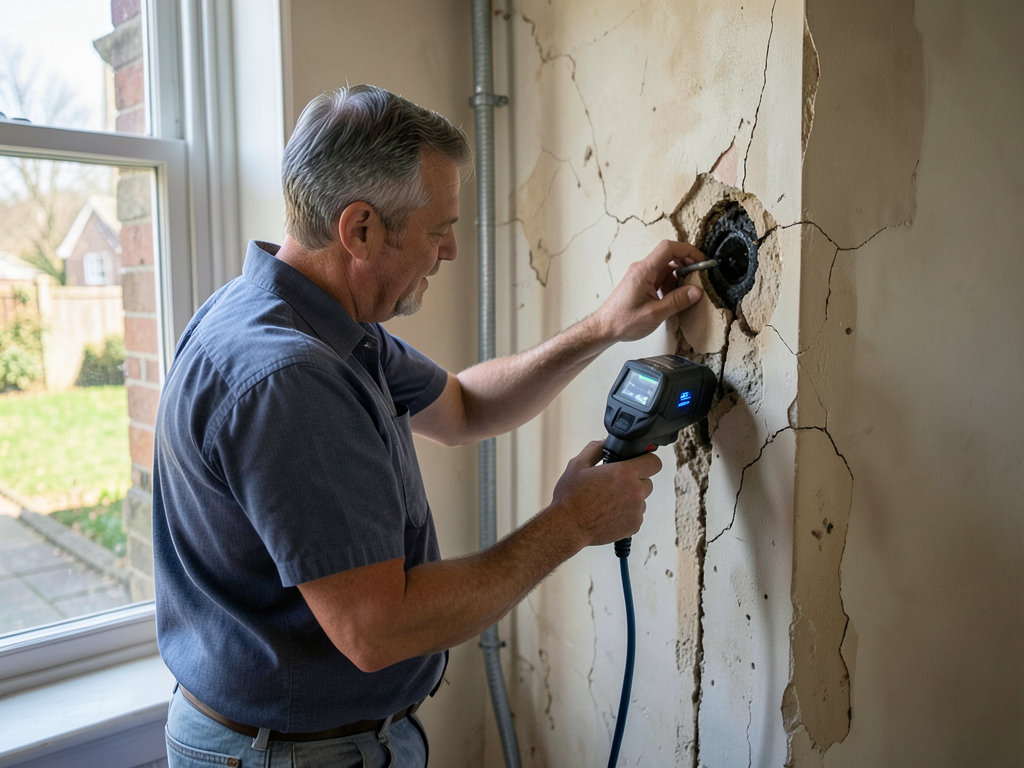
We start with leak detection. We inspect all supply lines, shut-off valves, P-traps, drain tailpieces, and slip-nut connections inside the vanity. We check for condensation on cold water pipes that lack insulation. We use moisture meters to measure the cabinet interior and surrounding wall cavities. We look for signs of wax ring failure if a toilet sits adjacent to the vanity. We check the vanity top seal where it meets the backsplash.

Once we identify the moisture source, we repair or replace the failed component. Corroded shut-off valves get replaced with quarter-turn ball valves. Leaking P-traps get new slip-nut washers or complete replacement if corrosion is present. We insulate cold water supply lines to eliminate condensation. We re-seal vanity tops with silicone caulk rated for wet environments.

After the plumbing repair, we evaluate the extent of mold contamination. If growth is limited to surface areas and the cabinet structure remains sound, we recommend professional mold remediation. If the particle board has delaminated or the cabinet frame shows rot, replacement is the safer option. We coordinate with remediation specialists when contamination extends into wall cavities or subfloor areas.

We do not guess. We verify. That means confirming the repair stopped the moisture intrusion before any rebuilding begins. Rushing to replace a mold-damaged vanity before fixing the leak guarantees you will see the same problem again in six months.

What Happens During Your Bathroom Mold Inspection

Mold in Bathroom Cabinets in Buffalo – Expert Diagnosis and Safe Remediation
01

Moisture Source Identification

We remove stored items from the cabinet and inspect all plumbing connections with a flashlight and moisture meter. We check supply lines, drain connections, and the cabinet floor for active leaks or water stains. We feel pipe surfaces for condensation and look for corrosion on metal components. We document every finding with photos so you see exactly what we see.
02

Plumbing System Repair

We replace failed shut-off valves, re-seal drain connections, or insulate condensation-prone pipes. We use brass or stainless components, not plastic, for shut-off valves. We apply pipe dope and Teflon tape to threaded connections and torque slip nuts to manufacturer specifications. We test all repairs under pressure and check for leaks before moving to remediation coordination.
03

Remediation Coordination and Prevention

We explain the scope of mold contamination and refer you to certified remediation professionals if the growth extends beyond surface areas. We provide documentation of the plumbing repair for insurance claims. We recommend ventilation improvements like upgraded bathroom exhaust fans to reduce future humidity buildup. We schedule a follow-up inspection after cabinet replacement to verify no new moisture intrusion.

Why Buffalo Homeowners Trust Local Plumbing Expertise

Bathroom cabinet mold is not a DIY project. Stopping visible growth without fixing the underlying plumbing leak wastes time and money. You need someone who understands how Buffalo's building stock and climate create the conditions for chronic moisture problems.

Most bathroom vanities in Buffalo homes sit in spaces built between the 1920s and 1970s. Original galvanized supply lines corrode from the inside out. Cast iron drain stacks develop pinhole leaks. Older homes in neighborhoods like Elmwood Village and Allentown have plumbing vents that terminate too close to windows, creating negative pressure that breaks trap seals. Post-war ranch homes in Cheektowaga and Tonawanda often have bathrooms added during renovations with undersized or poorly vented drain lines.

Patriot Plumbing Buffalo knows these building patterns. We have worked in hundreds of Buffalo bathrooms. We recognize the signs of galvanized pipe failure, know which valve brands corrode fastest in local water, and understand how seasonal temperature swings affect older plumbing systems.

We also know local water chemistry. Buffalo water is moderately hard with elevated chlorine levels. Chlorine degrades rubber washers and gaskets faster than normal. Hard water deposits build up inside shut-off valves, causing them to seize or leak when you try to turn them. We account for these factors when selecting replacement components.

You want the mold gone, but more than that, you want it to stay gone. That requires eliminating the moisture source permanently. It requires using quality components rated for local water conditions. It requires understanding how your specific home's plumbing and ventilation systems interact. A handyman with a caulk gun cannot deliver that. A plumber who knows Buffalo can.

What to Expect When You Call Us

Same-Day Inspection Availability

Mold growth accelerates quickly in humid environments. We schedule inspections within 24 hours of your call, often the same day. During the inspection, we locate the moisture source, test all connections, and provide a written estimate for repairs before starting any work. You get answers fast so you can make informed decisions about remediation and cabinet replacement without the stress of waiting days for a callback.

Comprehensive Plumbing Assessment

We do not just look at the obvious leak. We inspect the entire bathroom plumbing system because cabinet mold often signals broader issues. We check water pressure, test drain flow rates, inspect vent terminations, and evaluate shut-off valve operation. We use thermal imaging cameras to detect hidden moisture in walls. We measure humidity levels inside the vanity cabinet to determine if ventilation improvements are needed. You get the full picture, not a quick patch.

Permanent Plumbing Solutions

We use quality components designed for long service life. That means brass or stainless shut-off valves, not plastic. Schedule 40 PVC for drain replacements, not thin-wall DWV pipe. We insulate cold water lines with closed-cell foam, not the cheap fiberglass wrap that absorbs moisture. We seal penetrations with silicone caulk rated for wet environments. The repair work we perform stops the moisture intrusion permanently so mold cannot return after remediation.

Follow-Up Verification

After you complete mold remediation and cabinet replacement, we return to verify the plumbing repair remains effective. We re-inspect all connections we worked on, check for new moisture intrusion, and measure humidity levels inside the new vanity cabinet. We provide documentation for insurance claims if needed. We answer questions about preventing future mold growth through improved ventilation or dehumidification. You get confirmation that the problem is solved, not just hidden.

Frequently Asked Questions

You Have Questions,
We Have Answers

Why is there mold in my bathroom cabinet? +

Mold grows in bathroom cabinets when moisture gets trapped in poorly ventilated spaces. Leaky pipes under sinks create persistent dampness. Buffalo homes face high humidity during summer months, and our cold winters cause condensation when warm indoor air meets cold exterior walls. If your cabinet backs up to an exterior wall, moisture condenses behind it. Dripping faucet connections, wet cleaning supplies, or damp towels stored inside all feed mold growth. Check for plumbing leaks first. Poor bathroom ventilation makes the problem worse, trapping humid air after hot showers with nowhere to escape.

Will mold go away if it dries out? +

No. Drying out mold stops active growth, but it does not kill existing colonies or remove them. Dormant mold spores remain on surfaces and release into your air when disturbed. When moisture returns, and it will in Buffalo bathrooms, the mold reactivates and spreads. Dry mold still poses health risks. You must physically remove the contaminated material or kill the mold with proper solutions. Just airing out the cabinet or running a fan treats the symptom, not the cause. Fix the moisture source, then remove or treat the mold completely.

Do you have to throw away everything after mold? +

Not everything. Hard, non-porous items like metal, glass, or hard plastic can be cleaned and disinfected. Porous materials that absorb moisture, like cardboard boxes, fabric, unsealed wood, or paper products, should be discarded if mold penetrates them. Cabinet shelves depend on the material and contamination depth. Surface mold on sealed wood or laminate shelves can often be cleaned. If mold has soaked into particle board or MDF common in budget cabinets, replacement is safer. Assess each item individually. When in doubt with porous materials, throw it out. Your health matters more than stuff.

Is the black mold in my bathroom toxic? +

Possibly. The term black mold usually refers to Stachybotrys chartarum, which produces mycotoxins that cause respiratory issues, headaches, and fatigue. But many mold species appear black, and not all are toxic. You cannot identify mold species by color alone. All mold growth indoors is a problem because it indicates excess moisture and poor air quality. Whether toxic or not, prolonged exposure causes health issues, especially for children, elderly residents, or people with asthma. Stop guessing. Treat all mold seriously and remove it properly or call a professional for testing and remediation.

What are the first signs of mold sickness? +

Early mold sickness mimics allergies or a cold that never improves. You might notice persistent coughing, sneezing, or throat irritation, especially worse at home and better when you leave. Headaches, fatigue, and difficulty concentrating are common. Some people develop skin rashes or itchy, watery eyes. Respiratory symptoms worsen over time if exposure continues. Buffalo residents often mistake mold symptoms for seasonal allergies or winter colds. If your symptoms improve when you leave your house for extended periods, mold exposure is a likely culprit. See a doctor and investigate moisture problems in your home immediately.

What kills mold permanently? +

Nothing kills mold permanently if moisture remains. You must eliminate the water source first. For hard surfaces, a bleach solution kills surface mold but does not penetrate porous materials. Vinegar, hydrogen peroxide, or commercial antimicrobial cleaners work on non-porous surfaces. For porous materials like drywall or wood, removal is often the only permanent fix. Killing visible mold is not enough. Mold roots penetrate surfaces. Clean thoroughly, dry completely, fix leaks, improve ventilation, and control humidity below 50 percent. Permanent elimination requires fixing the moisture problem, not just treating the symptom.

Does wiping mold release spores? +

Yes. Wiping or scrubbing mold releases thousands of spores into the air, where they spread to other surfaces and enter your lungs. This is why proper mold removal requires containment and personal protection. Before cleaning bathroom cabinet mold, open windows, run exhaust fans, and wear an N95 mask at minimum. Mist the moldy surface lightly with water or cleaning solution before wiping to reduce airborne spore release. Seal contaminated materials in plastic bags before carrying them through your home. Never dry brush or vacuum mold. You will spread the problem instead of solving it.

Will a dehumidifier get rid of mold? +

A dehumidifier controls moisture but does not remove existing mold. It prevents future growth by keeping humidity below 50 percent, which stops mold from thriving. Buffalo bathrooms need active moisture control year-round due to our humid summers and condensation-prone winters. If mold is already growing in your cabinet, you must remove it first, fix the moisture source, then run a dehumidifier as prevention. Dehumidifiers work best in basements or larger spaces. Small bathroom cabinets need better ventilation, leak repairs, and allowing air circulation inside closed spaces. Think prevention tool, not cure.

Is dry mold still toxic? +

Yes. Dormant mold still contains allergens and potential mycotoxins that become airborne when disturbed. Even dead mold fragments cause respiratory irritation, allergic reactions, and health problems. The biological materials in mold trigger immune responses whether active or inactive. Dry mold is often more dangerous because people handle it carelessly, thinking the problem is gone. Those brittle, dried colonies crumble easily, releasing concentrated spores into your breathing space. Just because mold looks dead or inactive does not make it safe. You must physically remove it from surfaces to eliminate the health risk completely.

Will mold come back after you clean it? +

Yes, if you do not fix the moisture problem. Cleaning removes visible mold but does not address why it grew there. Bathroom cabinets in Buffalo homes face constant moisture challenges from plumbing, humidity, and temperature fluctuations. If you have a slow leak, poor ventilation, or condensation issues, mold returns within weeks. Surface cleaning also misses mold roots that penetrate porous materials. To stop recurrence, repair all leaks, improve bathroom ventilation, seal gaps around pipes, allow cabinet air circulation, and control indoor humidity. Treat the cause, not just the symptom, or you will clean mold repeatedly.

How Lake Effect Humidity Accelerates Bathroom Mold in Buffalo

Buffalo sits 20 miles downwind of Lake Erie. That proximity means relative humidity averages 10 to 15 percent higher than inland cities. Winter months bring lake effect moisture that infiltrates homes through foundation walls and attic vents. Summer humidity stays trapped in bathrooms with inadequate exhaust ventilation. The constant moisture load stresses plumbing connections, accelerates corrosion on metal components, and creates ideal conditions for mold colonization inside poorly ventilated vanity cabinets. Even small leaks that would evaporate in drier climates become chronic mold sources in Buffalo.

Buffalo plumbers who work exclusively in new construction do not see the chronic moisture problems common to older housing stock. Patriot Plumbing Buffalo works in homes built across eight decades. We understand how original galvanized supply lines fail, how cast iron drains corrode, and how undersized bathroom vents create negative pressure that breaks trap seals. We know which neighborhoods have hard water that accelerates valve corrosion and which areas have clay soil that shifts foundations and stresses drain lines. Local expertise matters when diagnosing complex moisture problems.
Plumbing Services in The Buffalo Area

We are proud to serve our community and invite you to explore our service area. Whether you need a quick repair or a major installation, our team is ready to assist you. Our commitment extends throughout the region, ensuring every home and business has access to top-tier plumbing services. We look forward to being your trusted local partner and demonstrating why we are the right choice for all your plumbing needs.

Address:
Patriot Plumbing Buffalo, 737 Delaware Ave, Buffalo, NY, 14209

Additional Services We Offer

Our news updates

Latest Articles & News from The Blogs

The Ultimate Plumbing Inspection Checklist for Parkside Home Buyers Buying a home in Parkside means investing in one of Buffalo’s…

The Ultimate Plumbing Inspection Checklist for Parkside Home Buyers

The Ultimate Plumbing Inspection Checklist for Parkside Home Buyers Buying a home in Parkside means investing in one of Buffalo’s…

How to Stop Your Depew Basement Floor Drain from Backing Up

How to Stop Your Depew Basement Floor Drain from Backing Up When sewage or water starts rising from your basement…

Maintaining the Historic Radiator and Boiler Systems in Buffalo University District Homes

Maintaining the Historic Radiator and Boiler Systems in Buffalo University District Homes \n\n The University District’s century-old radiator systems face…

Contact Us

Do not let hidden leaks destroy your cabinets and threaten your health. Call Patriot Plumbing Buffalo at (716) 317-6655 for same-day mold source inspection and permanent plumbing repair. We find the leak, fix it right, and verify the problem is solved.