Menu

PEX vs. Copper Piping Guide in Buffalo – Make the Right Choice for Your Home's Long-Term Value

Our comprehensive PEX vs. Copper Piping Guide breaks down material costs, freeze resistance, installation complexity, and lifespan so Buffalo homeowners can choose the right system for their specific plumbing needs and budget.

Slider Image 1
Slider Image 2
Slider Image 3
Slider Image 4
Slider Image 5
Slider Image 7
Slider Image 8
Slider Image 9
Slider Image 10
Slider Image 11

Why Buffalo Homeowners Face a Critical Decision Between PEX and Copper

Buffalo's freeze-thaw cycles put extreme stress on residential plumbing. When temperatures drop below zero for weeks at a time, the difference between PEX and copper pipes becomes more than a materials debate. It becomes a question of whether your pipes survive winter intact.

Copper tubing has dominated residential plumbing for decades. The material resists bacteria, handles high temperatures, and lasts 50-plus years when installed correctly. But copper is rigid, expensive, and vulnerable to freeze damage. When water expands inside copper during a hard freeze, the pipe can split or develop pinhole leaks that go undetected until spring thaw causes flooding.

Cross-linked polyethylene, known as PEX, entered the U.S. market in the 1980s and gained acceptance as building codes evolved. PEX piping vs copper plumbing creates a different risk profile for Buffalo homes. PEX flexes when water freezes, reducing the chance of catastrophic failure. The material costs less, installs faster, and resists corrosion from acidic water.

But the copper vs PEX plumbing pros and cons shift depending on your home's age, water chemistry, and whether you plan to stay long-term or sell within five years. Older Buffalo homes built before 1980 often have copper supply lines that match the era's construction standards. Mixing PEX with copper requires dielectric fittings to prevent galvanic corrosion where dissimilar metals meet.

The PEX vs copper comparison also involves code compliance. Buffalo adopted the International Plumbing Code, which permits both materials under specific conditions. Understanding which system fits your home requires looking at installation environment, water pressure, and how your existing plumbing integrates with a potential upgrade.

Why Buffalo Homeowners Face a Critical Decision Between PEX and Copper
How Material Properties Impact Performance in Western New York Conditions

How Material Properties Impact Performance in Western New York Conditions

Copper resists UV degradation, tolerates direct sunlight, and handles temperatures up to 400 degrees Fahrenheit. Type L copper, the standard for residential supply lines, uses thicker walls than Type M and provides better puncture resistance during installation. Copper requires sweat soldering at joints, which demands precision and open flame work. A poorly soldered joint will leak immediately or develop a slow drip that causes hidden water damage over months.

Copper reacts with acidic water common in parts of Erie County. When pH drops below 6.5, copper begins to corrode from the inside out. You will see blue-green staining on fixtures and eventually develop pinhole leaks in horizontal runs where water sits stagnant overnight. Installing a whole-house water treatment system adds cost but extends copper lifespan significantly.

PEX comes in three grades: PEX-A, PEX-B, and PEX-C. PEX-A uses the Engel method, which creates the most flexible and kink-resistant tubing. PEX-B uses a silane method and dominates the market due to lower manufacturing cost. PEX-C is the most rigid and least common. The cross-linked polyethylene vs copper tubing debate often overlooks installation method. PEX uses crimp rings, clamp rings, or push-fit connections instead of soldering. Each method has different pressure ratings and temperature limits.

PEX cannot be installed outdoors or in areas with direct sunlight exposure. UV rays break down the polymer over six months, causing brittleness and eventual failure. Basement installations work well, but exposed PEX in an unfinished attic will degrade faster than copper. PEX also allows oxygen permeation, which can accelerate corrosion in ferrous components like cast iron boilers or old radiators. Using oxygen-barrier PEX solves this issue in hydronic heating systems.

Both materials expand and contract with temperature changes. Copper expands more than PEX, which matters when running long horizontal lines through unheated spaces. Proper support spacing prevents sagging and stress on joints.

What to Consider When Choosing Between PEX and Copper for Your Project

PEX vs. Copper Piping Guide in Buffalo – Make the Right Choice for Your Home's Long-Term Value
01

Assess Existing Infrastructure

We start by mapping your current plumbing system and identifying pipe materials, joint types, and water quality issues. Buffalo homes built before 1960 often have galvanized steel that is corroding from the inside. Homes from the 1970s and 1980s typically use copper throughout. Newer construction may already have PEX on the hot water side. Understanding what you have determines how we integrate new material without creating compatibility problems.
02

Match Material to Application

Not every installation suits both materials. We evaluate water pressure, temperature demands, and code requirements for the specific area being replumbed. A bathroom renovation might benefit from PEX flexibility when running lines through tight stud bays. A basement workshop with exposed plumbing might need copper for durability against physical impact. We also test water pH and hardness to predict long-term material performance based on your specific water chemistry.
03

Plan for Future Access

Plumbing repairs happen over decades, not years. We design installations that let you access joints and valves without tearing out finished walls. Copper installations often use access panels at critical junctions. PEX allows home-run manifold systems that centralize shut-off valves in one location. This layout reduces joints hidden in walls and makes future repairs faster. We mark valve locations and provide diagrams showing pipe routing for whoever works on your system next.

Why Local Plumbing Expertise Matters for Buffalo Material Selection

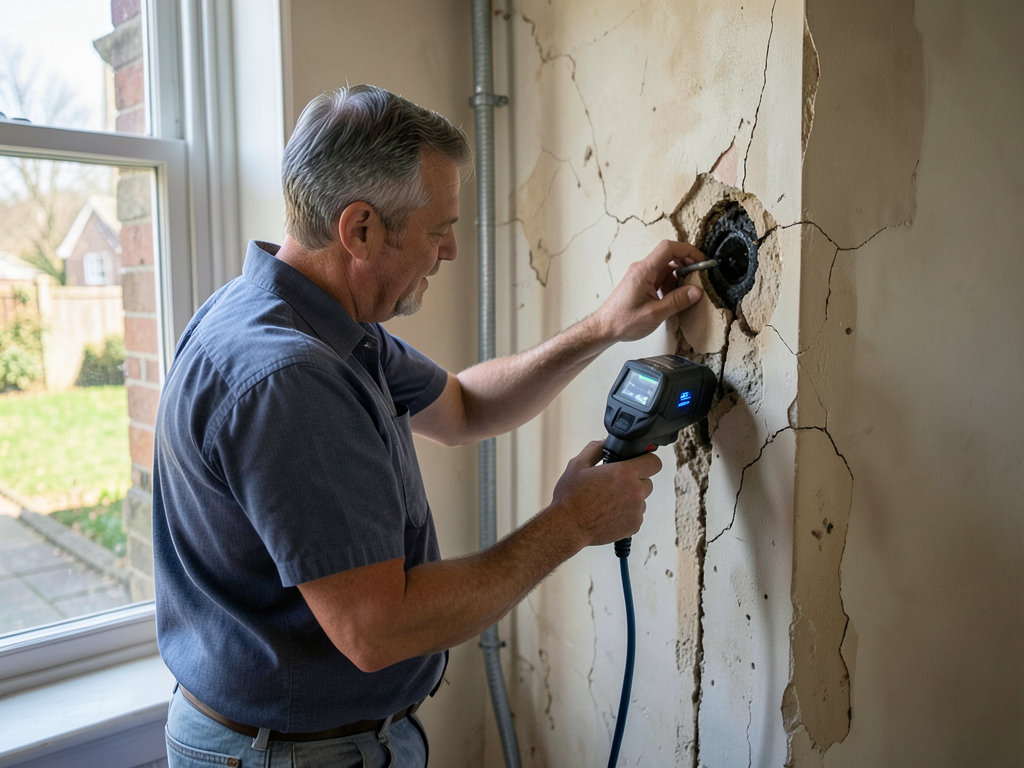
Buffalo's housing stock ranges from century-old Victorians in the Elmwood Village to post-war ranch homes in Cheektowaga. Each era has different plumbing standards, and retrofitting modern materials into older homes requires understanding original construction methods. We work in homes with plaster walls that crack if you vibrate them too much during demolition. We know which neighborhoods have high iron content water that stains fixtures and accelerates corrosion in certain pipe materials.

The International Plumbing Code adopted by Buffalo allows both copper and PEX, but inspectors still scrutinize installations for compliance with specific sections covering support spacing, expansion compensation, and protection from physical damage. We pull permits for repipes that require inspections and know what local inspectors expect on jobsite walkthroughs. This prevents delays and ensures your installation passes on the first review.

Water chemistry varies across Erie County. Areas closer to Lake Erie may have different hardness levels than suburbs drawing from different aquifer sources. We test water before recommending materials, especially when replacing copper with PEX or vice versa. A system that works in Amherst might cause problems in South Buffalo if water pH or chlorine levels differ significantly.

Patriot Plumbing Buffalo has installed both copper and PEX systems in hundreds of local homes. We have seen which materials hold up better in specific applications and which installations cause callbacks. That experience lets us give you honest guidance instead of pushing whatever material generates higher margins. Some jobs genuinely need copper for longevity and code compliance. Others benefit from PEX flexibility and cost savings. We match material to your actual need, not our preference.

We also understand Buffalo's real estate market. If you plan to sell within three years, buyers and inspectors will scrutinize any plumbing upgrades. Copper still carries perceived prestige among older buyers who view PEX as cheap or experimental. If you are aging in place, PEX makes more financial sense for whole-house repipes due to faster installation and lower material cost.

What You Need to Know Before Starting a Repipe Project

Installation Time and Disruption

Copper installations take longer due to soldering time and the need for open flame work near framing and insulation. A full-house copper repipe in a 1,500-square-foot home takes three to five days depending on access and complexity. PEX installs faster because connections use crimp or clamp rings that take seconds instead of minutes per joint. The same home repipe using PEX typically finishes in two to three days. Both materials require cutting into walls at key locations, so expect drywall patching regardless of which system you choose. We protect finished surfaces with drop cloths and minimize dust during demolition.

How We Evaluate Your Current System

We start with a pressure test on existing lines to identify weak points and hidden leaks. A camera inspection through drain lines shows whether corrosion or root intrusion is affecting waste pipes in addition to supply lines. We check water heater age and condition because replacing supply lines often makes sense when the water heater is near end-of-life. We also measure static water pressure and flow rate at fixtures to determine if low pressure stems from corroded pipes, inadequate main line size, or municipal supply issues. This diagnostic phase prevents you from repiping the house only to discover the problem lies elsewhere.

What the Finished Installation Delivers

A properly installed system, whether copper or PEX, should deliver consistent pressure at all fixtures without water hammer or slow drainage. You will notice improved flow at showers and faster tub fill times if old pipes were restricting flow. Copper installations have a clean, professional appearance with straight runs and uniform support spacing. PEX systems use fewer joints and eliminate the risk of pinhole leaks common in aging copper. Both materials will last decades if installed to code and protected from environmental damage. We test all connections before closing walls and provide documentation showing materials used and locations of shut-off valves.

What Happens After Installation

We provide a diagram showing pipe routing and valve locations for future reference. This matters when you need to shut off water for repairs or additions years later. Copper systems require minimal maintenance beyond monitoring for corrosion if water chemistry changes. PEX systems need periodic checks on crimp rings and expansion fittings, especially in areas with temperature swings. We recommend annual water quality testing if you have copper to catch pH drops before corrosion starts. Both systems benefit from whole-house sediment filters that protect fixtures and appliances from mineral buildup.

Frequently Asked Questions

You Have Questions,
We Have Answers

Do plumbers prefer PEX or copper? +

Most plumbers prefer PEX for residential repiping in Buffalo because it cuts labor costs and installation time. PEX flexes around corners without fittings, resists freeze damage during harsh winters, and requires fewer solder joints. Copper still gets chosen for exposed runs and when homeowners want the traditional aesthetic. In Buffalo's older housing stock, PEX makes retrofitting easier since you can snake it through existing walls without major demolition. The choice depends on budget, application, and building code requirements. Both materials work well when installed correctly by a licensed professional.

Why don't insurance companies like PEX plumbing? +

Some insurance companies raised concerns about early PEX formulations that failed prematurely, causing water damage claims. Brass fittings on older PEX systems corroded in certain water chemistries, leading to leaks. However, modern PEX-A and PEX-B products meet strict ASTM standards and carry approval from major insurers when installed to code. Buffalo's municipal water chemistry works fine with current PEX formulations. If your insurer questions PEX, provide documentation showing it meets NSF-61 certification and local building codes. Most underwriters now accept PEX without premium increases.

What are the downsides of PEX pipe? +

PEX cannot be exposed to direct sunlight for extended periods because UV rays degrade the plastic. You cannot use it for outdoor hose bibs in Buffalo unless protected. PEX also cannot go directly to a water heater without an 18-inch copper adapter due to temperature limits. Rodents can chew through PEX in crawlspaces or unfinished basements. Some people dislike the plastic taste initially, though it dissipates. PEX also requires special expansion or crimping tools, so repairs need a trained plumber. Despite these limitations, PEX remains a solid choice for most residential applications.

Why do plumbers not use copper anymore? +

Plumbers moved away from copper primarily due to cost. Copper prices tripled over the past two decades, making whole-house repiping expensive. Labor costs also increased since copper requires precise cutting, soldering, and fitting work. PEX installs faster with fewer joints, reducing both material and labor expenses. Buffalo's freeze-thaw cycles also favor PEX, which expands slightly when frozen instead of bursting like rigid copper. Copper still gets used for specialty applications, but for standard residential plumbing, PEX offers better value and performance in cold climates.

What is the life expectancy of PEX pipes vs copper pipes? +

Copper pipes last 50 to 70 years when installed in neutral water conditions, with some lasting a century in Buffalo's historic homes. PEX is newer, so real-world data is limited, but manufacturers rate it for 50-plus years based on accelerated testing. Buffalo's water chemistry affects both materials differently. Acidic or chlorinated water can cause pinhole leaks in copper over time. PEX resists corrosion but degrades under UV exposure. Both materials will outlast most mortgages when installed correctly. Your home's specific water quality matters more than generic lifespan estimates.

What is the lawsuit against PEX pipe? +

Several class-action lawsuits targeted specific PEX manufacturers for defective products and brass fittings that caused leaks. The largest cases involved Kitec, Zurn, and Vanguard systems installed between 1995 and 2010. These brands used faulty fittings that corroded and failed prematurely. Settlements compensated homeowners for repiping costs. Modern PEX brands like Uponor, SharkBite, and Viega redesigned their systems and now meet stricter standards. If your Buffalo home has PEX installed before 2010, have a plumber identify the brand. Current PEX products do not face the same defect issues.

Why do plumbers not like PEX? +

Some old-school plumbers distrust PEX because it replaced a skill they mastered: soldering copper. Others experienced failures with early PEX brands and remain skeptical. Concerns about chemical leaching and rodent damage are valid but rare when installed correctly. Many plumbers also prefer copper for its proven track record and recyclability. However, younger tradespeople trained on PEX appreciate its speed and reliability in Buffalo's cold climate. The resistance often comes down to familiarity and personal preference, not actual performance data. Both materials work when installed to code by a qualified professional.

What is the best pipe for home plumbing? +

The best pipe depends on your application, budget, and home. For most Buffalo residential plumbing, PEX-A offers excellent freeze resistance, lower cost, and faster installation. Copper remains ideal for exposed piping, water heater connections, and when you want a traditional look. CPVC works as a budget alternative but becomes brittle in cold basements. Galvanized steel exists in older homes but should be replaced due to corrosion. For whole-house repiping, PEX-A gives you the best combination of durability, cost, and cold-weather performance. Consult a local plumber to evaluate your specific needs.

Where should you not use PEX? +

Never use PEX outdoors or in direct sunlight because UV rays break down the plastic within months. Do not run PEX directly to water heaters. Code requires at least 18 inches of metal pipe at the heater connection. Avoid PEX in areas with high rodent activity unless you protect it with metal sleeves. Some Buffalo homeowners skip PEX for exposed basement runs where they prefer the look of copper. You also cannot use PEX for recirculating water systems over 180 degrees. For standard hot and cold water distribution inside walls, PEX excels.

Why is PEX banned in NYC? +

New York City banned PEX until 2021 due to concerns about fire safety and chemical leaching in high-rise buildings with different pressure demands than single-family homes. The city required extensive testing before approving PEX for residential use. Buffalo operates under New York State code, which approved PEX decades earlier for residential applications. NYC also has unique plumbing unions that preferred copper for job security. The ban lifted after manufacturers proved PEX met fire and health standards. Buffalo homeowners never faced this restriction and have used PEX successfully for years.

How Buffalo's Freeze-Thaw Cycles and Water Chemistry Shape the PEX vs. Copper Decision

Buffalo sees extended periods where outdoor temperatures stay below freezing, and homes built before 1980 often lack adequate insulation in exterior wall cavities. Copper pipes running through these walls risk freezing during polar vortex events that push temperatures below zero for days. PEX flexes when water expands during freezing, which reduces the chance of catastrophic splits that flood basements when temperatures rise. But PEX cannot be exposed to sunlight or installed outdoors, which limits where it can be used in homes with unfinished basements or crawl spaces with exterior access. The choice between materials often depends on where the pipes run and whether those areas stay consistently above freezing.

Erie County water quality varies by source. Some areas have slightly acidic water that accelerates copper corrosion over time, leading to pinhole leaks in horizontal runs where water sits overnight. Other areas have high chlorine levels that can degrade certain PEX formulations faster than expected. Local plumbers who work across different Buffalo neighborhoods understand these variations and recommend materials that match your specific water chemistry. We test pH, hardness, and chlorine levels before finalizing material selection to avoid installing a system that will underperform due to local water conditions you cannot easily change.
Plumbing Services in The Buffalo Area

We are proud to serve our community and invite you to explore our service area. Whether you need a quick repair or a major installation, our team is ready to assist you. Our commitment extends throughout the region, ensuring every home and business has access to top-tier plumbing services. We look forward to being your trusted local partner and demonstrating why we are the right choice for all your plumbing needs.

Address:
Patriot Plumbing Buffalo, 737 Delaware Ave, Buffalo, NY, 14209

Additional Services We Offer

Our news updates

Latest Articles & News from The Blogs

The Ultimate Plumbing Inspection Checklist for Parkside Home Buyers Buying a home in Parkside means investing in one of Buffalo’s…

The Ultimate Plumbing Inspection Checklist for Parkside Home Buyers

The Ultimate Plumbing Inspection Checklist for Parkside Home Buyers Buying a home in Parkside means investing in one of Buffalo’s…

How to Stop Your Depew Basement Floor Drain from Backing Up

How to Stop Your Depew Basement Floor Drain from Backing Up When sewage or water starts rising from your basement…

Maintaining the Historic Radiator and Boiler Systems in Buffalo University District Homes

Maintaining the Historic Radiator and Boiler Systems in Buffalo University District Homes \n\n The University District’s century-old radiator systems face…

Contact Us

Stop guessing which material fits your project. Call Patriot Plumbing Buffalo at (716) 317-6655 for a detailed assessment of your current plumbing and clear recommendations based on your home's age, water quality, and long-term plans.