Menu

Plumbing Services in Buffalo – Complete Residential and Commercial Solutions You Can Count On

From routine repairs to complex system installations, our licensed plumbing contractors deliver fast, reliable service for homes and businesses across the greater Buffalo metro area.

Slider Image 1
Slider Image 2
Slider Image 3
Slider Image 4
Slider Image 5
Slider Image 7
Slider Image 8
Slider Image 9
Slider Image 10
Slider Image 11

Buffalo's Climate and Infrastructure Create Unique Plumbing Challenges

Buffalo's brutal freeze-thaw cycles put tremendous stress on your plumbing system. When temperatures plummet below zero, pipes contract. When they warm up, they expand. This constant movement creates weak points at joints and fittings, especially in older homes throughout neighborhoods like North Buffalo and Elmwood Village where galvanized steel pipe is still common.

The city's aging infrastructure compounds the problem. Many Buffalo properties were built before 1960, when plumbing codes were far less stringent. You have lead service lines, outdated venting systems, and undersized supply pipes that cannot handle modern water demands. The result is low water pressure, frequent clogs, and pipes that fail without warning.

Hard water from Lake Erie causes another layer of trouble. Mineral deposits build up inside pipes, water heaters, and fixtures. Your faucets clog. Your water heater efficiency drops. Your appliances wear out faster. These issues do not announce themselves until you have no hot water on a January morning or a burst pipe flooding your basement.

Professional plumbers who know Buffalo understand these specific challenges. Local plumbing companies see the same problems repeatedly because of our climate and housing stock. Whether you need emergency repairs, preventive maintenance, or a complete system upgrade, choosing plumbing contractors with local experience makes the difference between a proper fix and a temporary patch that fails when you need it most.

Buffalo's Climate and Infrastructure Create Unique Plumbing Challenges
How Professional Plumbing Services Solve Your Water and Drainage Problems

How Professional Plumbing Services Solve Your Water and Drainage Problems

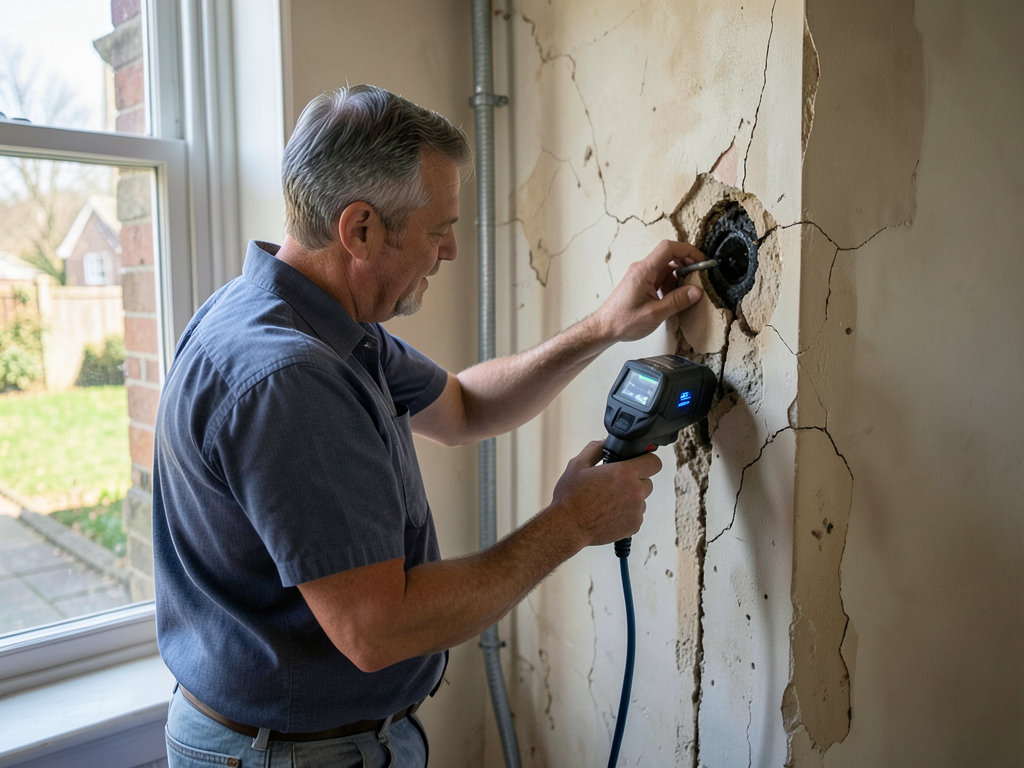
Quality plumbing repair services start with accurate diagnosis. We use video camera inspection to see inside your drain lines, identifying blockages, root intrusion, and pipe deterioration without tearing apart your walls. For supply line issues, we perform pressure tests and thermal imaging to pinpoint leaks hidden behind drywall or under concrete slabs.

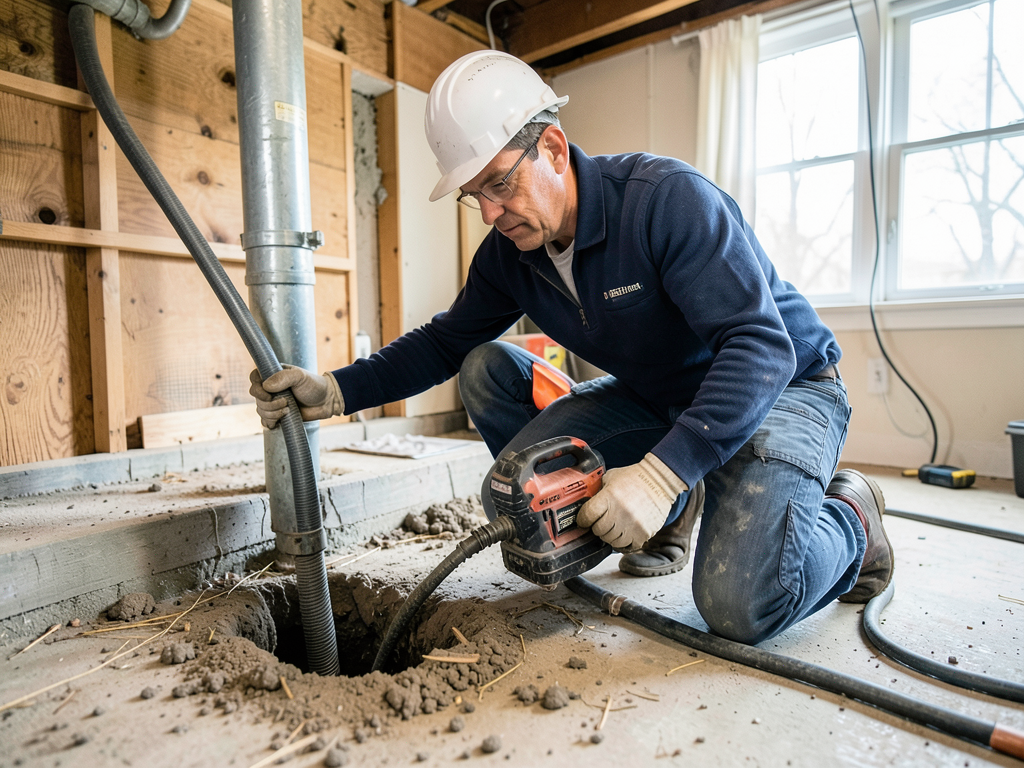
Once we identify the problem, we match the solution to your specific situation. A simple clog might need hydro-jetting to blast away years of grease and soap buildup. A corroded section of pipe requires cutting out the damaged area and installing new copper or PEX tubing with proper support and insulation. A failed water heater means evaluating your household demand, available space, and fuel source before recommending tank or tankless replacement options.

We handle both potable water systems and drain-waste-vent systems. That means everything from fixing a leaking shut-off valve under your kitchen sink to replacing your main sewer line from the house to the street connection. For commercial clients, we size and install grease traps, backflow preventers, and medical gas systems that meet New York State Uniform Fire Prevention and Building Code requirements.

The work itself follows strict protocols. We shut off water at the appropriate isolation valve. We protect your floors and belongings with drop cloths. We test every connection for leaks before closing walls. We verify proper drainage slope and vent termination. When we leave, your plumbing system works correctly and safely.

What Happens When You Schedule Plumbing Service

Plumbing Services in Buffalo – Complete Residential and Commercial Solutions You Can Count On
01

Initial Assessment and Diagnosis

Your plumber arrives with diagnostic tools and asks detailed questions about the problem. When did it start? Have you noticed any related issues? We inspect the affected fixtures, test water pressure, check shut-off valves, and trace supply and drain lines. For persistent clogs, we run a camera through your pipes. This evaluation takes 20 to 45 minutes and gives us the information needed to explain exactly what is wrong and what it will take to fix it.
02

Repair or Replacement Work

After you approve the scope and pricing, we start the repair. We protect your home, shut off water to the affected area, and complete the work using code-compliant materials and methods. This might mean replacing a wax ring and resetting your toilet, snaking a main line blockage, or installing a new fixture. We clean up debris, test the repair under normal operating conditions, and verify no leaks exist before moving to the final step.
03

System Testing and Walkthrough

We test the repaired system thoroughly. Drains must flow without gurgling. Supply lines must hold pressure without dripping. Water heaters must reach temperature and maintain it. We walk you through what we did, explain any observations about your plumbing system, and answer your questions. You receive documentation of the work performed, parts installed, and maintenance recommendations. Your plumbing now functions as designed.

Why Buffalo Property Owners Choose Local Plumbing Experts

You want a plumbing contractor who knows Buffalo's specific building stock and infrastructure challenges. We work in century-old Victorian homes in Allentown with cast iron drain stacks and knob-and-tube electrical nearby. We service commercial properties downtown where you cannot shut down water during business hours. We understand the permit requirements in the City of Buffalo and surrounding towns like Amherst, Cheektowaga, and Tonawanda.

Local experience means we stock the parts that Buffalo properties actually need. Your 1940s house has different fittings than a 2010 subdivision home. We carry flange repair kits for cast iron, compression fittings for copper, and expansion fittings for PEX. When your water heater fails on Sunday morning, we have replacement units on our trucks, not sitting in a warehouse two states away.

We also understand Buffalo's seasonal demands. January and February bring frozen pipe emergencies. Spring thaw reveals foundation cracks that leak groundwater into basements. Summer storms overwhelm combined sewers and back up into lower-level drains. We prepare for these patterns and staff accordingly, so you get fast response when everyone else is calling for help at the same time.

Choosing professional plumbers who live and work in this community means choosing people who care about their reputation on every street in Erie County. We see you at the grocery store, at community events, at local businesses. That accountability matters when you need someone to do the job right the first time.

What You Can Expect from Professional Plumbing Service

Response Time and Availability

For standard service calls, we schedule appointments within 24 to 48 hours based on your availability. Emergency calls get prioritized, with technicians dispatched immediately for situations like burst pipes, sewer backups, or no hot water in winter. We provide arrival windows and call ahead when the truck is 15 minutes out. Our goal is predictable service that respects your schedule, not vague all-day windows that waste your time waiting.

Thorough Evaluation Before Any Work

Every service call starts with diagnosis, not assumptions. We ask questions, run tests, and inspect related components to understand the root cause. You get a clear explanation of the problem in plain language, not jargon designed to confuse you. We outline your options, explain the pros and cons of each approach, and provide upfront pricing before starting any work. No surprises on the bill.

Quality Workmanship and Code Compliance

We install and repair plumbing systems according to current New York State Uniform Code standards. That means proper pipe sizing, correct drainage slope, adequate venting, and approved materials. We use copper, PEX, or CPVC for supply lines depending on application. We secure pipes correctly to prevent water hammer. We test for leaks before closing walls. The work passes inspection because it is done right.

Ongoing Support and Maintenance

After we complete repairs or installations, you get documentation of the work and clear maintenance guidance. We explain how to prevent future problems, when to schedule inspections, and what warning signs to watch for. If something does not perform as expected, we come back and make it right. Building long-term relationships with Buffalo property owners means standing behind our work and staying available when you need help.

Frequently Asked Questions

You Have Questions,
We Have Answers

What do local plumbers charge per hour? +

In Buffalo, most licensed plumbers charge between $75 and $150 per hour for standard service calls. Emergency work after hours or on weekends typically runs higher, sometimes double the base rate. Factors affecting cost include the plumber's experience, complexity of the job, and whether specialized equipment is needed. Many Buffalo plumbers charge a trip fee (usually $50 to $100) that covers the first hour or gets applied to your total bill. Always ask for a written estimate before work begins, especially for jobs requiring permits in Erie County.

How to avoid getting ripped off by a plumber? +

Verify the plumber holds a valid New York State license and carries liability insurance. Get at least three written estimates for major work in Buffalo. Avoid contractors who demand full payment upfront or pressure you to decide immediately. Ask for itemized quotes that break down labor, materials, and permit fees. Check references and online reviews from other Buffalo homeowners. Be wary of prices significantly lower than competitors, which often signals subpar materials or unlicensed work. For jobs requiring permits, confirm the plumber will pull them through the City of Buffalo.

What do plumbing services include? +

Plumbing services cover drain cleaning, pipe repair and replacement, water heater installation, fixture installation (sinks, toilets, faucets), sewer line work, and leak detection. Many Buffalo plumbers also handle winterization services, burst pipe repair from freeze-thaw cycles, and sump pump installation for basement flooding prevention. Commercial plumbing includes backflow testing, grease trap maintenance, and code compliance work. Emergency services address urgent issues like sewage backups or major leaks. Some plumbers offer camera inspections to diagnose hidden problems in older Buffalo homes with aging cast iron or clay pipes.

How much would a plumber charge an hour? +

Standard hourly rates for plumbers in Buffalo range from $75 to $150, depending on the company and job complexity. You pay for the plumber's expertise, tools, vehicle costs, insurance, and licensing. Emergency calls outside normal business hours cost more, often $150 to $300 per hour. Simple repairs like fixing a leaky faucet take less time than complex jobs like repiping a basement. Most plumbers charge a minimum service call fee, so bundling multiple small repairs in one visit saves money. Always confirm the rate and any additional fees before work starts.

Is it cheaper to DIY or hire a plumber? +

For simple tasks like replacing a faucet aerator or tightening a loose connection, DIY saves money. But Buffalo's older housing stock often hides surprises like corroded pipes or outdated fittings that complicate repairs. A $20 DIY fix can become a $2,000 nightmare if you crack a pipe or cause water damage. Licensed plumbers carry insurance and know local codes. They complete work faster and guarantee results. For anything involving gas lines, sewer connections, or work requiring permits in Erie County, hire a professional. Your homeowner's insurance may not cover DIY mistakes.

What are common hidden plumbing costs? +

Hidden costs include permit fees required by the City of Buffalo for major work, disposal fees for old fixtures or hazardous materials, and wall or floor repair after accessing pipes. Older Buffalo homes often need additional work once walls open up, revealing corroded pipes or code violations. If your main sewer line connects to aging clay pipes common in pre-1960s neighborhoods, you may need costly excavation. Water damage remediation, mold treatment, and upgrading electrical near plumbing fixtures add expense. Always ask for a detailed written estimate that includes potential additional costs before authorizing work.

How to tell if your plumber is overcharging you? +

Compare estimates from three licensed Buffalo plumbers for the same scope of work. If one quote is drastically higher without clear justification, ask questions. Watch for inflated material costs (you can check retail prices online) or excessive labor hours for straightforward jobs. A leaky faucet should not take four hours to fix. Ask for itemized invoices that separate parts from labor. Be suspicious of vague line items like "miscellaneous fees." Check if the plumber charges for travel time within Buffalo, which is uncommon for local service areas. Trust your gut if something feels off.

What is the 135 rule for plumbing? +

The 135 rule is a rough guideline contractors sometimes use to estimate total project costs. You take the material cost, multiply by 1.35, then multiply again by your hourly labor rate to account for overhead, profit, insurance, and licensing costs. For example, if materials cost $100 and labor is $50 per hour, the formula suggests a total around $675. This is not a universal standard in Buffalo plumbing. Most reputable plumbers provide transparent itemized estimates instead of using markup formulas. Always request detailed breakdowns rather than accepting generic pricing structures.

What should you not say to a contractor? +

Never tell a contractor you are in a rush or have a tight deadline, which invites price inflation. Do not reveal your full budget upfront. Avoid saying "do whatever it takes" without getting an estimate first. Do not bad-mouth previous contractors, which makes you seem difficult to work with. Never imply you will not check references or verify licensing. Do not suggest paying cash to avoid taxes, which signals you are okay with unlicensed work. Avoid asking for work without permits if Erie County requires them. These statements undermine your negotiating position and attract dishonest contractors.

What are the four types of plumbing? +

The four main plumbing systems are potable water supply (bringing clean water in), drainage (removing wastewater), venting (allowing sewer gases to escape and maintaining drain flow), and stormwater management (handling roof runoff and foundation drainage). In Buffalo, older homes may have separate systems or combined sewer connections that handle both sanitary waste and stormwater. Modern code requires separate systems. Many Buffalo properties also include sump pump systems for basement water control due to high water tables near Lake Erie and the Niagara River. Understanding these systems helps you communicate effectively with your plumber.

How Buffalo's Freeze-Thaw Cycles and Aging Infrastructure Impact Your Plumbing System

Buffalo endures some of the harshest winter conditions in New York State, with average January temperatures around 23 degrees and frequent cold snaps below zero. These extreme temperature swings cause pipes to expand and contract repeatedly throughout winter. Older homes in neighborhoods like Black Rock and Riverside have minimal insulation in exterior walls, leaving supply lines vulnerable to freezing. When pipes freeze, pressure builds up behind the ice blockage. The pipe does not always burst at the frozen section, it often cracks at the weakest joint downstream when the thaw begins and pressurized water finds that failure point.

Beyond climate challenges, Buffalo's housing stock includes thousands of properties built before modern plumbing codes existed. Many homes still have original galvanized steel drain lines that corrode from the inside out, creating rough surfaces where waste catches and clogs form. Professional plumbers who specialize in Buffalo properties know how to identify these aging systems, recommend strategic upgrades, and work within the constraints of older construction. We understand local permit requirements, know which inspectors cover which areas, and maintain relationships with city building departments that streamline approvals when major work requires permits.
Plumbing Services in The Buffalo Area

We are proud to serve our community and invite you to explore our service area. Whether you need a quick repair or a major installation, our team is ready to assist you. Our commitment extends throughout the region, ensuring every home and business has access to top-tier plumbing services. We look forward to being your trusted local partner and demonstrating why we are the right choice for all your plumbing needs.

Address:
Patriot Plumbing Buffalo, 737 Delaware Ave, Buffalo, NY, 14209

Additional Services We Offer

Our news updates

Latest Articles & News from The Blogs

The Ultimate Plumbing Inspection Checklist for Parkside Home Buyers Buying a home in Parkside means investing in one of Buffalo’s…

The Ultimate Plumbing Inspection Checklist for Parkside Home Buyers

The Ultimate Plumbing Inspection Checklist for Parkside Home Buyers Buying a home in Parkside means investing in one of Buffalo’s…

How to Stop Your Depew Basement Floor Drain from Backing Up

How to Stop Your Depew Basement Floor Drain from Backing Up When sewage or water starts rising from your basement…

Maintaining the Historic Radiator and Boiler Systems in Buffalo University District Homes

Maintaining the Historic Radiator and Boiler Systems in Buffalo University District Homes \n\n The University District’s century-old radiator systems face…

Contact Us

Stop dealing with plumbing problems that disrupt your life or business. Call Patriot Plumbing Buffalo now at (716) 317-6655 for fast, professional service. We answer calls seven days a week and provide upfront pricing before starting any work.