Menu

Preventative Commercial Maintenance in Buffalo | Minimize Downtime and Protect Your Bottom Line

Patriot Plumbing Buffalo delivers scheduled commercial plumbing upkeep that keeps your facility operational year-round, reducing emergency service calls by up to 70% and extending equipment lifespan through routine commercial plumbing inspections tailored to Western New York's demanding conditions.

Slider Image 1
Slider Image 2
Slider Image 3
Slider Image 4
Slider Image 5
Slider Image 7
Slider Image 8
Slider Image 9
Slider Image 10
Slider Image 11

Buffalo's Freeze-Thaw Cycles and Aging Infrastructure Create Hidden Commercial Plumbing Risks

Your commercial property faces constant assault from Buffalo's brutal freeze-thaw cycles. When temperatures swing from below zero to 40 degrees in 48 hours, pipe joints expand and contract. Solder weakens. Gaskets fail. You will not see the damage until a main line ruptures during business hours.

Most commercial buildings in the Elmwood Village and Downtown Buffalo were built before 1960. Cast iron drain lines corrode from the inside out. Galvanized supply lines accumulate scale. The city's aggressive water treatment compounds the problem. Your pipes deteriorate while your balance sheet stays blind to the risk.

A single water main break costs the average Buffalo restaurant $12,000 in lost revenue, emergency repairs, and health department re-inspection fees. Multi-tenant office buildings face tenant lawsuits and lease disputes. Manufacturing facilities halt production lines. Retail stores close during peak shopping periods.

Commercial plumbing maintenance plans eliminate surprise failures. Routine commercial plumbing inspections catch deterioration before it becomes catastrophe. Preventive commercial plumbing services identify valve failures, pressure irregularities, and drain blockages during scheduled visits when your doors are closed and your staff is off-site.

Commercial plumbing service agreements lock in priority scheduling and predictable maintenance budgets. Scheduled commercial plumbing upkeep transforms plumbing from a liability center into a managed asset. You replace components on your timeline, not when a break forces your hand at 3 AM on a Saturday.

The question is not whether your plumbing will fail. The question is whether you will control when and how it happens.

Buffalo's Freeze-Thaw Cycles and Aging Infrastructure Create Hidden Commercial Plumbing Risks
Our Multi-Point Inspection Protocol Targets Buffalo's Most Common Commercial Failures

Our Multi-Point Inspection Protocol Targets Buffalo's Most Common Commercial Failures

We do not walk through with a clipboard and check boxes. Our technicians conduct diagnostic testing designed specifically for Buffalo's commercial building stock and climate stress patterns.

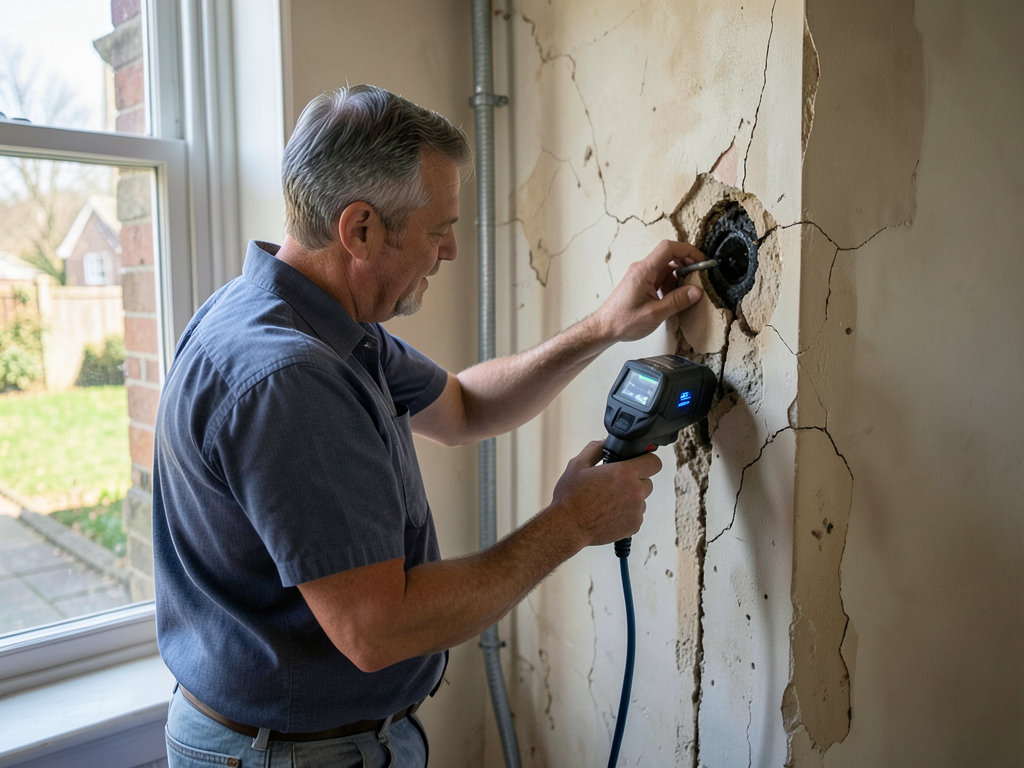
Every inspection starts with thermal imaging of supply lines and drain stacks. Thermal signatures reveal insulation failures, hidden leaks behind walls, and hot spots that indicate impending valve failure. We map your entire system digitally so you see exactly where problems develop over time.

We test backflow preventers under load conditions. Most inspectors run a static test and move on. We simulate actual usage patterns because backflow devices fail under pressure cycling, not at rest. Your cross-connection control depends on devices that work during peak demand, not during a lazy Sunday morning test.

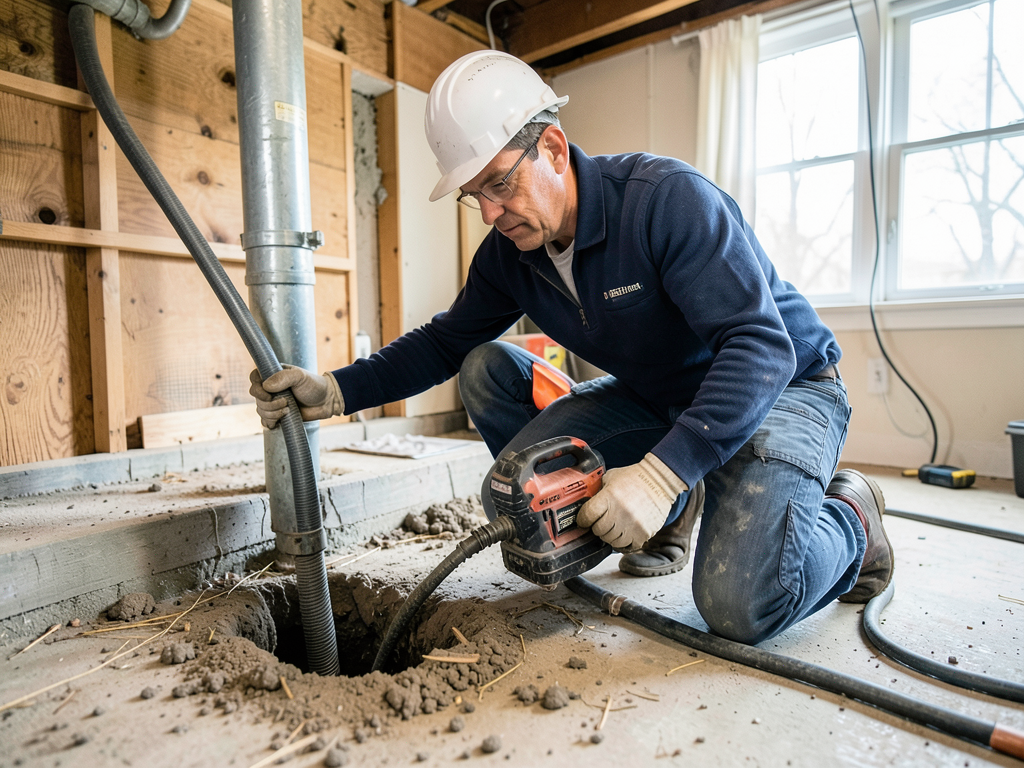
Hydro-jetting the main sewer line is standard. What separates our approach is video documentation of the pipe interior before and after cleaning. You see the scale buildup, root intrusion, and joint separation. You get footage proving the work was done and showing you exactly what condition your infrastructure is in right now.

We pressure-test water heater relief valves and expansion tanks. We inspect anode rods in tank-style heaters. We verify proper venting on atmospheric units. Buffalo's hard water accelerates sediment accumulation. Commercial water heaters operating in Western New York need quarterly flushing, not the annual service most contracts specify.

Our reports include infrared leak detection, fixture flow rate measurements, and pressure readings at every riser. You receive a prioritized repair list with photos, thermal images, and projected failure timelines. You make informed capital decisions based on engineering data, not panic during an emergency.

How Scheduled Maintenance Visits Work for Your Buffalo Facility

Preventative Commercial Maintenance in Buffalo | Minimize Downtime and Protect Your Bottom Line
01

After-Hours System Assessment

We schedule inspections when your building is empty. Our technicians arrive after closing and complete work before your first employee arrives. We access mechanical rooms, test fixtures, run diagnostic equipment, and document findings without disrupting operations. You wake up to a completed inspection report in your inbox with zero impact on productivity or customer experience.
02

Component Testing and Documentation

Every valve, backflow device, water heater, and drain line undergoes performance testing. We use calibrated pressure gauges, thermal cameras, and video inspection equipment to measure actual operating conditions. Each component receives a pass-fail grade with photographic evidence. Your facility manager gets a digital asset map showing the current condition and remaining service life of every major plumbing component in your building.
03

Prioritized Repair Roadmap

We deliver a three-tier action plan. Tier One lists immediate safety hazards requiring correction within 30 days. Tier Two identifies components with 6-12 months of remaining service life. Tier Three covers long-term capital improvements for budget planning. You decide what gets fixed and when, but you make that decision with complete information about risk, cost, and consequences of delay.

Why Buffalo Property Managers Trust Patriot Plumbing Buffalo for Commercial Contracts

We built our business serving commercial properties in Buffalo. We know that buildings along the Niagara Street corridor have different plumbing challenges than facilities in the Medical Campus or the warehouses in South Buffalo near the Port. Every neighborhood has unique infrastructure age, soil conditions, and building code compliance histories.

Our technicians carry commercial backflow certifications required by the Buffalo Water Board. We understand the cross-connection control requirements for restaurants, medical facilities, and manufacturing plants. We file the annual reports your building needs to maintain compliance. You do not chase paperwork or risk citations during health inspections.

We stock parts for the commercial fixtures and equipment installed in Buffalo buildings. When we identify a failed component during inspection, we carry the replacement on the truck. Most repairs happen the same visit. You do not wait three weeks for a specialty valve while tenants complain and business suffers.

Our contracts include priority emergency response. When you call outside scheduled maintenance windows, you jump ahead of residential callers. Your facility gets a technician dispatched within two hours, not next-day service. Business continuity depends on immediate response when systems fail unexpectedly.

We work with your insurance provider after water damage events. Our documentation during routine inspections establishes maintenance records that support claims and demonstrate due diligence. Property owners with service agreements settle claims faster and face fewer coverage disputes because they prove proactive system management.

Patriot Plumbing Buffalo manages maintenance contracts for office buildings, restaurants, retail centers, medical offices, and light industrial facilities throughout Erie County. Your property joins a portfolio of commercial clients who shifted from reactive emergency spending to planned maintenance budgets.

What Your Commercial Maintenance Agreement Includes

Flexible Scheduling That Fits Your Operations

We conduct inspections quarterly, semi-annually, or annually based on your facility type and usage patterns. High-volume restaurants need quarterly drain maintenance. Office buildings operate effectively on semi-annual schedules. We arrive after business hours and complete work overnight or on weekends. Your doors stay open, your employees stay productive, and your customers never see a service truck. Emergency calls receive two-hour response windows with priority dispatch ahead of non-contract customers. You get immediate attention when unexpected failures threaten operations.

Comprehensive System Evaluation Using Diagnostic Equipment

Every inspection includes thermal imaging of supply and drain lines, video camera inspection of main sewer connections, pressure testing of backflow preventers, flow rate measurement at fixtures, and visual assessment of all accessible plumbing components. We test water heater relief valves, inspect expansion tanks, verify proper venting, and measure sediment accumulation. You receive a digital report with photos, thermal images, video footage, and pressure readings. Each component gets a condition score and projected replacement timeline. You see exactly what shape your plumbing is in right now and what needs attention in the next 12 months.

Detailed Reports That Support Capital Planning

Your inspection report organizes findings into immediate hazards, near-term repairs, and long-term capital improvements. Immediate hazards require correction within 30 days to prevent safety risks or code violations. Near-term repairs identify components with 6-12 months of remaining life that should go into next quarter's budget. Long-term improvements cover system upgrades for three-year capital planning. You present the report to ownership, boards, or investors as evidence-based justification for maintenance spending. The documentation supports insurance claims if failures occur despite maintenance and proves due diligence during liability disputes.

Ongoing Maintenance and Priority Parts Access

Contract clients receive priority access to our parts inventory and scheduling. When your inspection identifies a component that needs replacement, we carry common commercial parts on the truck and complete repairs the same visit. You avoid multiple service calls and extended downtime waiting for specialty orders. Your facility stays operational while competitors scramble to source parts during emergencies. We maintain digital records of every inspection, repair, and component replacement. You get historical documentation proving consistent maintenance, which supports asset valuations, insurance coverage, and liability defense if problems occur. Your maintenance file becomes an asset during property sales or refinancing.

Frequently Asked Questions

You Have Questions,
We Have Answers

What are the 5 types of preventive maintenance? +

The five types include time-based maintenance, which schedules work at fixed intervals. Usage-based maintenance triggers service after operating hours accumulate. Predictive maintenance uses data and diagnostics to forecast failures before they occur. Condition-based maintenance monitors equipment performance in real-time. Prescriptive maintenance combines analytics with automation to recommend actions. Buffalo commercial properties benefit most from blended approaches. Winter freeze-thaw cycles and humidity fluctuations demand tailored schedules. Equipment like rooftop HVAC units and boilers require aggressive interval planning to avoid mid-season failures that disrupt business continuity and escalate repair costs.

What are the 7 elements of preventive maintenance? +

The seven elements are inspection, which identifies wear and defects. Lubrication reduces friction and extends component life. Adjustment ensures optimal equipment calibration. Cleaning prevents debris buildup that degrades performance. Testing validates system functionality under load. Replacement addresses worn parts before failure. Documentation tracks service history and trends. Buffalo facilities face soot buildup from heating systems and corrosion from road salt exposure. Neglecting any element increases liability risk and energy waste. Commercial properties require systematic execution across all seven areas to maintain code compliance, minimize downtime, and protect asset value in harsh Great Lakes climate conditions.

How much does preventive maintenance cost for commercial HVAC? +

Commercial HVAC preventive maintenance cost depends on system size, complexity, and service frequency. Larger rooftop units serving multi-story buildings require more labor than small split systems. Quarterly service costs less per visit than monthly programs but may miss critical issues. Buffalo properties face higher maintenance demands due to extended heating seasons and equipment stress from temperature swings. Age and condition of existing equipment affect pricing. Multi-building campuses require different pricing structures than single locations. Cost factors include refrigerant type, accessibility, and after-hours scheduling needs. Budget for seasonal tune-ups before peak cooling and heating demand to avoid emergency service premiums.

What are examples of preventative maintenance? +

Examples include filter replacement to maintain airflow and indoor air quality. Belt inspection and tensioning prevent motor strain and unexpected breakdowns. Drain line flushing stops clogs that cause water damage. Refrigerant level checks ensure cooling efficiency and compressor protection. Electrical connection tightening reduces fire risk and equipment failure. Thermostat calibration maintains comfort and energy efficiency. In Buffalo, condensate pump testing is critical before winter to prevent freeze damage. Burner inspection on boilers ensures safe operation during heating season. Roof drain clearing prevents ice dam formation. Each task directly reduces liability exposure and operational disruption for commercial tenants and property managers.

What are the 4 P's of maintenance? +

The four P's are Predictive, which uses technology to forecast failures. Preventive schedules routine service before breakdowns occur. Proactive identifies root causes and eliminates recurring problems. Reactive addresses failures after they happen. Buffalo commercial operations should minimize reactive maintenance because winter emergencies create tenant complaints and costly after-hours service. Predictive methods work well for critical systems like heating equipment where failure means lost revenue. Preventive maintenance delivers the best return on investment for most commercial plumbing and HVAC applications. Proactive strategies address chronic issues like hard water scaling or undersized equipment that plague older Buffalo buildings and increase operating costs.

What is the 10% rule of preventive maintenance? +

The 10% rule suggests organizations should allocate roughly 10% of asset replacement value annually toward preventive maintenance. This benchmark helps budget planning and prevents deferred maintenance accumulation. A commercial building with $500,000 in mechanical systems should budget approximately $50,000 yearly for upkeep. Buffalo properties often require higher allocations because harsh winters accelerate equipment wear. Freeze-thaw cycles stress pipes and HVAC components. Road salt corrodes exterior units. Buildings that underfund maintenance experience more emergency repairs, shorter equipment life, and higher total cost of ownership. The rule provides a starting point but adjust based on equipment age, usage intensity, and local environmental factors.

What is included in a PM checklist? +

A PM checklist includes visual inspection for leaks, corrosion, and physical damage. Operational testing verifies equipment cycles properly under load. Measurement and recording of temperatures, pressures, and electrical readings establish performance baselines. Cleaning or replacement of filters, strainers, and wear components. Lubrication of motors, bearings, and moving parts. Safety device testing ensures code compliance. Documentation of findings and recommendations. Buffalo-specific items include condensate system freeze protection verification, outdoor unit mounting security after wind events, and combustion analysis on heating equipment. Checklists must align with manufacturer specifications and local building codes to maintain warranty coverage and reduce liability exposure for property owners.

What are the 5 basic maintenance skills? +

The five basic skills are mechanical aptitude to understand how systems operate and interact. Electrical knowledge for safe troubleshooting and component testing. Diagnostic ability to identify root causes rather than symptoms. Tool proficiency ensures proper equipment use and accurate measurements. Communication skills translate technical findings into actionable business recommendations for property managers. Buffalo commercial maintenance requires additional competencies including code familiarity, refrigerant handling certification, and backflow prevention expertise. Technicians must recognize local construction methods common in older Buffalo buildings. Skills in reading blueprints and understanding building automation systems become increasingly important as properties modernize. Effective maintenance teams combine trade expertise with customer service abilities.

What are the 5 pillars of TPM? +

The five pillars of Total Productive Maintenance are Autonomous Maintenance, where operators perform basic upkeep. Planned Maintenance schedules major service systematically. Quality Maintenance connects equipment condition to output standards. Focused Improvement eliminates recurring losses and inefficiencies. Early Equipment Management applies lessons learned to new installations. While TPM originated in manufacturing, commercial properties in Buffalo benefit from these principles. Building engineers who perform daily walkthroughs catch small issues early. Planned seasonal service prevents winter heating failures. Quality standards ensure tenant comfort and reduce complaints. Continuous improvement reduces energy waste. Proper commissioning of replacement equipment avoids repeating past mistakes and maximizes equipment longevity.

What is the $5000 AC rule? +

The $5,000 AC rule is a replacement versus repair guideline. Multiply the equipment age by repair cost. If the result exceeds $5,000, replacement makes better financial sense than repair. A 12-year-old unit needing $450 in repairs scores 5,400, suggesting replacement. Buffalo commercial properties must factor in heating functionality since most systems provide year-round climate control. Units approaching 15 years face declining efficiency and increasing refrigerant costs. Older equipment uses obsolete refrigerants with limited availability. Replacement delivers better energy performance, improved reliability, and reduced liability. The rule provides a framework but consult with qualified contractors about building-specific factors before making capital decisions.

Why Buffalo's Lake Effect Freeze-Thaw Cycles Demand More Aggressive Commercial Maintenance

Buffalo experiences an average of 32 freeze-thaw cycles each winter. When temperatures swing from 10 degrees to 45 degrees in 36 hours, pipe joints expand and contract repeatedly. This cycling stresses solder joints, compression fittings, and gasket seals far more aggressively than sustained cold. Commercial buildings with exterior walls facing Lake Erie wind see the most severe thermal stress on supply lines running through exterior walls. Preventive commercial plumbing services that include thermal imaging during shoulder seasons catch insulation failures and exposed pipe sections before the deep cold arrives. Routine commercial plumbing inspections scheduled in October and March identify thermal weak points when you still have time to remediate before the next temperature extreme hits.

Commercial properties throughout the Elmwood Village, Allentown, and Downtown Buffalo operate in buildings constructed between 1890 and 1960. These structures contain original cast iron drain stacks and galvanized supply lines that have reached end of service life. Buffalo's municipal water treatment includes corrosion inhibitors that create scale buildup inside pipes, gradually restricting flow and creating pressure drops. Commercial plumbing maintenance plans that include hydro-jetting and video documentation show property owners exactly what condition their underground infrastructure is in before catastrophic failures force reactive replacement at emergency pricing. Local expertise matters because Buffalo's building stock and climate conditions create unique failure patterns that standard national service contracts fail to address.
Plumbing Services in The Buffalo Area

We are proud to serve our community and invite you to explore our service area. Whether you need a quick repair or a major installation, our team is ready to assist you. Our commitment extends throughout the region, ensuring every home and business has access to top-tier plumbing services. We look forward to being your trusted local partner and demonstrating why we are the right choice for all your plumbing needs.

Address:
Patriot Plumbing Buffalo, 737 Delaware Ave, Buffalo, NY, 14209

Additional Services We Offer

Our news updates

Latest Articles & News from The Blogs

The Ultimate Plumbing Inspection Checklist for Parkside Home Buyers Buying a home in Parkside means investing in one of Buffalo’s…

The Ultimate Plumbing Inspection Checklist for Parkside Home Buyers

The Ultimate Plumbing Inspection Checklist for Parkside Home Buyers Buying a home in Parkside means investing in one of Buffalo’s…

How to Stop Your Depew Basement Floor Drain from Backing Up

How to Stop Your Depew Basement Floor Drain from Backing Up When sewage or water starts rising from your basement…

Maintaining the Historic Radiator and Boiler Systems in Buffalo University District Homes

Maintaining the Historic Radiator and Boiler Systems in Buffalo University District Homes \n\n The University District’s century-old radiator systems face…

Contact Us

Call Patriot Plumbing Buffalo at (716) 317-6655 to schedule your facility assessment. We evaluate your building, recommend an inspection frequency, and provide flat-rate contract pricing. You shift from reactive emergency spending to planned maintenance budgets. Protect your operations before the next freeze.