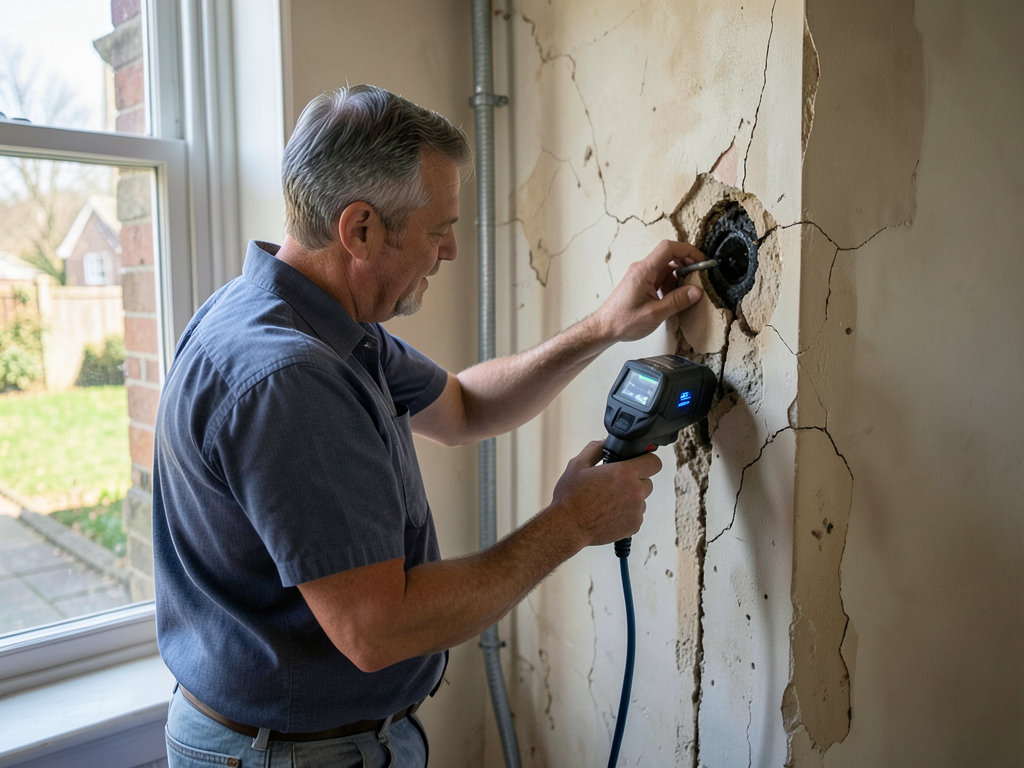
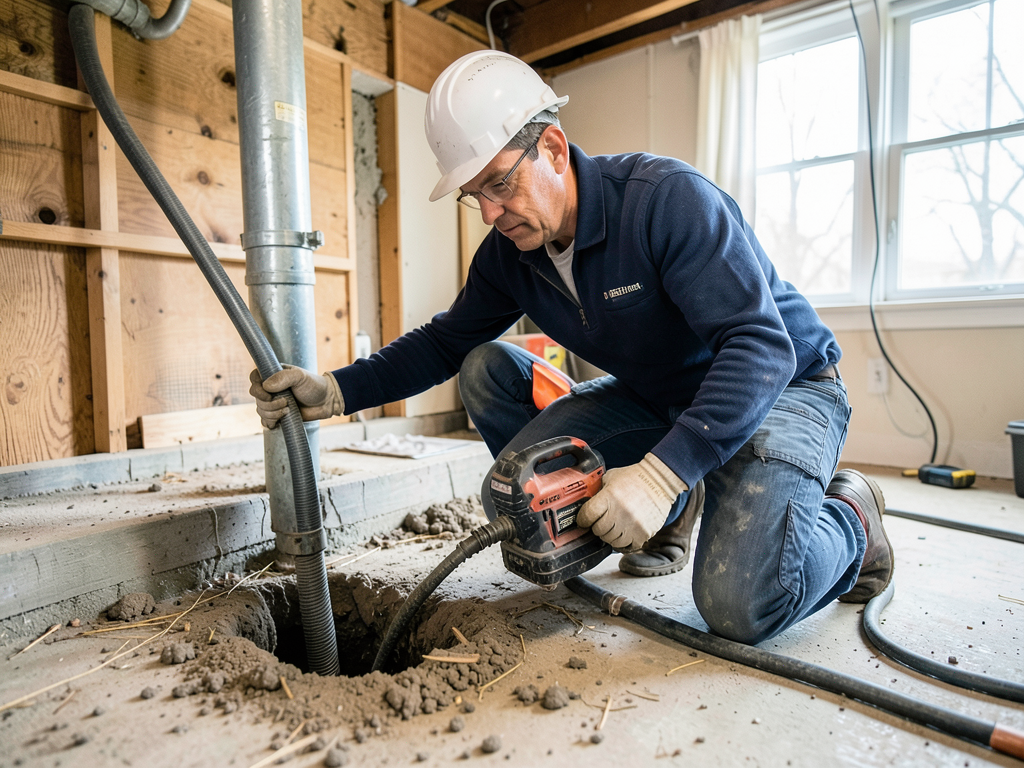
Buffalo sits on heavy clay soil that expands when wet and contracts when dry. This seasonal movement shifts pipe joints apart, creating entry points for tree roots seeking water. When temperatures drop below freezing, any moisture in those cracks expands, widening the gaps further. Over decades, this freeze-thaw cycle separates pipe sections that were originally tight joints. The mature tree canopy throughout older Buffalo neighborhoods then sends root systems directly into these openings, creating blockages that grow larger every year until sewage can no longer pass. This is why emergency drain cleaning services see a spike in calls every spring when roots activate after winter dormancy.
Buffalo's plumbing infrastructure varies wildly by neighborhood age. Homes built before 1950 often have terracotta or cast iron sewer laterals that are now 70 to 100 years old. These materials were never designed for century-long service life. Local plumbing codes require specific bedding and backfill techniques for sewer work because of our soil conditions, but many older installations predate these requirements. Patriot Plumbing Buffalo technicians train specifically on the failure patterns common to Western New York's aging infrastructure. We know which streets have city main connections that sit deeper than standard, which neighborhoods have shallow bedrock that limited original installation depth, and which tree species cause the most aggressive root intrusion.