
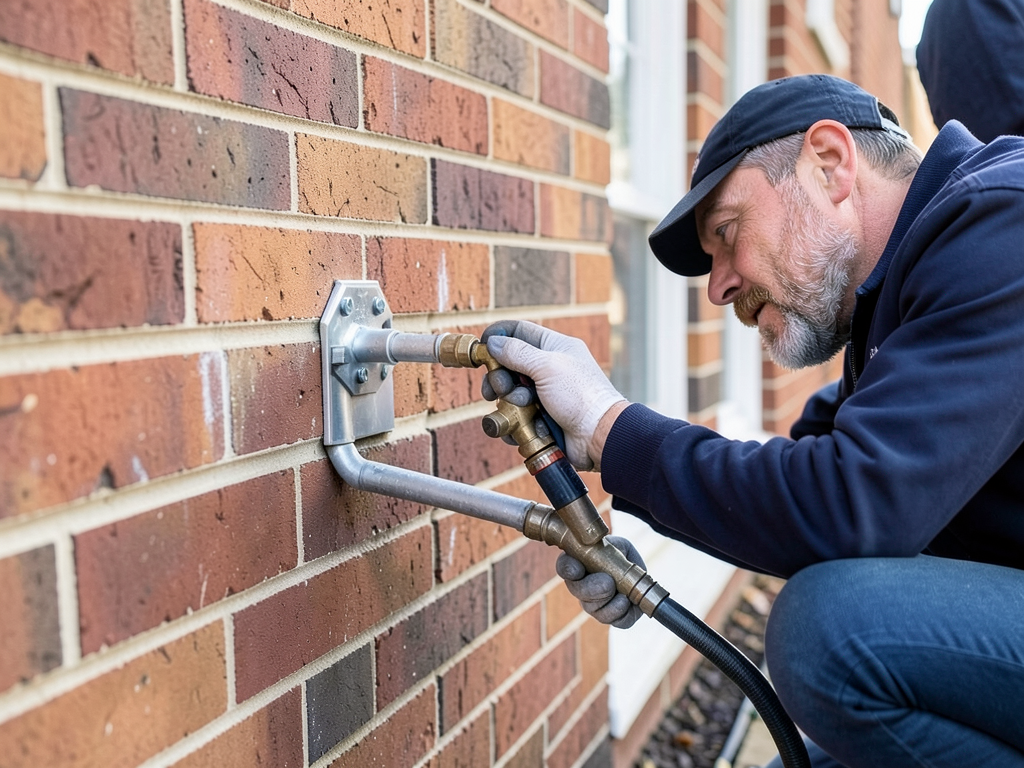
Protect Your Grand Island Garden from Buffalo’s Brutal Winters
Living on Grand Island means dealing with Lake Erie’s relentless freeze-thaw cycles. When temperatures plummet standard outdoor faucets become ticking time bombs. Water trapped in the exposed valve freezes expands and cracks the pipe behind your wall. The damage often goes unnoticed until spring thaw floods your basement with thousands of gallons of water. Upgrading to frost-proof sillcocks eliminates this risk by moving the shut-off valve inside your heated home where it stays protected year-round. Is Your Cheektowaga Basement Flooding? Here is the Sump Pump Repair You Need.
Buffalo’s climate creates unique challenges for Grand Island homeowners. The island’s position in the Niagara River exposes properties to colder temperatures than mainland Buffalo with frost penetrating deeper into the ground. Standard spigots with short stems leave the critical shut-off valve vulnerable to freezing. Frost-proof models feature extended stems ranging from 10 to 14 inches positioning the valve well inside your heated envelope. This simple upgrade prevents the catastrophic pipe bursts that plague Grand Island properties every winter.. Read more about Why is my Buffalo water bill so high all of a sudden?.
Call (716) 317-6655 today to schedule your inspection before winter arrives.
Why Standard Spigots Fail in Buffalo’s Climate
Ice expansion creates tremendous pressure inside pipes. Water expands approximately 9% when it freezes generating over 2000 pounds per square inch of force. Standard spigots leave the valve exposed to this pressure. When ice forms it pushes against the valve seat and stem cracking the brass body or splitting the copper pipe. The damage remains hidden until you turn on the faucet in spring releasing a torrent of water into your wall cavity. Get Your Hot Water Back Fast with Williamsville Water Heater Replacement.
Grand Island’s specific geography amplifies these risks. The island sits in the Niagara River surrounded by water that moderates temperatures slightly but creates more freeze-thaw cycles. This constant temperature fluctuation causes ice to expand and contract repeatedly weakening pipe joints and fittings. Properties near the river’s edge experience the worst conditions with wind-driven spray adding moisture that accelerates freezing.
Older Grand Island homes built before modern building codes often lack proper insulation around exterior plumbing. The original installers might have used minimal insulation or none at all leaving pipes vulnerable to cold air infiltration. Even newer homes can have poorly sealed penetrations where pipes enter the wall creating cold spots that trigger freezing. Who to Call for a Midnight Plumbing Emergency in Amherst.
Common failure signs include reduced water flow in spring visible cracks in the spigot body or water stains appearing on interior walls near the faucet location. If you notice any of these symptoms your existing faucet has likely already sustained freeze damage and needs immediate replacement.
Benefits of a Frost-Proof Sillcock Anti-Siphon Valve
Frost-proof sillcocks solve the freezing problem through smart engineering. The key innovation involves relocating the shut-off valve from the exterior to the interior of your home. When you turn off the faucet you are actually closing a valve located 10 to 14 inches inside your wall where temperatures stay above freezing. The remaining water in the exposed portion drains out through the spout leaving no water to freeze.
Anti-siphon protection adds another layer of safety. These valves include a built-in vacuum breaker that prevents contaminated water from flowing backward into your clean water supply. This protection becomes critical when using garden hoses for chemical applications or when the municipal water system experiences pressure drops. The vacuum breaker opens automatically if back-siphonage occurs protecting your family’s drinking water.
The extended stem design accommodates Grand Island’s typical wall construction. Most homes have 6-inch exterior walls requiring at least a 10-inch stem to position the valve properly. The sillcock slopes downward from the interior connection to the exterior spout ensuring complete drainage after each use. This pitch must be precise – too little slope leaves water trapped while excessive slope can cause installation difficulties.
Modern frost-proof models use durable materials resistant to corrosion and UV damage. Brass bodies withstand decades of exposure while stainless steel components resist mineral buildup. The washer-less designs eliminate the need for periodic replacement reducing long-term maintenance requirements.. Read more about Essential Fall Plumbing Maintenance to Protect Your Woodlawn Home from the Freeze.
Step-by-Step Installation Process
Proper installation determines whether your frost-proof upgrade succeeds or fails. The process starts with selecting the correct stem length for your wall thickness. Measure from the interior finished surface to the exterior siding then add two inches for the valve positioning and drainage slope. Standard Grand Island homes typically require 10 to 12-inch stems but some older properties with thick masonry walls might need 14-inch models.
Drilling through exterior walls requires different techniques based on construction type. Wood siding homes allow straightforward drilling with hole saws but brick or stone facades need masonry bits and careful dust control. The hole must be slightly larger than the sillcock diameter – typically 1/8 inch clearance all around. This prevents binding while maintaining a weather-tight seal.
Connection methods vary by existing plumbing material. Copper pipes require soldering skills and proper flux application. The process involves cleaning pipe ends applying flux heating the joint until the solder flows then allowing it to cool without movement. PEX piping uses push-fit or crimp connections that don’t require heat making them safer for DIY installations but potentially less durable long-term. How to Fix Frozen Pipes Before They Burst This Winter in Buffalo.
Proper pitch installation proves critical for drainage. The sillcock must slope downward from the interior connection to the exterior spout at approximately 1/4 inch per foot. This ensures complete water evacuation after each use. Installers often use a level and shims to achieve the correct angle before final tightening. The sillcock should never point upward or be perfectly level.
Interior valve access requires planning. The shut-off valve inside your home needs enough clearance for future maintenance. Installers typically create an access panel or leave the valve exposed in utility areas. This accessibility becomes important if the valve develops leaks or needs replacement decades later.
Cost Factors for Grand Island Homeowners
Installation costs in Grand Island reflect the area’s specific challenges. Labor rates typically range from 75 to 125 per hour with most installations requiring 2 to 3 hours for standard replacements. Complex jobs involving masonry drilling old pipe removal or wall repairs can extend to 4 to 6 hours. The higher end reflects the expertise needed to handle Grand Island’s mix of construction types without causing collateral damage. EPA.
Material costs vary significantly based on quality and features. Basic frost-proof sillcocks start around 25 while professional-grade models with brass bodies and stainless components cost 75 to 150. The price difference reflects durability – cheaper models might last 5 to 7 years in harsh conditions while premium units can function reliably for 20+ years. The initial investment often pays for itself through prevented damage. Professional Plumbing Hookups for Your Clarence Bathroom Remodel.
Additional costs can arise from unexpected conditions. Discovering corroded pipes during removal adds 50 to 100 for replacement sections. Masonry drilling through stone or brick can add 25 to 50 per hole. Creating interior access panels or repairing water damage from previous failures increases project scope and cost.. Read more about PEX vs Copper Pipes for Handling Buffalo Freeze and Thaw Cycles.
Grand Island’s proximity to Buffalo affects pricing through regional labor market conditions. Plumbers serving the area must maintain trucks capable of handling island access and scheduling often requires accounting for bridge traffic. These logistical factors can add 25 to 50 to standard service call fees compared to mainland locations.
Common Challenges in Older Grand Island Homes
Grand Island’s housing stock includes many pre-1950 homes with outdated plumbing systems. These properties often contain galvanized steel pipes that corrode internally creating flow restrictions and weak points prone to failure. The corrosion process accelerates when dissimilar metals contact such as copper and galvanized steel without dielectric unions. This creates galvanic corrosion that eats through pipe walls from the inside out.
Foundation types on Grand Island vary significantly affecting installation approaches. Older homes might have stone or brick foundations requiring specialized drilling techniques. The mortar in these foundations often becomes brittle with age crumbling during drilling and creating dust infiltration into wall cavities. Modern homes with poured concrete foundations present fewer drilling challenges but may have foam insulation that complicates proper sillcock sealing.
Wall thickness variations in historic homes create measurement challenges. What appears to be a standard 6-inch wall might actually measure 7 to 8 inches due to plaster thickness or added insulation over decades. Incorrect stem length selection results in either the valve protruding into the room or the sillcock not extending far enough through the exterior wall for proper connection.
Previous amateur repairs often complicate professional installations. Homeowners might have attempted DIY fixes using incorrect materials or techniques creating hidden problems that emerge during professional work. Common issues include improperly soldered joints missing dielectric unions or pipes unsupported by proper brackets. These conditions require additional diagnosis and correction time.
Winterization Tips for Your New Hose Bib
Even frost-proof sillcocks need proper winterization to function optimally. The most critical step involves removing garden hoses before the first hard freeze. Leaving hoses connected traps water in the sillcock body preventing proper drainage. This trapped water freezes and can crack even frost-proof units. Make hose removal a fall ritual typically by mid-October in Grand Island when temperatures consistently drop below freezing.
Interior shut-off valves provide backup protection for extreme cold snaps. Locate the valve controlling your outdoor faucet – often found in basements or crawl spaces near the exterior wall. Turn this valve off and open the exterior faucet to drain any remaining water. This double protection proves valuable during Grand Island’s occasional Arctic outbreaks when temperatures plummet below zero.
Insulating the sillcock exterior adds another protection layer. Foam covers designed for hose bibs slip over the fixture and provide R-5 to R-10 insulation value. While not necessary for properly installed frost-proof models these covers help during extended cold periods or when the sillcock serves critical functions like heating system drainage.
Annual inspection prevents minor issues from becoming major problems. Check for visible cracks test handle operation and verify the anti-siphon function works properly. The vacuum breaker should allow air entry when no water pressure exists but seal tightly when the faucet operates. Replace any damaged components immediately to maintain protection.
Spring startup requires careful attention. Open the interior shut-off valve slowly watching for leaks at connection points. Check the sillcock exterior for signs of winter damage before attaching hoses or using the fixture. This inspection catches problems early when repairs remain simple and inexpensive.
Call (716) 317-6655 today to schedule your frost-proof sillcock installation before winter arrives.
Frequently Asked Questions
How long do frost-proof sillcocks typically last in Buffalo’s climate
Quality frost-proof sillcocks installed correctly last 15 to 20 years in Buffalo’s harsh conditions. Premium brass models with stainless components often exceed 25 years. The limiting factor usually involves the internal washer or packing material rather than the main body. Annual inspections help identify wear before catastrophic failure occurs.
Can I install a frost-proof sillcock myself or should I hire a professional
DIY installation works for experienced homeowners with plumbing skills but Grand Island’s mix of construction types creates complications. Proper soldering correct stem length selection and ensuring proper drainage pitch require expertise. Professional installation includes warranty protection and ensures compliance with local building codes. The cost difference often justifies the added reliability.
What’s the difference between frost-proof and freeze-proof sillcocks
The terms describe the same technology – sillcocks with extended stems that position the shut-off valve inside heated spaces. Some manufacturers use freeze-proof while others prefer frost-proof but both refer to anti-siphon valves with 10 to 14-inch stems. The key feature involves the valve location not the terminology used.
How much does it cost to replace a standard spigot with a frost-proof model
Standard replacements in Grand Island range from 250 to 450 including parts and labor. Complex installations involving masonry drilling old pipe replacement or wall repairs can reach 600 to 800. Premium models with extended warranties add 75 to 150 to base costs. Most homeowners find the investment worthwhile compared to potential water damage repairs. For more information, visit ASSE.