Menu

Water Conservation Tips in Buffalo – Cut Your Water Bill While Protecting Lake Erie and Local Infrastructure

Practical water efficiency strategies designed specifically for Buffalo homes, helping you reduce water consumption year-round while minimizing strain on aging city water systems and protecting the Niagara watershed.

Slider Image 1
Slider Image 2
Slider Image 3
Slider Image 4
Slider Image 5
Slider Image 7
Slider Image 8
Slider Image 9
Slider Image 10
Slider Image 11

Why Buffalo Homeowners Need Smarter Water Saving Techniques Now

Buffalo sits at the eastern tip of Lake Erie, one of the Great Lakes' most vulnerable ecosystems. Every gallon you waste flows through aging municipal infrastructure before eventually impacting local waterways. The reality is simple: your home likely uses 20 to 30 percent more water than necessary.

Buffalo's harsh freeze-thaw cycles create hidden water waste. Thermal expansion and contraction cause tiny pipe leaks that go unnoticed for months. Your toilet might be silently running after a cold snap damaged the flapper seal. That outdoor spigot you shut off in October could be dripping inside your exterior wall right now.

The city's older housing stock compounds the problem. Many Buffalo homes were built before low-flow fixtures became standard. You are paying to heat, treat, and drain water you did not even use. When temperatures drop below freezing for weeks, residents often let faucets drip to prevent frozen pipes. That preventive measure adds up to hundreds of gallons monthly.

Water efficiency strategies start with understanding how Buffalo's climate and infrastructure create unique challenges. The Municipal Water Authority treats and delivers water through pipes that date back decades. Reducing household consumption eases pressure on this system while lowering your utility bills. Ways to save water at home are not just environmental talking points. They are financial decisions that affect your monthly budget and the lifespan of your plumbing fixtures.

Why Buffalo Homeowners Need Smarter Water Saving Techniques Now
How Professional Water Audits Identify Your Biggest Consumption Problems

How Professional Water Audits Identify Your Biggest Consumption Problems

Reducing water consumption requires data, not guesswork. A systematic water audit reveals where your home hemorrhages gallons. Start by checking your water meter before bed, then again in the morning. If the meter moved and nobody used water, you have a leak. Even small leaks waste 30 gallons daily.

Toilet leaks are the most common culprit. Add food coloring to your tank and wait 15 minutes without flushing. If color appears in the bowl, your flapper valve is failing. Flappers deteriorate faster in Buffalo because mineral-heavy water from Lake Erie creates buildup around the seal. Replace flappers every two to three years as preventive maintenance.

Check your water heater's temperature and pressure relief valve. This safety component should not constantly drip. If it does, your tank pressure is too high or the valve itself has failed. Excess pressure forces water through the relief valve, wasting energy and water simultaneously. Your water heater should be set to 120 degrees Fahrenheit. Higher temperatures waste energy heating water you will just mix with cold at the tap.

Inspect all supply line connections under sinks and behind toilets. Look for calcium deposits or rust stains, which indicate slow drips. Buffalo's hard water accelerates corrosion on compression fittings and valve seats. Tightening a loose connection takes five minutes but can save 20 gallons per day. Install water pressure regulators if your home pressure exceeds 60 PSI. High pressure stresses fixtures and increases consumption every time you turn on a faucet.

Three Steps to Implement Water Efficiency Strategies in Your Buffalo Home

Water Conservation Tips in Buffalo – Cut Your Water Bill While Protecting Lake Erie and Local Infrastructure
01

Fixture Retrofitting and Replacement

Replace pre-1992 toilets that use 3.5 to 7 gallons per flush with EPA WaterSense certified models that use 1.28 gallons. Install low-flow aerators on bathroom and kitchen faucets to reduce flow from 2.5 gallons per minute to 1.5 without sacrificing pressure. Swap standard showerheads for models that deliver 2.0 gallons per minute or less. These upgrades pay for themselves within two years through lower water and sewer bills.
02

Leak Detection and Repair

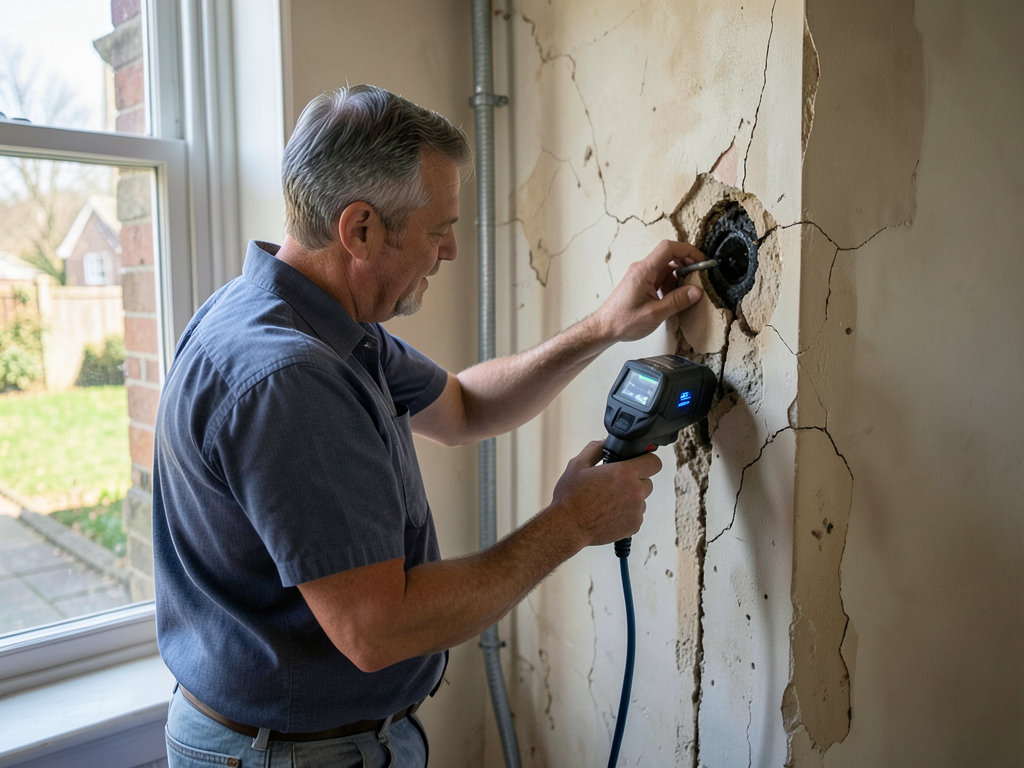
Schedule a professional pressure test to identify leaks inside walls and under slabs. Use thermal imaging during heating season to spot temperature anomalies that indicate hidden water movement. Replace worn valve stems, corroded supply lines, and deteriorated washers before minor drips become major failures. Buffalo's temperature extremes accelerate wear on rubber and plastic components. Address small leaks immediately rather than waiting for visible water damage.
03

Behavioral Changes and Monitoring

Install a smart water monitor that tracks real-time consumption and sends alerts when usage patterns change unexpectedly. Run dishwashers and washing machines only with full loads. Turn off taps while brushing teeth or scrubbing dishes. Reduce shower time by two minutes to save 20 gallons per day. These behavioral adjustments cost nothing but require consistency. Track your water bill monthly to measure progress and identify seasonal spikes that indicate problems.

Why Buffalo Residents Trust Local Expertise for Water Conservation Solutions

Buffalo's plumbing challenges are different from those in newer cities with modern infrastructure. Many homes in Elmwood Village, Allentown, and the West Side feature galvanized steel pipes installed 70 to 100 years ago. These pipes develop internal corrosion that reduces flow and increases pressure requirements. Generic water saving advice ignores the reality of aging supply lines that need professional assessment before you make fixture changes.

Local plumbers understand how Buffalo's water chemistry affects your home. Lake Erie water contains dissolved minerals that create scale buildup inside water heaters, on aerator screens, and around valve seats. This scaling reduces fixture efficiency and increases water waste over time. A plumber familiar with Buffalo's water profile can recommend the right filters and maintenance schedule to prevent these problems.

Patriot Plumbing Buffalo knows how to winterize outdoor plumbing to prevent the waste that comes from freeze damage. We understand which pipe materials perform best in Buffalo's climate and how to route supply lines to minimize exposure to exterior walls. When you need water efficiency strategies that account for local conditions, you need someone who has worked on hundreds of Buffalo homes.

We also understand local building codes and permit requirements for significant plumbing modifications. Installing a greywater system or replacing your main water line requires coordination with the city. Working with a local contractor who knows these processes saves time and prevents compliance issues. National chains send technicians who have never dealt with Buffalo's specific regulations or infrastructure challenges.

What to Expect When You Commit to Water Efficiency in Your Buffalo Home

Immediate Savings Timeline

You will see lower water bills within the first billing cycle after implementing basic water saving techniques. Replacing flappers, fixing dripping faucets, and installing aerators takes a few hours but reduces consumption by 15 to 25 percent immediately. Larger investments like toilet replacement show returns within 18 to 24 months. Track your baseline consumption before making changes so you can measure actual savings. Most Buffalo homeowners reduce monthly water and sewer costs by 30 to 40 dollars after completing a comprehensive efficiency upgrade.

Professional Water Assessment Process

A thorough water audit starts with reviewing your consumption history to identify unusual patterns. The plumber inspects every fixture, tests water pressure at multiple points, and checks for hidden leaks using acoustic equipment and moisture meters. You receive a written report that prioritizes problems by severity and cost to fix. The assessment includes specific product recommendations compatible with Buffalo's water conditions. This evaluation takes two to three hours and provides a clear roadmap for reducing consumption based on your home's actual needs, not generic advice.

Measurable Consumption Reduction

Expect your household water use to drop from the Buffalo average of 7,000 gallons per month to around 5,000 gallons after implementing recommended changes. High-efficiency toilets alone save 15,000 gallons annually for a family of four. Low-flow showerheads reduce hot water consumption, which also lowers your natural gas bill. The cumulative effect of multiple small improvements creates significant savings. You will notice reduced strain on your water heater, fewer clogs from mineral buildup, and lower sewage costs since those charges are based on water consumption.

Ongoing Maintenance Support

Water efficiency requires occasional maintenance to sustain performance. Aerator screens need cleaning every six months to remove mineral deposits. Toilet flappers should be inspected annually and replaced when rubber becomes brittle. Water heaters benefit from annual flushing to remove sediment that reduces efficiency. Many Buffalo plumbing companies offer maintenance plans that include these routine tasks plus priority service if problems develop. Regular maintenance prevents the gradual efficiency loss that occurs as fixtures age. It also catches small problems before they become expensive repairs.

Frequently Asked Questions

You Have Questions,
We Have Answers

What are the 10 ways to conserve water? +

Fix dripping faucets immediately. Install low-flow showerheads and faucet aerators. Run dishwashers and washing machines only with full loads. Turn off the tap while brushing teeth or soaping dishes. Take shorter showers, aiming for five minutes or less. Upgrade to WaterSense-labeled toilets, which use 20% less water. Water your lawn early morning to reduce evaporation. Insulate hot water pipes to reduce wait time for warm water. Collect cold water while waiting for hot water and use it for plants. Check your water meter regularly to detect hidden leaks in your Buffalo home.

What are 7 ways to conserve water? +

Install water-efficient fixtures like low-flow showerheads and dual-flush toilets. Fix leaky faucets and running toilets quickly, as Buffalo's mineral-rich water can accelerate wear on washers. Run full loads in dishwashers and washing machines. Turn off taps while brushing teeth or scrubbing dishes. Take shorter showers to cut hot water use during Buffalo's cold months. Use a broom instead of a hose to clean driveways and sidewalks. Water plants during cooler morning hours to minimize evaporation. These simple changes reduce both water consumption and utility bills without sacrificing comfort.

What are 20 ways to conserve water? +

Focus on high-impact changes rather than memorizing a long list. Install low-flow fixtures throughout your Buffalo home. Fix all leaks promptly. Run appliances only with full loads. Turn off taps when not actively using water. Take shorter showers. Insulate pipes to reduce water waste while waiting for hot water. Use a rain barrel to collect runoff for garden watering. Choose native plants that tolerate Buffalo's climate without excessive irrigation. Sweep instead of hosing outdoor areas. Check your meter monthly for hidden leaks. These core strategies deliver the biggest water savings.

What are the 5 R's of water conservation? +

The 5 R's of water conservation are Reduce, Reuse, Recycle, Repair, and Rethink. Reduce consumption by installing efficient fixtures. Reuse greywater from sinks or showers for outdoor irrigation where local codes permit. Recycle water through systems like rain barrels, which capture Buffalo's average 40 inches of annual precipitation. Repair leaks immediately, as freeze-thaw cycles can worsen pipe damage in older Buffalo homes. Rethink habits like leaving taps running or overwatering lawns. This framework helps Buffalo residents make smarter water choices that lower bills and protect Lake Erie's watershed.

What are 100 ways to save water? +

You do not need 100 separate tips to conserve water effectively. Focus on proven strategies that deliver real results in Buffalo homes. Install water-efficient fixtures like low-flow showerheads and WaterSense toilets. Fix leaks promptly. Run full loads in appliances. Take shorter showers. Turn off taps while brushing teeth. Insulate hot water pipes. Water lawns early morning. Use rain barrels for garden irrigation. Check your meter monthly. These core actions reduce consumption by 20-30% without lifestyle disruption. Master these fundamentals before chasing minor optimizations that yield minimal savings.

What are 8 ways to conserve water? +

Fix all leaky faucets and running toilets immediately. Install low-flow showerheads to cut shower water use by 30-40%. Run dishwashers and washing machines with full loads only. Turn off the tap while brushing teeth, shaving, or washing dishes. Take shorter showers, reducing time from 10 minutes to five. Upgrade to WaterSense-labeled toilets that use 1.28 gallons per flush instead of older 3.5-gallon models. Water outdoor plants early morning to reduce evaporation losses. Check your water meter before and after a two-hour period when no water is used to detect hidden leaks.

How to save water 30 ways? +

Prioritize fixture upgrades and leak repairs over minor behavior tweaks. Install low-flow showerheads, faucet aerators, and dual-flush toilets. Fix dripping faucets and running toilets. Insulate hot water pipes to reduce wait time. Run appliances with full loads only. Take five-minute showers. Turn off taps when not actively using water. Water lawns during early morning hours. Use rain barrels to capture Buffalo's rainfall for gardens. Sweep driveways instead of hosing. Check for leaks monthly using your water meter. These strategies deliver measurable savings without requiring extensive lifestyle changes in your Buffalo home.

How can we save water 50 ways? +

You achieve the best results by focusing on high-impact strategies rather than collecting dozens of small tips. Install water-efficient fixtures throughout your Buffalo home, including low-flow showerheads, faucet aerators, and WaterSense toilets. Fix all leaks immediately. Run full appliance loads only. Take shorter showers. Turn off taps when brushing teeth or washing dishes. Insulate pipes. Water plants during cooler hours. Use rain barrels for outdoor watering. Check your meter regularly. These core methods reduce consumption by 25-35%. Master these fundamentals before exploring minor optimizations that yield diminishing returns.

What are 5 ways to reduce water usage? +

Install low-flow showerheads and faucet aerators to reduce flow rates without losing water pressure. Fix leaking faucets and toilets immediately, as a running toilet can waste 200 gallons daily. Run dishwashers and washing machines only with full loads to maximize efficiency per cycle. Take shorter showers, cutting time from 10 minutes to five. Upgrade to WaterSense-labeled toilets that use 1.28 gallons per flush compared to older 3.5-gallon models common in Buffalo's older housing stock. These changes can reduce household water use by 20-30% while lowering utility bills year-round.

What are 5 methods of water conservation? +

Fixture upgrades are the most effective method. Install low-flow showerheads, faucet aerators, and dual-flush toilets to cut consumption permanently. Leak detection and repair prevents waste, especially important in Buffalo's older homes where freeze-thaw cycles stress plumbing. Efficient irrigation practices, like watering during early morning hours and using rain barrels, reduce outdoor waste. Appliance efficiency through running full loads maximizes water use per cycle. Behavioral changes like shorter showers and turning off taps while brushing teeth complement these hardware upgrades. Combined, these methods reduce household consumption by 25-40% without sacrificing comfort.

How Buffalo's Lake Erie Water Supply and Aging Pipes Make Conservation Critical

Buffalo draws water from Lake Erie through the Sturgeon Point intake, treating and distributing it through a network of pipes that includes infrastructure over a century old. The city invests millions annually to replace failing water mains, but the work progresses slowly. When you reduce consumption, you decrease pressure demands on this aging system. Lower pressure means fewer main breaks, less water loss from leaks, and reduced treatment costs. Buffalo's combined sewer system also benefits from conservation. During heavy rain, stormwater and sewage flow through the same pipes. Lower baseline water use increases the system's capacity to handle stormwater without overflows into local waterways.

Choosing a Buffalo-based plumber for water efficiency upgrades ensures you work with professionals who understand local challenges. We know which neighborhoods have low water pressure that makes certain low-flow fixtures perform poorly. We understand how to balance conservation with the need to prevent frozen pipes during January cold snaps. Our technicians recognize the plumbing configurations common in Buffalo's historic housing stock, from balloon-frame construction to cast iron waste stacks. This local knowledge prevents the costly mistakes that occur when out-of-town contractors apply generic solutions to Buffalo's specific conditions.
Plumbing Services in The Buffalo Area

We are proud to serve our community and invite you to explore our service area. Whether you need a quick repair or a major installation, our team is ready to assist you. Our commitment extends throughout the region, ensuring every home and business has access to top-tier plumbing services. We look forward to being your trusted local partner and demonstrating why we are the right choice for all your plumbing needs.

Address:
Patriot Plumbing Buffalo, 737 Delaware Ave, Buffalo, NY, 14209

Additional Services We Offer

Our news updates

Latest Articles & News from The Blogs

The Ultimate Plumbing Inspection Checklist for Parkside Home Buyers Buying a home in Parkside means investing in one of Buffalo’s…

The Ultimate Plumbing Inspection Checklist for Parkside Home Buyers

The Ultimate Plumbing Inspection Checklist for Parkside Home Buyers Buying a home in Parkside means investing in one of Buffalo’s…

How to Stop Your Depew Basement Floor Drain from Backing Up

How to Stop Your Depew Basement Floor Drain from Backing Up When sewage or water starts rising from your basement…

Maintaining the Historic Radiator and Boiler Systems in Buffalo University District Homes

Maintaining the Historic Radiator and Boiler Systems in Buffalo University District Homes \n\n The University District’s century-old radiator systems face…

Contact Us

Call Patriot Plumbing Buffalo at (716) 317-6655 for a comprehensive water efficiency assessment. We will identify your biggest consumption problems and provide clear solutions that work with your budget and your home's existing plumbing. Stop wasting water and money.