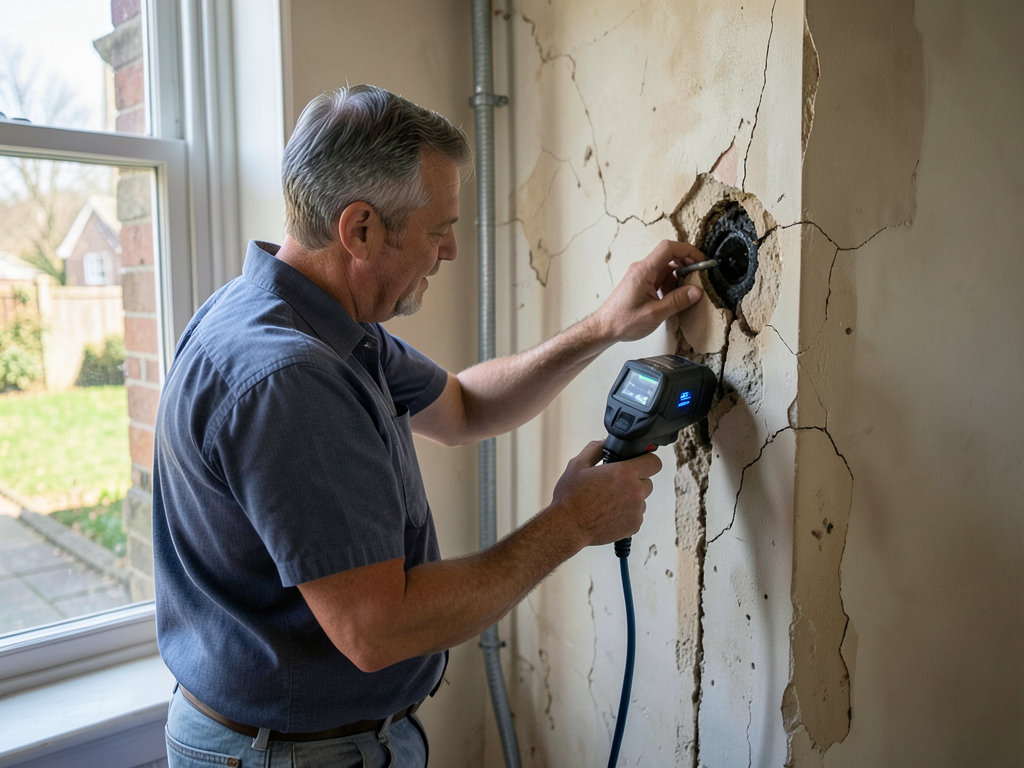
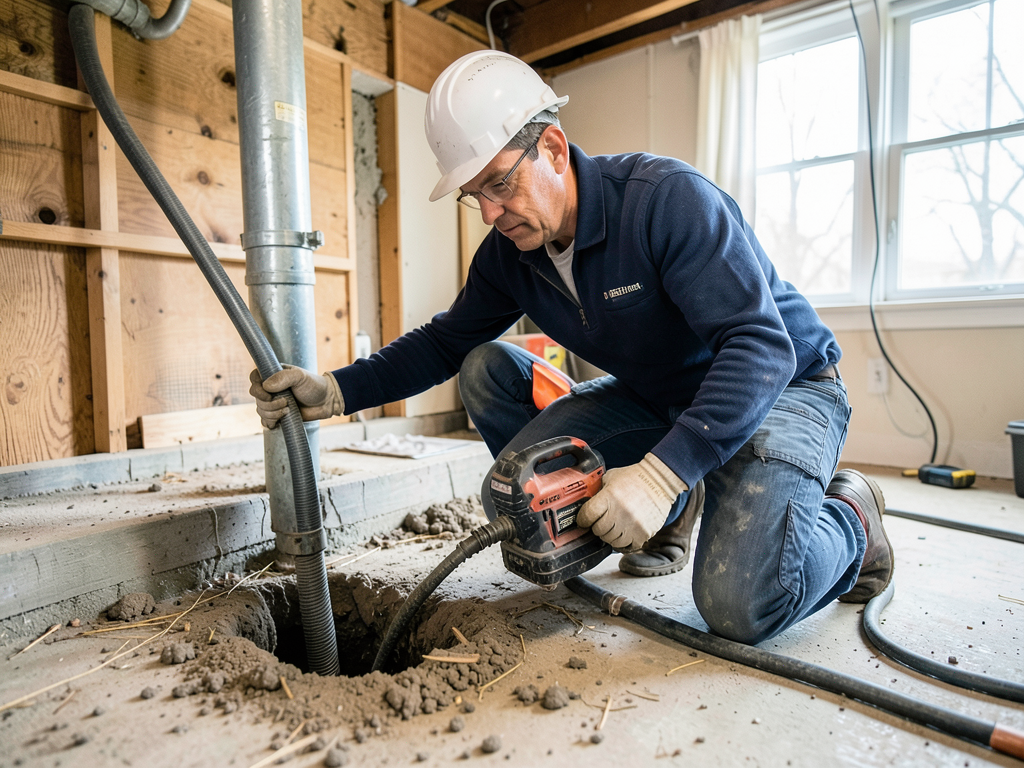
Buffalo experiences an average of 45 freeze-thaw events each winter. When soil moisture freezes, it expands with enough force to crack concrete and shift pipe joints. Older cast iron sewer lines installed before 1970 have compression joints sealed with oakum and lead. These joints separate when frost heaves lift one section while the adjoining section remains frozen in place. Water mains buried at 5-foot depth escape the worst frost damage, but service lines running from the main to your home often sit shallower where freeze-thaw cycles cause repeated stress. The pooling water you see in summer often results from damage that occurred during the previous winter.
Buffalo Sewer Authority regulations require specific materials and installation depths for all underground plumbing repairs. We maintain current permits and follow municipal inspection protocols that protect your investment. Local inspectors recognize our work and trust our testing methods. This matters when you need emergency repairs approved quickly or when selling your home and buyers request documentation of compliant plumbing systems. Choosing a contractor familiar with Buffalo's codes and inspection requirements prevents delays and ensures your repair passes scrutiny during property transactions.