Menu

Whole Home Repiping in Buffalo – Complete Plumbing System Replacement for Homes Built Before 1980

Patriot Plumbing Buffalo replaces corroded galvanized pipe, failing copper lines, and outdated plumbing systems in pre-1980 Buffalo homes where freeze-thaw cycles and water chemistry accelerate pipe deterioration.

Slider Image 1
Slider Image 2
Slider Image 3
Slider Image 4
Slider Image 5
Slider Image 7
Slider Image 8
Slider Image 9
Slider Image 10
Slider Image 11

Buffalo's Aging Housing Stock Creates a Ticking Time Bomb in Your Walls

Buffalo's housing stock is old. Over 60% of homes were built before 1960, and thousands still run on original galvanized steel or early copper piping. The Great Lakes climate hammers these systems year after year. Freeze-thaw cycles expand and contract pipes. High mineral content in Buffalo's water supply corrodes metal from the inside out. The result is discolored water, low pressure, pinhole leaks, and eventual catastrophic failure.

You notice rust stains in the sink. The shower pressure drops to a trickle. A pipe bursts in the basement during a January cold snap. These are not isolated incidents. They are symptoms of systemic failure in your home's circulatory system.

House repiping is not a patch job. You cannot solve a whole-system problem with localized fixes. When galvanized pipes corrode, the entire run is compromised. When copper develops pinhole leaks in one area, the same water chemistry is attacking pipe throughout the house. A full home repiping removes the failing infrastructure and replaces it with modern materials designed to withstand Buffalo's water conditions and temperature extremes.

Replumbing a house means tearing into walls, accessing crawl spaces, and coordinating with your daily life. But it also means you stop hemorrhaging money on emergency plumbers, water damage repairs, and skyrocketing water bills from hidden leaks. Whole house pipe replacement is the permanent fix for homes where the plumbing has outlived its useful life.

Buffalo's Aging Housing Stock Creates a Ticking Time Bomb in Your Walls
How Whole House Repipe Projects Actually Work in Buffalo Homes

How Whole House Repipe Projects Actually Work in Buffalo Homes

A whole house repipe is not a one-day job. It requires planning, precision, and an understanding of how Buffalo homes are built. Pre-war homes have plaster walls and balloon framing. Post-war ranches have slab-on-grade construction or tight crawl spaces. Each requires a different approach.

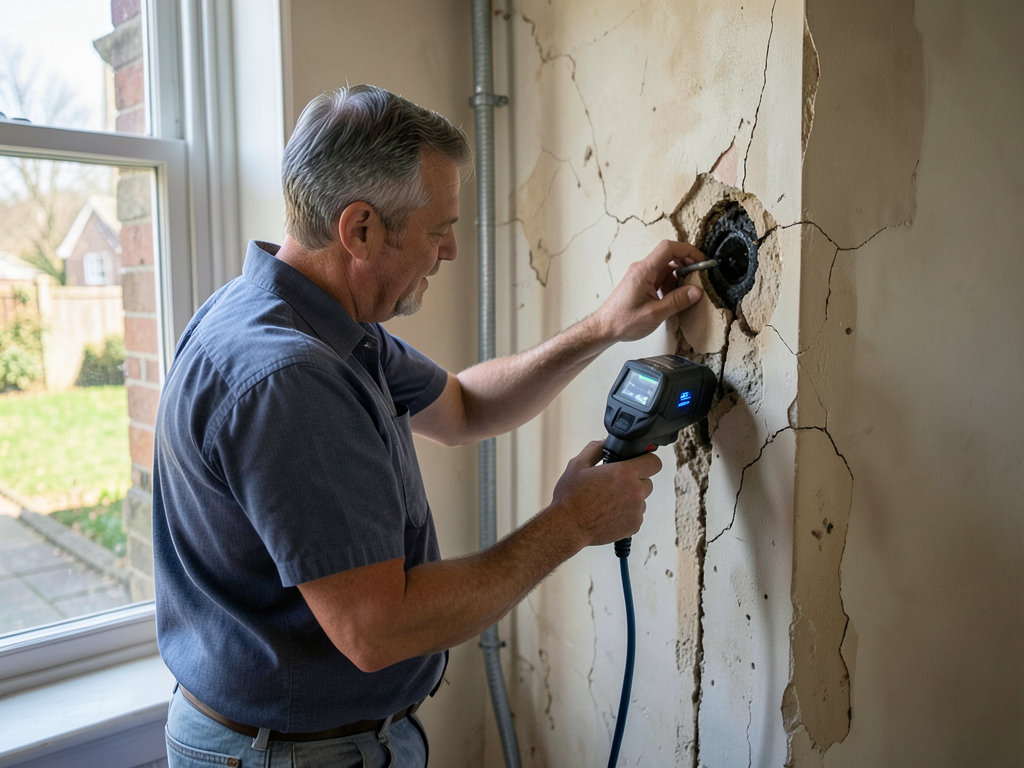
We start with a full system assessment. We map your existing plumbing layout, identify the pipe material, test water pressure at multiple fixtures, and use thermal imaging to locate hidden leaks. This diagnostic phase tells us whether you need a complete replumbing or a targeted replacement of the worst sections.

For a full home repiping, we run new supply lines from the main shutoff to every fixture in the house. We use cross-linked polyethylene (PEX) for supply lines in most Buffalo homes because it resists freeze damage better than rigid copper and does not corrode. In homes with high water pressure or where code requires, we use Type L copper. We replace galvanized drain lines with schedule 40 PVC, which will not rust or clog with sediment.

We work section by section to minimize disruption. We isolate zones so you maintain partial water access during the project. We patch and paint walls after access points are closed. We coordinate inspections with the City of Buffalo Department of Permit and Inspection Services to ensure compliance with local plumbing code.

Patriot Plumbing Buffalo does not subcontract this work. Our plumbers handle the entire scope, from demolition to final pressure testing. You get consistency, accountability, and a system that works the day we finish.

What Happens During Your Buffalo Home Repipe

Whole Home Repiping in Buffalo – Complete Plumbing System Replacement for Homes Built Before 1980
01

System Mapping and Material Analysis

We document your existing plumbing layout and test water quality to determine the correct replacement materials. Homes with high chlorine or acidic water require different pipe than homes on well systems. We use a borescope to inspect inside walls without unnecessary demolition. This step prevents surprises and ensures we order the correct materials before work begins.
02

Sequential Zone Replacement

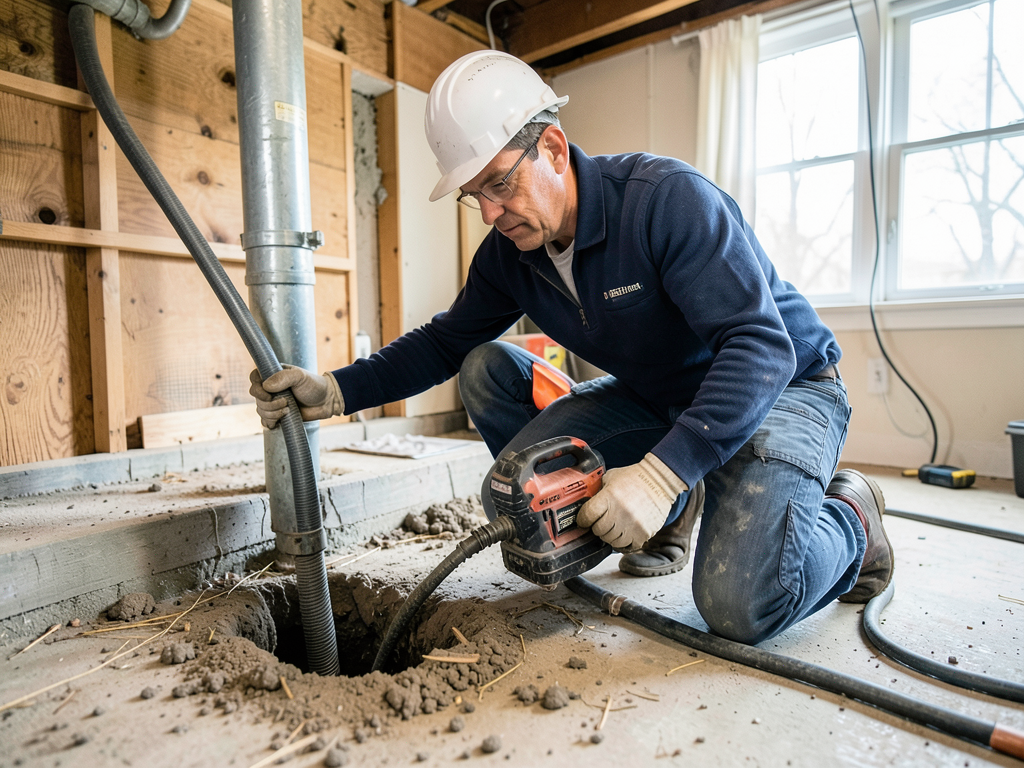
We replace plumbing in isolated zones so you maintain access to water and working fixtures. We open walls at studs to minimize drywall damage, run new supply and drain lines, then pressure test each section before closing walls. We work floor by floor in multi-story homes and room by room in ranches. This phased approach keeps disruption manageable and ensures each section is completed correctly before moving forward.
03

Final Pressure Testing and Inspection

Once all new pipe is installed, we conduct a full-system pressure test at 150 PSI to verify there are no leaks or weak joints. We coordinate the final inspection with the City of Buffalo. After approval, we restore walls, clean the work area, and walk you through your new system. You get documentation of all work, including material specs and pressure test results.

Why Buffalo Homeowners Choose Patriot Plumbing for Whole Home Repiping

Whole house repiping is invasive, expensive, and disruptive. You need a plumber who understands Buffalo's building stock, climate challenges, and local code requirements. Patriot Plumbing Buffalo has repiped hundreds of homes across the Elmwood Village, North Buffalo, and South Buffalo neighborhoods. We know how to navigate knob-and-tube wiring in century homes, work around asbestos pipe insulation in mid-century ranches, and access plumbing in finished basements without destroying your rec room.

We understand Buffalo's water. The Buffalo Water system sources from Lake Erie and treats it with chlorine and orthophosphate. This chemistry is hard on copper pipe in homes with low pH or high flow velocity. We select materials that resist corrosion specific to Buffalo's water profile. If you are on a well system in Orchard Park or Clarence, we test your water and adjust material selection accordingly.

We pull permits and coordinate inspections. The City of Buffalo requires permits for whole house repipe projects, and inspections must occur before walls are closed. We handle this process. You do not need to navigate city departments or wait weeks for scheduling. We know the inspectors, we know the code, and we get it done right the first time.

We protect your home during the project. We use dust barriers, floor protection, and HEPA filtration when cutting into old plaster walls. We do not leave your house torn apart overnight. At the end of each day, you have water, working fixtures, and a clean work area.

Patriot Plumbing Buffalo does not upsell you on services you do not need. If your drains are fine and only the supply lines need replacement, we tell you. If a partial repipe solves your problem, we give you that option. We provide a detailed scope of work and a fixed price before we start.

What to Expect When You Replumb Your Buffalo Home

Project Timeline and Access

A whole house repipe in a typical Buffalo single-family home takes five to ten days, depending on square footage, number of fixtures, and accessibility. We provide a detailed schedule before work begins so you can plan around disruptions. You will have limited water access during active work hours, but we restore partial function each evening. We do not leave your home without working toilets and a functional kitchen sink. Multi-story homes take longer than ranch layouts. Homes with finished basements or inaccessible crawl spaces require more demolition and add time.

Initial Assessment and Scope Definition

We conduct a full walkthrough of your home and inspect every fixture, valve, and access point. We test static and dynamic water pressure, measure flow rates, and inspect visible pipe for corrosion or damage. We use thermal imaging to locate hidden leaks and moisture damage. We open a small exploratory access point to confirm pipe material and condition. This assessment determines whether you need a full replumbing or a targeted replacement of the worst sections. You get a written scope of work, a material list, and a fixed price.

The Completed Plumbing System

When we finish, you have a plumbing system that will outlast you. PEX supply lines are rated for 50-plus years and resist freeze damage, corrosion, and scale buildup. New shut-off valves at every fixture let you isolate problems without killing water to the whole house. Pressure-tested joints eliminate the slow leaks that rot framing and grow mold. You get consistent water pressure at every tap, no more rust stains, and no more emergency calls when a pipe bursts in January. Your water bill drops because you are not losing gallons per day to pinhole leaks you cannot see.

Post-Installation Support and Documentation

We provide you with a complete material list, pressure test results, and photos of the installation before walls are closed. You get a service record that documents the work for future buyers. If you experience any issues with the installation, we return and make it right. We do not offer vague lifetime warranties or marketing gimmicks, but we stand behind our workmanship. If a joint leaks or a fitting fails due to installation error, we fix it at no cost. You also get guidance on maintaining your new system and recommendations for water treatment if your supply has high mineral content or acidity.

Frequently Asked Questions

You Have Questions,
We Have Answers

How much does it cost to repipe a whole house? +

Whole home repiping costs depend on your home's size, pipe material (copper versus PEX), and wall access. A typical Buffalo single-family home ranges widely based on square footage and whether you have galvanized steel or polybutylene pipes. Factors include the number of bathrooms, stories, and whether you need drywall repair afterward. Copper costs more upfront but lasts decades in Buffalo's freeze-thaw climate. PEX offers flexibility and faster installation. Get a detailed inspection first. Costs vary between neighborhoods due to home age and pipe conditions common in older Buffalo housing stock.

How much does plumbing cost for a 2000 sq ft house? +

Plumbing installation for a 2000 square foot house depends on fixture count, pipe material, and layout complexity. A new build requires drain lines, supply lines, vents, and connections to the municipal water main. Buffalo homes often need deeper frost protection for exterior lines due to winter ground freezing. Bathroom and kitchen count matters most. Homes with basements require additional vertical runs. Older Buffalo neighborhoods with clay soil may need specialized foundation penetration methods. Repipe projects cost less than new construction but still require wall access and fixture reconnection.

What is the 135 rule for plumbing? +

The 135 rule applies to drain pipe slope. Install horizontal drain lines at one-quarter inch drop per foot of run. A 12-foot drain run drops three inches from start to finish. This slope prevents standing water and ensures waste flows properly without clogging. Too steep causes liquids to rush ahead, leaving solids behind. Too flat allows water to pool and sediment to collect. Buffalo plumbers follow this code requirement for all horizontal waste lines to prevent freeze blockages in unheated crawl spaces and basement runs during harsh winters.

Is it worth it to repipe your house? +

Repiping is worth it if you have frequent leaks, low water pressure, discolored water, or galvanized steel pipes over 50 years old. Buffalo homes built before 1970 often have outdated piping that corrodes from inside. New pipes prevent water damage, improve pressure, and eliminate rust contamination. You avoid emergency repairs and potential flooding damage to finished basements common in Buffalo homes. Modern PEX or copper systems last 50-plus years with minimal maintenance. Factor in potential home value increase and lower insurance premiums when weighing the investment.

Does repiping lower insurance? +

Repiping can lower homeowner insurance premiums, especially if you replace outdated galvanized steel or polybutylene pipes. Buffalo insurers view old piping as high-risk for water damage claims. Provide your insurance company with documentation showing new copper or PEX installation, inspection reports, and permits. Some carriers offer discounts for whole-home updates that reduce claim likelihood. Older Buffalo homes with original plumbing face higher premiums due to leak risk. New pipes demonstrate proactive maintenance. Contact your agent after completion with contractor invoices and code compliance certificates to request a rate review.

What is the most expensive plumbing job? +

Whole home repiping ranks among the most expensive plumbing jobs due to labor intensity and material costs. Replacing every supply line requires opening walls, ceilings, and floors throughout your home. Buffalo homes with plaster walls add complexity compared to drywall. Sewer line replacement also costs significantly, especially when excavating under driveways or navigating deep frost lines. Commercial projects exceed residential costs. Bathroom additions requiring new drain stacks through multiple floors also run high. Emergency repairs after pipe bursts cost more due to water damage remediation and urgent scheduling demands.

Is plumbing the most expensive part of a house? +

Plumbing represents a significant house cost but not typically the most expensive component. Foundation, framing, and roofing usually cost more in new construction. Plumbing accounts for roughly 10-15 percent of total building costs. In Buffalo remodels, plumbing can become costly when updating older homes with cast iron stacks or galvanized supply lines behind finished walls. Kitchen and bathroom renovations drive plumbing expenses higher than other rooms. Homes requiring sewer line replacement or sump pump systems due to high water tables face additional costs beyond standard installation.

What are common hidden plumbing costs? +

Hidden plumbing costs include wall and ceiling repair after accessing pipes, permit fees, and unforeseen conditions like asbestos pipe wrap in older Buffalo homes. You may need temporary water service shutoffs, fixture replacement if valves break during work, or subfloor repair from long-term leaks. Buffalo homes often reveal corroded fittings or outdated electrical grounding through plumbing that requires updates. Lead service line replacement from street to home adds expense in older neighborhoods. Mold remediation after discovering hidden leaks behind walls increases project scope and cost significantly.

How do plumbers determine pricing? +

Plumbers price jobs based on labor hours, material costs, job complexity, and overhead expenses. Flat-rate pricing quotes the total upfront, while hourly billing charges for time spent. Complex jobs like repiping require home inspections to assess pipe access, material quantities, and wall restoration needs. Buffalo plumbers factor in permit costs, disposal fees for old materials, and travel time between service areas. Emergency calls cost more due to after-hours premiums. Licensed plumbers charge higher rates than unlicensed workers but provide insurance coverage, code compliance, and warranty protection.

How deep are residential sewer lines buried? +

Residential sewer lines in Buffalo are buried below the frost line, typically 42 to 48 inches deep, to prevent winter freezing. Depth varies based on soil conditions, property slope, and connection point to the municipal main. Clay soil common in Buffalo neighborhoods may require deeper placement in low-lying areas prone to groundwater intrusion. Lines slope downward from home to street at one-quarter inch per foot. Older Buffalo homes may have shallower lines installed before current code requirements, increasing freeze risk. Always call 811 before digging to locate underground utilities.

How Buffalo's Freeze-Thaw Cycles and Water Chemistry Destroy Plumbing Faster Than Other Cities

Buffalo averages 25 freeze-thaw cycles per winter. Water expands when it freezes, and this expansion cracks solder joints, stresses pipe walls, and accelerates corrosion at weak points. Homes with inadequate insulation in exterior walls or unheated crawl spaces see repeated freeze events that compound damage year after year. Buffalo's water supply is treated with chlorine and orthophosphate, which prevents lead leaching but accelerates pitting corrosion in older copper pipe, especially in homes with high flow velocity or low pH. Galvanized steel pipe, common in pre-1960 homes, corrodes from the inside out as zinc coating deteriorates. The combination of aggressive water chemistry and extreme temperature swings makes Buffalo one of the hardest environments for residential plumbing.

Patriot Plumbing Buffalo works exclusively in Erie County and understands the plumbing challenges specific to this region. We know which neighborhoods have homes on concrete slabs versus crawl spaces. We know where the original plumbing was installed by union shops in the 1940s and where it was done by cheap builders in the 1970s. We know how to navigate City of Buffalo permit requirements and schedule inspections without delays. When you hire a plumber who operates in ten counties, you get generic solutions. When you hire a plumber who focuses on Buffalo, you get expertise tailored to your home's exact conditions.
Plumbing Services in The Buffalo Area

We are proud to serve our community and invite you to explore our service area. Whether you need a quick repair or a major installation, our team is ready to assist you. Our commitment extends throughout the region, ensuring every home and business has access to top-tier plumbing services. We look forward to being your trusted local partner and demonstrating why we are the right choice for all your plumbing needs.

Address:
Patriot Plumbing Buffalo, 737 Delaware Ave, Buffalo, NY, 14209

Additional Services We Offer

Our news updates

Latest Articles & News from The Blogs

The Ultimate Plumbing Inspection Checklist for Parkside Home Buyers Buying a home in Parkside means investing in one of Buffalo’s…

The Ultimate Plumbing Inspection Checklist for Parkside Home Buyers

The Ultimate Plumbing Inspection Checklist for Parkside Home Buyers Buying a home in Parkside means investing in one of Buffalo’s…

How to Stop Your Depew Basement Floor Drain from Backing Up

How to Stop Your Depew Basement Floor Drain from Backing Up When sewage or water starts rising from your basement…

Maintaining the Historic Radiator and Boiler Systems in Buffalo University District Homes

Maintaining the Historic Radiator and Boiler Systems in Buffalo University District Homes \n\n The University District’s century-old radiator systems face…

Contact Us

If your home was built before 1980 and you are dealing with low water pressure, discolored water, or repeated leaks, your plumbing system is failing. Call Patriot Plumbing Buffalo at (716) 317-6655 to schedule a full system assessment and get a fixed-price quote for whole house repiping.